A Photograph (Poem)
– Shirley Toulson
Content
| Padding transient |
Now look up the dictionary to see if your inference is right.
Paddling: To move a boat by means of paddles.
Transient: Something that stays at a place for a short time-period.
‘Cardboard’ refers to the photograph only. This word has been used because photograph it lost it colur and also clarity of its images.
2. What has the camera captured?
Answer
The camera has captured some happy moments from the childhood of the poet’s mother. It was a scene taken from a beach where she had gone with her cousins and her uncle for a sea holiday. The girls were paddling in the water.
3. What has not changed over the years? Does this suggest something to you?
Answer
The sea has not changed over the years. It is still the same. The sea symbolizes eternity.
4. The poet’s mother laughed at the snapshot. What did this laugh indicate?
Answer
This laugh indicates her remembering her past. She looked back to her childhood with nostalgia and remembered the innocent joys of her childhood days.
5. What is the meaning of the line “Both wry with the laboured ease of loss”.
Answer
The line refers to the sea holiday as remembered by her mother and the poet remembering her mother’s laughing face. Both these now belong to the past. Her mother is no more now.
6. What does “this circumstance” refer to?
Answer
‘This circumstance’ refers to the present situation of the poet wherein the poet is absorbed in the painful memory of her dead mother. Looking at the photograph and thinking of her mother’s laughter, the poet also realises that it has been the same number of years since her mother died as her mother’s age in the photograph.
Content
यह कविता 19 लाइन का हैं जिसमे कोई stanza नहीं हैं बल्कि meaningful segments हैं जो इस कविता को आसानी से समझने के लिए बनाया गया हैं। ये कविता first person के हिसाब से बनाया गया हैं जिसका ये मतलब हैं की कवियत्री अपने से बात कर रही हैं।
Lines 1 – 4:
The cardboard shows me how it was
When the two girl cousins went paddling
Each one holding one of my mother’s hands,
And she the big girl – some twelve years or so.
इन पंक्तियों में, कवियत्री एक फोटो एलबम की ओर देखता है। वह फोटो एल्बम कार्डबोड का बना हुआ था। उस फोटो एल्बम में एक फोटो की तरफ देखता है। इस फोटो में तीन लड़कियाँ होती हैं। सबसे लम्बी एवं बड़ी लड़की बिच में कड़ी हुई थी जबकि दो छोटी लड़किया उसके अगल बगल उसके हाथ पकड़ के खड़ी हुई थी। कवियत्री के अनुसार बिच वाली लड़की उसकी माँ की फोटो है और अगल बगल माँ की बहने हैं। जब यह फोटो लिया गया था उस वक्त कवियत्री के अनुसार उनकी माँ की उम्र 12 साल के लगभग होगी। और यह फोटो उस दिन लिया गया था जब वे समुद्र तट पर घूमने गई थी।
Lines 5 – 9:
All three stood still to smile through their hair
At the uncle with the camera, A sweet face
My mother’s, that was before I was born
And the sea, which appears to have changed less
Washed their terribly transient feet.
इन पंक्तियों में कवियत्री उस समय के बारे में और भी विस्तार से बताती है जब उनकी माँ और उसकी बहनो का फोटो लिया गया था। कवियत्री के अनुसार ये फोटो उनकी माँ के uncle ने लिया था। उन्होंने तीनो लड़कियों को पोज़ देने बोला होगा और लड़कियों ने वैसा ही किया होगा। तीनो लड़कियों ने अपने भीगे ज़ुल्फो को खुला रखा था जिससे उनके चेहरे की कुछ भाग ढक जा रहे थे। यधपि की बालो से उनका चहेरा ढक जा रहा था लेकिन इसके बाद में उनका मुस्कुराना साफ़ नजर आ रहा था। उनके हस्ते हुए चेहरों में से एक चहेरे ने कवियत्री की ध्यान को खींचा था। वो उनकी माँ का चहेरा था जो कवियत्री के हिसाब से बहुत प्यारी थी। उनके हिसाब से ये फोटो उनके जन्म के बहुत पहले ली गई थी और इसी कारण वश अब उनकी माँ बहुत चेंज हो चुकी है जो की इस फोटो से नहीं मिलती है। लेकिन इसके विपरीत समुद्र जहां ये फोटो लिया गया था वो आज भी वैसा ही है उसमे उसमे अपेक्षाकृत कम बदलाव आया है। जिस समय यह फोटो लिया गया था उस समय समुद्र की लहरे बार कवियत्री की माँ और उनकी बहनो की पैरो को धो रही थी। कवि ने उन पैरो को अस्थाई बताया है क्युकि वो ज्यादा दिन तक वैसे नहीं रहे और सभी लड़किया बड़ी होगी। और इस तरह उनका बचपन ज्यादा दिन तक नहीं चल पाया।
Lines 10 – 13:
Some twenty- thirty- years later
She’d laugh at the snapshot. “See Betty
And Dolly,” she’d say, “and look how they
Dressed us for the beach.” The sea holiday
इन पंक्तियों में, कवित्री फोटोग्राफ को देखना बंद कर देती है और यह याद करती है कि उसकी मां ने तस्वीर के बारे में क्या कहा था। कवि यह सुनिश्चित नहीं कर पा रही है की यह तस्वीर कितनी पुरानी है, 20 साल या फिर 30 साल। लेकिन उन्हें अपनी माँ की कही हुई बात की उनकी बहने बचपन में कैसे दिखती थी यह याद है। कवित्री की माँ ने उन्हें ये भी बताया था की कैसे उनके माता पिता ने उन्हें उस दिन तैयार किया था घुमाने के लिए। उन्हें लगता है की उनके माता पिता ने पहले ही उनके फोटो लेने का निर्णय कर लिया होगा। इसलिए उन्हें इस तरह तैयार कराया गया था।
Lines 14 – 15:
was her past, mine is her laughter. Both wry
With the laboured ease of loss
कवियत्री बताती हैं की उनके माँ इन तस्वीरों को अतीत की यादो को फिर से जीने का एक जरिया समझती थी जो की पीछे छूट चूका था। दूसरे ओर कवियत्री अपने माँ के बारे में सोचती हैं की कैसे वो हस्ती थी और हर एक समय वो उनको याद करती हैं।दोनों महिलाएं ही एक तस्वीर को देख कर अपने बीतें हुआ कल को याद कर करती हैं जो उनको और वापस नहीं मिल सकता।
Lines 16 – 19:
Now she has been dead nearly as many years
As that girl lived. And of this circumstance
There is nothing to say at all,
Its silence silences.
इन पंकितयों में कवियत्री कहती हैं की उनके माँ को मरे हुआ 12 साल हो गए हैं और वो एकदम वही उम्र हैं जो उस फोटो में उनकी माँ के थे। वह अपने माँ के मृत्यु के बारे में सोच तो पा रही है लेकिन वो ये नहीं बता सकती की कैसे उनके माँ की मृत्यु ने उनके जीवन को प्रभावित किया। सच तो यह है की जिस मृत्यु के कारण उनकी माँ चुप हो गई हमेशा की लिए उसी कारण वश कवित्री के पास भी कोई शब्द नहीं रहे बोलने के लिए।
Content
A photograph describes 3 stages. In the first stage, the photograph shows the poet’s mother standing at the beach enjoying her holiday with her two girl cousins. She was 12 or so at that time. The second stage takes us twenty or thirty years later. The mother would laugh at the way she and her cousins Betty and Dolly were dressed up for each holiday. In the third stage, the poet remembers the mother with a heavy heart. The photograph revives a nostalgic feeling in the poet.
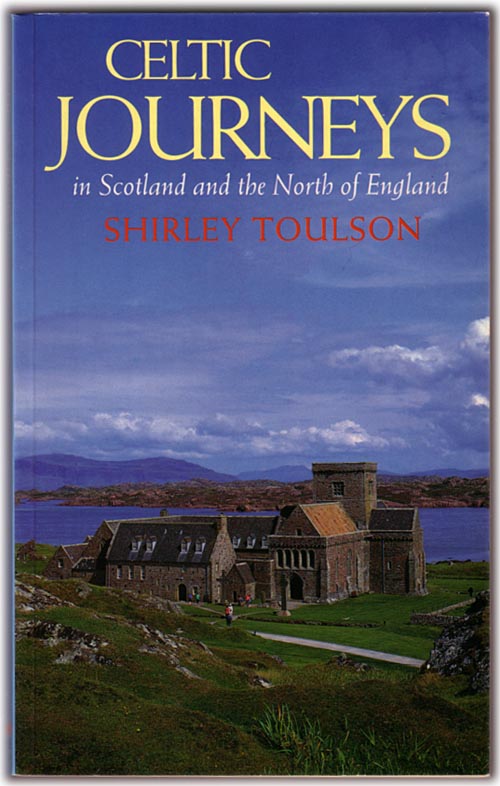 |
| A Book by Shirley Toulson |
The poet is looking at her mother’s photograph which is indeed an old one. With it she can see how her mother looked when she was a little girl of twelve. THe photo shows her on a beach with her two girl cousins ho are younger than her, holding her hand. It might have een windy at that time that their hair was flying on their faces when the uncle took the photograph. All the three as smiling through their flying hair. Looking at the photograph, the poet says that her mother had a sweet face, but it was a time before the poet was born. The sea was washing their feet. The poet says that the sea has changed only a little but change has come about who’s feet it was washing.
After 30 or 40 years, the mother would take out the photograph and take a look at it. By that time, she was married and had a daughter. She would laugh a little and says “Look at Betty and Dolly, see how they have dressed for the beach”. By now, she can only remember those days. A huge change has come about her and she is no longer that small innocent girl of twelve.
After some years, the poet’s mother dies. Now the poet remembers her mother’s laughter, for her, it is a thing of past.
That’s why she says “the sea holiday as her past and mine is her laughter”. Because just like the mother remembers her old days, now the poet can remember her in that way only. However, in course of time, the two of them learned to live with their losses. The pay of the losses had made a permanent impression in their wry faces. The poet says that her mother had been dead and no she feels herself in a situation that there is nothing to be said about but only emptiness. The silence of this situation silences her. In other words, she is left speechless. The fate has killed all the feelings in her.
Content
Summary of the Chapter The Portrait of a Lady in Hindi
कथाकार खुशवंत सिंह ने इस कथा में एक महिला का चित्रण किया है। ये महिला और कोई नहीं बल्कि उनकी दादी है. कथाकार जब एक अबोध बालक थे तब उनके माता -पिता उन्हें दादी के पास छोड़ कर शहर चले गए। कथाकार ने दादी का वर्णन करते हुए कहा की वो एक वृद्ध महिला थीं जिनकी मुख पर अनेक झुर्रिया थीं। वो मोटी और थोड़ी से झुकी हुई थीं। कथाकार केलिए ये मानना कठिन था की एक समय उनकी दादी एक जवान और खूबसूरत युवती रहीं होंगी, जैसा की उनके आसपास के लोगों का कहना था। कथाकार फिर अपनी दादी के साथ अपने सम्बन्ध के विषय में बताते हैं। कथाकार का अपने दादी का सम्बन्ध मैत्रीपूर्ण था। उनकी दादी उन्हें विद्यालय केलए प्रत्येक दिन तैयार करती थीं। उसके बाद उन्हें विद्यालय छोड़ने जाती थीं। विद्यालय के समीप एक मंदिर था जंहा वो धार्मिक पुस्तकों का अध्यन करती थीं। फिर दोनों घर चले जाते और गली के कुत्तों को रोटियां खिलाते थैं।
फिर एक दिन कथाकार के माता -पिता ने उन्हें और उनकी दादी को शहर बुला लिया। कथाकार ने इस घटना को अपने और दादी के मैत्रीपूर्ण सम्बंधों केलए मोड बिंदु कहा है। अब भी उनका और दादी का कमरा एक ही था पर अब दोनों मे बातें काम होती थीं। दादी जब कथाकार से उनके शहर के नए विद्यालय के पाठ्यक्रम बारे मे पूछते तो वे कहते आधुनिक विज्ञानं और अंग्रेज़ी साहित्य , जिसपे उनकी दादी दुखी होती की उन्है धार्मिक ग्रंथों की शिक्षा नहीं दी जाती थी | उन्हें इस बात पर भी आपत्ति होती की उन्हें संगीत की भी शिक्षा दी जाती है जिसे वो सभ्य पुरुष केलए उचित नहीं मानती थीं। अब दादी का समय पूजा पाठ मे बीतने लगा। वो पंछियों को दाना खिलाया करती थीं। ये समय उनके लिए दिन का सबसे पंसंदीदा समय हुआ करता था। जब कथाकार विश्यविद्यालय मे पढ़ने लगे तब उनका कमरा अलग हो गया और उनकी अपनी दादी से दोस्ती का नाता तटूट सा गया। उन्होंने हालात से समझौता कर लिया।
जब कथाकार ने विश्यविद्यालय की पढाई पूरी कर ली तब उन्होंने आगे की पढाई केलए विदेश जाने का निर्णय लिया। उनकी दादी इस बात से उदास थीं पैर उन्होंने अपनी भावनायों को नहीं दर्शया। वे उन्हें छोड़ने स्टेशन पर गयीं और कथाकार के माथे पर चुम्बन देके विदा किया। कथाकार ने इस स्पर्श को उनका अंतिम स्पर्श समझा। पर जब कथाकार घर वापस ए तो उनकी दादी उनका इंताजर कर रही थीं। उस दिन भी दादी ने अपना सबसे अच्छा वक़्त पंछियों के साथ बिताया। एक दिन के बात है, जब उन्होंने पूजा पाठ नहीं की बल्कि आस पडोश की महिलाओं के साथ एक फटा हुआ ढोल लेके भजन कृतं करने लगीं अर कई समय तक गाने गाये। एक दिन वो बीमार पड़ीं अर अपने अंतिम समय को अपने पास पाया। इस दौरान घरवलों के मना करने पर भी वो मन ही मन प्रार्थना करने लगीं जबकि घरवाले चाहते थे की वो उनसे बात करे। फिर उन्होंने शांतिपूर्ण तरीके से इस दुनिया से विदा लिया। उनका अंतिम संस्कार हुआ। घर वालों के अलावा वे पंछि भी उनके जाने से दुखी थीं। जब कथाकार की माता ने उन पंछियों को खाना दिया तो उन्होंने उसे स्वीकार नहीं किया।
Contents
Content’s
Democratic Rights Extra questions, Important exam Questions
Q.1. What was the background in which ethnic massacre took place in Kosovo?
Ans. Kosovo was a province of Yugosalvia before it split away. In this province the population was overwhelmingly ethnic Albanian. But in the entire country, Serbs were in majority. A narrowminded Serb nationalist, Milosevic, had won the election and became the President of Yugoslavia. His government was very hostile to the Kosovo Albanians. He wanted that ethnic minorities like Albanians should either leave the country or accept the dominance of the Serbs. The massacre was carried out by the army under the direction of the government.
Q.2. Explain what is meant by ‘Rule of Law’. [Important]
Ans. Rule of law means equality before the law or equal protection of the laws. It means that the laws apply in the same manner to all, regardless of a person’s status. Rule of law is the foundation of any democracy. It implies that no person is above the law. There cannot be any distinction between a political leader, government official and ordinary citizen.
Q.3. Are the reservations provided to the Scheduled Castes, Scheduled Tribes and OBCs against the Right to Equality? Give reasons.
Ans. These reservations are not against the Right to Equality. In a broader sense, equality does mean giving everyone the same treatments, no matter what they need. Equality means giving everyone an equal opportunity to achieve whatever one is capable of. Sometimes, it is necessary to give job reservations to socially and economically backward sections of the society to ensure equal opportunity. The constitution says that reservations of this kind are not a violation of the Right to Equality.
Q.4. Mention the freedoms provided under the ‘Right to Freedom’. Why are reasonable restrictions imposed on them? [Important]
Ans. Under the Right to Freedom, the Indian constitution guarantees six freedoms. These are :
(i) Freedom of speech and expression
(ii) Freedom to assemble peacefully without arms
(iii) Freedom to form associations and unions
(iv) Freedom to move freely throughout the country
(v) Freedom to reside in any part of the country and,
(vi) Freedom to practise any profession, or to carry on any occupation, trade or business. Reasonable restrictions are imposed on our freedoms in the larger interest of the society. Freedom should be exercised in such a manner that it does not violate others’ right to freedom.
Q.5. What does the term ‘minority’ refer to under the Cultural and Educational Rights? Ans. Here minority does not mean only religious minority at the national level. In some places, people speaking a particular language are in majority; people speaking a different language are in a minority. For example, Telugu-speaking people form a majority in Andhra Pradesh but they are a minority in Karnataka. Sikhs constitute a majority in Punjab, but they are a minority in Rajasthan, Haryana and Delhi.
Q.6. What is the role of National Human Rights Commission in securing the human rights? How does it work?
Ans. The National Human Rights Commission (NHRC) focuses on helping the victims secure their human rights. These include all the rights granted to the citizens by the constitution. For NHRC human rights also include the rights mentioned in the UN-sponsored international treaties that India has signed. The NHRC cannot by itself punish the guilty – that is the responsibility of the courts. The NHRC makes an independent and credible inquiry into any case of violation of human rights. The commission presents its findings and recommendations to the government or intervenes in the court on behalf of the victims. Like any court, it can summon witnesses, question any government official, demand any official paper, visit any prison for inspection or send its own team for on-the-spot inquiry.
Q.7. Give some examples with regard to the expansion of the scope of rights for the citizens. Ans. Certain rights like right to freedom of press, right to information, and right to education are derived from the Fundamental Rights. Recently school education has become a right for Indian citizens.
Parliament has passed a law giving the right to information to the citizens. Under the direction of the Supreme Court, right to life now includes the right to food. Right to property is not a Fundamental Right but it is a legal right. Right to vote in elections is an important constitutional right.
Q.8. Explain the ’Right to Equality’ enjoyed by the citizens of India. What is its importance?
[CBSE 2010]
Ans. All citizens irrespective of caste, colour, region, religion ethnicity, sex or place of birth are equal before the law. There shall be no discrimination against any citizen. All citizens shall have equal opportunity in matters of employment. This is what the ‘Right to Equality’ means.
Q.9. Describe in detail the cultural and educational rights of the minorities as provided in the Indian constitution. [CBSE 2010]
Ans. The language, culture and religion of minorities need protection otherwise they may get neglected or undermined under the impact of the language, culture and religion of the majority. All minorities have the right to establish and administer educational institutions of their choice.
Q.10. The ’Right to Constitutional Remedies’ is called the heart of the constitution. Explain.
[CBSE 2010]
Ans. This ‘Right’ makes other ‘Rights’ effective. If sometimes our rights are violated by fellow citizens, private bodies or by the government, we can seek remedy through courts. If it is a Fundamental Right we can directly approach the Supreme Court or the high court of a state. That is why Dr. Ambedkar called it “the heart and soul” of our constitution.
Q.11. “The right to freedom is a cluster of six rights”. Explain. [2011 (T-2)]
Ans. The right to freedom is a cluster of six rights. Therefore :
(i) Freedom of speech and expression
(ii) Freedom of assembly in peaceful manner
(iii) To form association and unions
(iv) Move freely through out the country
(v) Reside in any part of the country
(vi) Practice any profession or occupation.
Q.12. Why are the rights guaranteed by the Indian constitution called Fundamental Rights?
[2011 (T-2)]
Ans. (i) They are fundamental to our life.
(ii) Fundamental Rights put into effect the securing for all citizens equality, liberty and justice as given in the Preamble to our constitution.
Q.13. State any three provisions of the Fundamental Right Against Exploitation. [2011 (T-2)]
Ans. (i) The constitution prohibits ‘traffic in human beings’ i.e. selling and buying of human
beings.
(ii) It also prohibits forced labour or begar in any form.
(iii) The constitution also prohibits child labour. No one can employ a child below the age of
fourteen to work in a factory, mine or any hazardous work.
Q.14. Why do we need rights in a democracy? [2011 (T-2)]
Ans. Rights are claims of a person over other fellow beings; over the society, and over the government. Rights are necessary for the very sustenance of democracy. Rights protect minorities. Rights are guarantees which can be used when things growing.
Q.15. Write three constitutional provisions for the protection of women and children in India.
[2011 (T-2)]
Ans. These are : The constitution prohibits
(i) traffic in human beings i.e. selling & buying of human beings specially women for immoral purposes.
(ii) It prohibits forced labour
(iii) It protects children under years of age by prohibiting their employment in any factory, mine or hazardous work.
Q.16. Right to freedom comes with some limitations. Justify with three suitable examples.
[2011 (T-2)]
Ans. (i) You cannot use your Right to Freedom to incite people to rebel against government or to defame others.
(ii) We can hold meetings but peacefully.
(iii) We cannot carry weapons while participating in a procession or a meeting.
Q.17. Mention any three features of Right to Equality. [2011 (T-2)]
Ans. (i) The law apples to all citizens irrespective of his status (The Rule of Law).
(ii) The government shall not discriminate against any citizen on grounds of religion, caste ethnicity, sex or place of birth.
(iii) All citizens have equality of opportunity in matters of employment
Q.18 State the three features of cultural and educational rights. [2011 (T-2)]
Ans. (i) Any sections of citizens with a distinct language or culture have a right to conserve it.
(ii) Admission to any educational institution maintained by government or with its aid cannot be denied to any citizen on the ground of religion or language.
(iii) All minorities have the right to establish and administer educational institutions of their choice.
Q.19. Mention any three rights of a detained person. [2011 (T-2)]
Ans. (i) A person who is arrested and detained in custody will have to be informed of the reasons for such arrest.
(ii) Such a person shall be produced before the nearest magistrate within a period of 24 hours of arrest.
(iii) Such a person has the right to consult a lawyer or engage a lawyer for his defence.
Q.20. “Right to constitutional remedies is the heart and soul of the constitution.” Justify.
[2011 (T-2)]
Ans. This right makes other rights effective when any of our rights are violated we can seek remedy through courts. If it is a Fundamental Right we can directly approach the Supreme Court. That is why Dr Ambedkar called it ‘‘the heart and soul of our constitution^’’.
Q.1. Explain the correctness of the following statement, “Rights are necessary for the very sustenance of a democracy.”
Ans. It is absolutely correct to say that rights are necessary for the very sustenance of a democracy. Rights are the heart and soul of democracy. In a democracy, every citizen has the right to vote and the right to be elected to government. For democratic elections to take place, it is necessary that citizens should have the right to express their opinion, form political parties and take part in political activities.
Rights also perform a very special role in a democracy. They protect minorities from the oppression of the majority. They ensure that interests of the minorities are protected and majority does not act as per its whims and fancies. Rights are guarantees which can be used when things go wrong. Things may go wrong when some citizens may wish to take away the rights of others. Generally, the majority wants to dominate the minority. The government should protect the citizens’ rights in such a situation. Sometimes elected governments may not protect or even attack the rights of their own citizens (as happened in Yugoslavia under Milosevic). Therefore, some basic rights of the citizens are written down in the constitution of most democracies.
Q.2. What is a secular state? In which way does our constitution make India a secular state?
[V. Important]
Ans. A secular state is one that does not confer any privilege or favour on any particular religion. It does not punish or discriminate against people on the basis of religion they follow. It implies that the government cannot compel any person to pay any taxes for the promotion or maintenance of a particular religion or religious institution. There shall be no religious instruction in the government educational institutions. In private institutions, no person can be compelled to take part in a religious activity. A secular state is one that does not establish any one religion as official religion.
Indian secularism practises an attitude of principled and equal distance from all religions. The Preamble to Indian constitution declares India to be a secular nation. There is no official religion in India. The Indian state is neutral and impartial in dealing with all religions. Right to freedom of religion is a Fundamental Right. Every citizen of India has a right to profess, practise and propagate the religion he/she believes in. Every religious group or sect is free to manage its religious affairs.
Q.3. State the provisions of the Cultural and Educational Rights. [Important]
Ans. For the simple reason that the working of democracy gives power to the majority, it is the language, culture and religion of minorities that needs special protection. Therefore, the cultural and educational rights of the minorities are specified in the constitution.
(i) Any section of citizens with a distinct language or culture has a right to conserve it.
(ii) Admission to any educational institution maintained by government or receiving government aid cannot be denied to any citizen on the ground of religion or language.
(iii) All minorities have the right to establish and administer educational institutions of their choice.
(iv) Full compensation has to be paid if the state seeks to acquire the property of a minority educational institution.
Q.4. Explain what is meant by the ‘Right to Constitutional Remedies’.
Ans. Rights guaranteed by the constitution are useless if there are no special provisions to guarantee them. The Fundamental Rights in the constitution are enforceable. We have the right to seek the enforcement of these rights by moving to the High Courts or the Supreme Court. This is called the Right to Constitutional Remedies which is provided by Article 32 of the constitution. This itself is a Fundamental Right. This right makes other rights effective. It is possible that sometimes our rights may be violated by fellow citizens, private bodies or by the government. When any of the rights are violated we can seek remedy through a court. If it is a Fundamental Right we can directly approach the Supreme Court or the High Court of a state. Dr. Ambedkar called the Right to Constitutional Remedies (Article 32) the ‘heart and soul’ of our constitution. There can be no law or action that violates the Fundamental Rights. Such a law can be declared null and void by the Supreme Court.
Q.5. What can a person do in case of the violation of Fundamental Rights? What is PIL and how does it work? [Important]
Ans. In case of any violation of Fundamental Right, the aggrieved person can approach the High Court or the Supreme Court for remedy. Moreover any person can go to court against the violation of the Fundamental Right, if it is of social or public interest. It is called the Public Interest Litigation (PIL).
Under this any citizen or group of citizens can approach the Supreme Court or the High Court for the protection of public interest against a particular law or action of the government. One can write to the judges even on a postcard. The court will take up the matter if the judges find it in public interest. Even a newspaper article or report can be treated as a PIL by the court.
Q.6. Mention four new rights which the constitution of South Africa has guaranteed to its citizens. [Important]
Ans. The scope of rights has been expanding and new rights are evolving over time. They are the result of the struggle of the people. New rights emerge as societies develop or as new constitutions are made.
The constitution of South Africa guarantees its citizens several kinds of new rights.
(i) Right to privacy, so that citizens or their home cannot be searched, their phones cannot be tapped, their communication cannot be opened.
(ii) Right to an environment that is not harmful to their health or well-being.
(iii) Right to have access to adequate housing.
(iv) Right to have access to health care services, sufficient food and water; no one can be refused emergency medical treatment.
Q.7. The Right to Freedom of Speech and Expression does not come without qualifications.
Explain. [CBSE 2010]
Ans. Freedom of speech is one of the essential features of any democracy. Our ideas and personality develop only when we are able to freely communicate with others. You may disagree with a policy of government, you are free to criticise the government. You may publicise your views through pamphlet, magazine or newspaper. However, you cannot use this freedom to instigate violence against others. You cannot incite people to rebel against the government, nor can you use it to defame others by saying false and mean things that cause damage to a person’s reputation. This is called freedom of speech with qualifications.
Q.8. Discuss the provisions included in the Right against Exploitation [CBSE 2010]
Ans. Once the right to liberty and equality is granted it follows that every citizen has a right to not to be exploited yet the constitution makers thought it was necersary to write down certain clear provisions to prevent exploitation of the weaker sections of the society. The constitution mentions three weaker sections of the society. The constitution mentions three evils and declares these as illegal. First, the constitution prohibits traffic in human beings, i.e., selling and buying of human beings. Secondly, it prohibits ‘‘begar’’ or forced labour in any form. Finally the constitution prohibits child labour. No one can employ a child below the age of fourteen to work in a factory or mine.
Page No: 111
Exercises
1. Which of the following is not an instance of an exercise of a fundamental right?
(a) Workers from Bihar go to Punjab to work on the farms
(b) Christian missions set up a chain of missionary schools
(c) Men and women government employees get the same salary
(d) Parents’ property is inherited by their children
► (d) Parents’ property is inherited by their children
2. Which of the following freedoms is not available to an Indian citizen?
(a) Freedom to criticise the government
(b) Freedom to participate in armed revolution
(c) Freedom to start a movement to change the government
(d) Freedom to oppose the central values of the Constitution
Answer
(b) Freedom to participate in armed revolution
(c) Freedom to start a movement to change the government
(d) Freedom to oppose the central values of the Constitution
3. Which of the following rights is available under the Indian Constitution?
(a) Right to work
(b) Right to adequate livelihood
(c) Right to protect one’s culture
(d) Right to privacy
► (c) Right to protect one’s culture
4. Name the Fundamental Right under which each of the following rights falls:
(a) Freedom to propagate one’s religion
(b) Right to life
(c) Abolition of untouchability
(d) Ban on bonded labour
Answer
(a) Right to freedom of religion
(b) Right to freedom
(c) Right to equality
(d) Right against exploitation
5. Which of these statements about the relationship between democracy and rights is more valid? Give reasons for your preference.
(a) Every country that is a democracy gives rights to its citizens.
(b) Every country that gives rights to its citizens is a democracy.
(c) Giving rights is good, but it is not necessary for a democracy.
Answer
(a) Every country that is a democracy gives rights to its citizens. Every country which provides rights to its citizens might not be a democracy but it is essential for a democracy to provide rights to its citizens.
6. Are these restrictions on the right to freedom justified? Give reasons for your answer.
(a) Indian citizens need permission to visit some border areas of the country for reasons of security.
(b) Outsiders are not allowed to buy property in some areas to protect the interest of the local population.
(c) The government bans the publication of a book that can go against the ruling party in the next elections.
Answer
(a) This is justified. Right to freedom is for all the citizens which grants to move freely anywhere in the country but due to security reasons some areas are restricted as the freedom of movement by every citizen can prove dangerous for the security of India.
(b) In certain cases this can be justified to maintain the cultural or ethnic identity of local population.
(c) This restriction can’t be justified as it violates the freedom of speech and expression right.
7. Manoj went to a college to apply for admission into an MBA course. The clerk refused to take his application and said You, the son of a sweeper, wish to be a manager! Has anyone done this job in your community? Go to the municipality office and apply for a sweeper’s positionâ€. Which of Manoj’s fundamental rights are being violated in this instance? Spell these out in a letter from Manoj to the district collector.
Answer
Right to equality is violated here as according to this every citizen of India before the law whether he is from upper or lower caste or rich or poor. Right of freedom is also violated as it grants personal liberty. He or She can carry any profession or business.
Page No: 112
8. When Madhurima went to the property registration office, the Registrar told her. “You can’t write your name as Madhurima Banerjee d/o A. K. Banerjee. You are married, so you must give your husband’s name. Your husband’s surname is Rao. So your name should be changed to Madhurima Rao.” She did not agree. She said “If my husband’s name has not changed after marriage, why should mine?” In your opinion who is right in this dispute? And why?
Answer
In this dispute, Madhurima is right. The Registrar, by questioning and interfering in her personal affairs, is violating her right to freedom. Also, the social question of adopting the husband’s surname has roots in a religious practice which treats women as weaker and inferior. In lieu of this, forcing Madhurima to change her name is an infringement on her right to equality and right to freedom of religion.
DEMOCRATIC RIGHTS Notes
Violation of Citizens’ rights by the USA
Violation of Citizens’ Rights in Saudi Arabia
Violation of Citizens’ Rights in Yugoslavia (Kosovo)
What are rights?
Rights are reasonable claims of persons recognized by society and sanctioned by law.
Why do we need rights in a democracy? (OR) Rights are necessary for the very sustenance of a democracy.
What is Right to Equality? How does it apply in providing equality, liberty, and justice to Indians?
What is Right to Freedom? What are the kinds of freedom given to the Indians?
Right to Freedom means the absence of interference in our affairs by others – be it other individuals
or the government.
Rules to be followed by the government or police officer when arrest or detain any citizen
Right against Exploitation (What are three specific evils which are declared illegal in the constitution?)
How is Right to Freedom of Religion practiced in India?
What are the guarantees given under the Cultural and Educational Rights?
How can we secure the fundamental rights? (Right to Constitutional Remedies)
EXPANDING SCOPE OF RIGHTS (Constitutional Rights)
Constitution of South Africa guarantees its citizens several kinds of new rights:
Human right activists all over the world seek a set of rights as a standard of human rights. These include:
CONCEPTS
• Three cases of denial of rights highlight the importance of rights.
• The Human Rights were violated (i) in Guantanamo Bay by the US, (ii) in Kosovo by
Milosevic’s Government, and (iii) denial of rights in Saudi Arabia.
Rights in a Democracy
• Rights are a must to ensure the dignity, security and fair play to all the citizens.
• Democracy is a system in which maximum rights are guaranteed to its citizens.
What are Rights?
• Rights are reasonable claims of persons recognised by society and sanctioned by law.
Why do We Need Rights in a Democracy?
• Rights sustain a democracy.
• They give to every citizen a right to vote and the right to be elected to government.
• They allow citizens to express their views freely, form parties and take part in political
activities.
• Rights are guarantees when things go wrong. They do not allow the majority to dominate the minority.
• Some rights are placed higher than the government, so that the government does not violate them.
Rights in the Indian Constitution
The Indian Constitution has given us six Fundamental Rights. They are the basic features of
India’s Constitution.
• Fundamental Rights are: (i) Right to Equality (ii) Right to Freedom (iii) Right against Exploitation (iv) Right to Freedom of Religion (v) Cultural and Educational Rights (vi) Right to Constitutional Remedies.
• Right to Equality: It grants equality to all its citizens in the eyes of law. No discrimination can be made against any citizen on grounds of birth, caste, religion and gender. Untouchability is made a cognisable offence. Equal opportunity is guaranteed to all the citizens.
• Right to Freedom : It grants (i) freedom of speech and expression, (ii) freedom to assemble in a peaceful manner, (iii) freedom to form associations, (iv) freedom to move freely in any part of the country, (v) freedom to reside in any part of the country and (vi) practice any profession, carry out any occupation or trade.
• Right against Exploitation : The constitution prohibits (i) “traffic in human beings”,
(ii) Prohibits forced labour or begar and (iii) prohibits child labour.
• Right to Freedom of Religion: There is no state religion in India. All religions are given equal respect. Every person has a right to profess, practice and propagate his own religion.
• Cultural and Educational Rights: Minorities have the right to conserve their language and culture. They have the right to establish their own educational institutions.
• Right to Constitutional Remedies: This is the right that makes all rights effective. If a citizen’s fundamental rights are violated or taken away, he/she can seek remedy through courts.
• National Human Rights Commission is an independent organisation established in 1993. Its main work is to focus on human rights and help the victims, whose rights are violated.
• Expanding Scope of Rights
The Constitution offers scope to expand the Fundamental Rights. Examples :
(i) School education has become a right for Indian citizens.
(ii) Right to property is a legal right.
(iii) Right to seek information from government offices.
(iv) Right to vote in elections.
• International Covenant on Economic, Social and Cultural Rights
This international covenant recognises many rights. Examples (i) Right to work (ii) Right to safe and healthy environment (iii) Right to adequate standard of living (iv) Right to social security and insurance (vi) Right to health and medical care, etc.
• The South African Constitution Guarantees
Right to privacy, Adequate housing, Right to access to health care, Sufficient food and water.