Blog

  • Free Entrepreneurship 101 – From Idea to Launch (And Beyond)

    Free Certification Title Name: Entrepreneurship 101 – From Idea to Launch (And Beyond)

    Discover everything you need to know to become an entrepreneur and get your business up and running in no time.

    Entrepreneurship 101 - From Idea to Launch (And Beyond)
    Entrepreneurship 101 – From Idea to Launch (And Beyond)
     

    Requirements:

    • No prior knowledge is required.
    • As always, must be willing to take action.

    What you’ll learn:

    • Uncover your very own million-dollar business idea (or at least a very good one!).
    • Find out which idea (or ideas) you should pursue maximum fun and profits.
    • Find out how to tell the difference between a simple idea versus a real business opportunity.
    • Learn how to conduct proper research and find out what your audience REALLY likes to buy… while on a budget.
    • Launch a business on a shoestring budget!
    • How to avoid mindset mistakes that can make or break your business.
    • How to get high-quality products and services for your business at surprisingly low rates.
    • The #1 mistake business owners are making that’s absolutely killing their long-term business growth … and how you can avoid it!
    • Why branding is important and how you can build a long-term profitable business with high-quality branding.
    • And much, much more…
     

    Course Content:

    UDemyEnterpr


    Who this course is for:

    • Anyone interested in starting their own business and becoming self-employed.
    • Anyone interested in becoming an entrepreneur.

    This course includes:

    • 4 hours of on-demand video.
    • 1 article.
    • 19 downloadable resources.
    • Full lifetime access.
    • Access on mobile and TV.
    • Assignments.
    • Certificate of Completion.

    Created by Master It


    How to Subscribe For Entrepreneurship 101 – From Idea to Launch (And Beyond)?

    1. Sign Up on Udemy.com
    2. Subscribe Here(Entrepreneurship 101 – From Idea to Launch (And Beyond)): 

    Apply Coupon Code: MAYFLOWERS

    **Note: Free coupon may expire soon.**


  • Free Complete SQL Bootcamp with MySQL, PHP & Python

    Free Certification Title Name: Complete SQL Bootcamp with MySQL, PHP & Python

    Master yourself in SQL, do practical projects with MySQL, PHP and Python

    Complete SQL Bootcamp with MySQL, PHP & Python
    Complete SQL Bootcamp with MySQL, PHP & Python
     

    Description:

    • By completing this course, you will be able to read and write basic and complex SQL queries using MySQL.
    • This course gives you hands-on and practical experience on the world’s most popular RDBMS databases like MySQL.
    • These skills are also applicable to any other RDMBS  databases (Like Oracle, MS SQL Server, SQLite, etc).
    • You will do several practical projects with MySQL, PHP & Python.

    Requirements:

    • No prior knowledge or expertise required.

    What you’ll learn:

    • Do basic and complex queries using SQL.
    • PHP project with SQL.
    • Python project with SQL.
     

    Course Content:

    UDEMYSQl


    Who this course is for:

    • Who want to expert in SQL.

    This course includes:

    • 3 hours of on-demand video.
    • Full lifetime access.
    • Access on mobile and TV.
    • Certificate of Completion.

    Note:

    Learning both SQL is one of the fastest ways to improve your career. Hope this course will be used as a helping hand for your prospective career. Please dig on free preview videos for more information.

    Created by Creative Online School


    How to Subscribe For Complete SQL Bootcamp with MySQL, PHP & Python?

    1. Sign Up on Udemy.com
    2. Subscribe Here(Complete SQL Bootcamp with MySQL, PHP & Python): Click Here

    Apply Coupon Code: BOOTCAMP

    **Note: Free coupon may expire soon.**

  • {100% Free} English Grammar tenses & structures Certification Course

    Free Certification: English Grammar tenses & structures

    Be an expert in the English grammar tenses and structures ( Active & Passive ).

    English Grammar tenses & structures
    English Grammar tenses & structures
    Advertisement

    Requirements:

    • Just know the basics and we will take you to step by step.

    What you’ll learn:

    • Learn subject, verb, and how to agree with them.
    • Build complete and perfect sentences in the English language.
    • Learn a different kind of tenses in the English grammar language.
    • How to write English sentences in both active and passive voice.
    • Learn the different causes of ( If clauses ).
    • Modal verbs and how to use them.
    • Continuous assignments & quizzes with answers.
    • Download separate audio files.
    Advertisement

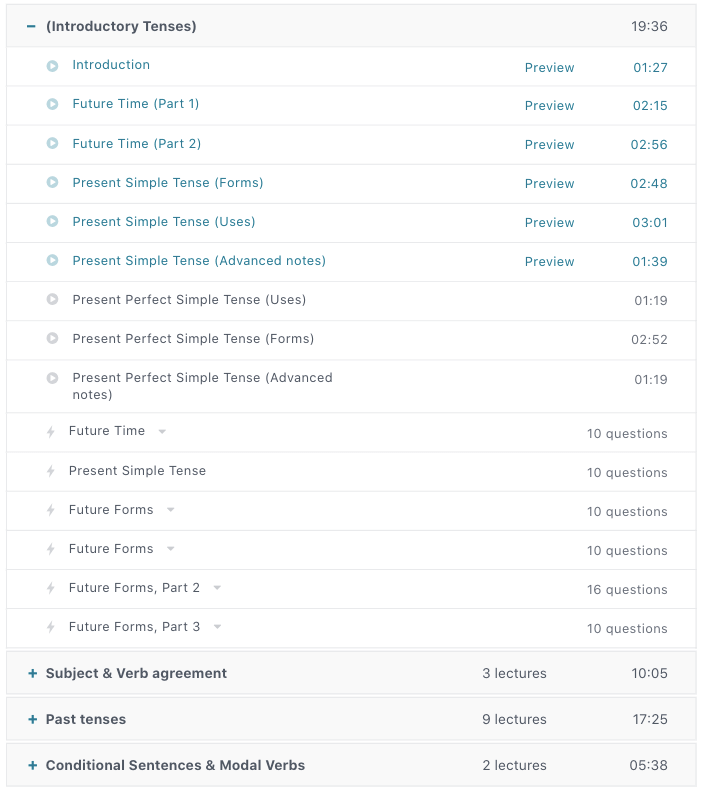
    Course Content:

    TENSESUDEMY

    Description:

    It is a well-crafted course. It teaches you how to build English grammar sentences which are perfect in both structures and tenses.
     
    It takes you to step by step to be able to differentiate among subject, verb, and object. It enables you to transform any English sentence from active to passive and vice versa.
     
    We provide you with daily quizzes that come with model answers.

    Who this course is for:

    • Intermediate & high schools students in addition to anyone who is interested in English grammar.
    • Beginners who are interested in English grammar.

    This course includes:

    • 1-hour on-demand video.
    • 23 downloadable resources.
    • Full lifetime access.
    • Access on mobile and TV.
    • Assignments.
    • Certificate of Completion.

    Created by Ustazy

    Advertisement

    How to Subscribe For English Grammar tenses & structures?

    1. Sign Up on Udemy.com
    2. Subscribe Here(English Grammar tenses & structures):

    Apply Coupon Code: MAYSECOND

    **Note: Free coupon may expire soon.*

  • Chemistry in Everyday Life Notes for Class 12 Chemistry

    CBSE Class-12 Chemistry
    Quick Revision Notes
    Chapter 16
    Chemistry in Everyday Life

    • Drugs: Drugs are low molecular mass substances which interact with targets in the
      body and produce a biological response.
    • Medicines: Medicines are chemicals that are useful in diagnosis, prevention and
      treatment of diseases
    • Therapeutic effect: Desirable or beneficial effect of a drug like treatment of
      symptoms and cure of a disease on a living body is known as therapeutic effect
    • Enzymes: Proteins which perform the role of biological catalysts in the body are
      called enzymes
    • Functions of enzymes:
    1. The first function of an enzyme is to hold the substrate for a chemical reaction.
      Active sites of enzymes hold the substrate molecule in a suitable position, so that it
      can be attacked by the reagent effectively.
    2. The second function of an enzyme is to provide functional groups that will attack
      the substrate and carry out chemical reaction.
    • Role of drugs: Main role of drugs is to either increase or decrease role of enzyme
      catalysed reactions. Inhibition of enzymes is a common role of drug action.
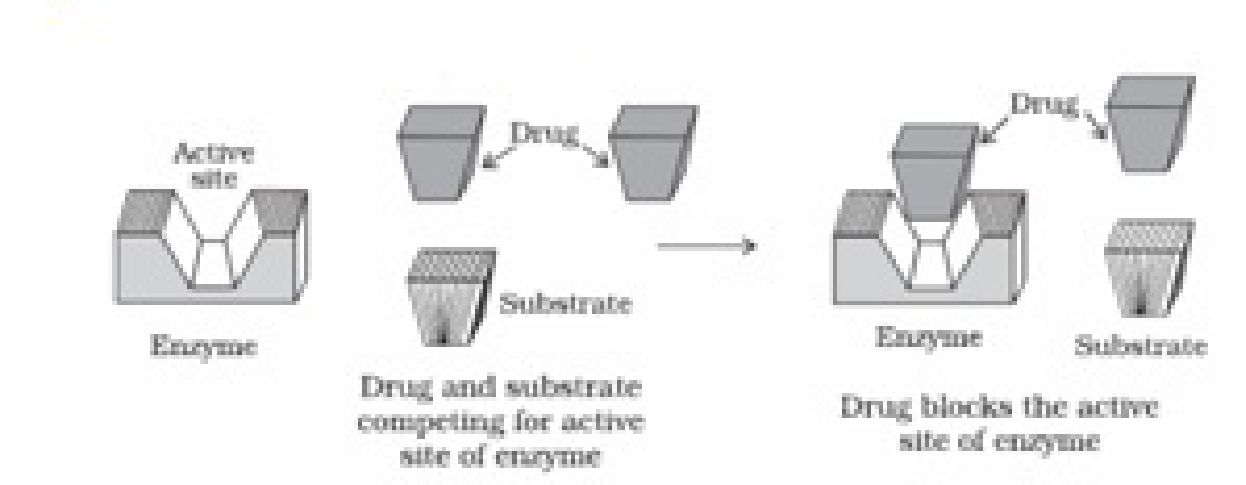
    • Enzyme inhibitor: Enzyme inhibitor is drug which inhibits catalytic activity of
      enzymes or blocks the binding site of the enzyme and eventually prevents the binding
      of substrate with enzyme.
    • Drug can inhibit attachment of substrate on active site of enzymes in following ways:

    1. Competitive Inhibition: Competitive Inhibitors are the drugs that compete with the

    natural substrate for their attachment on the active sites of enzymes.

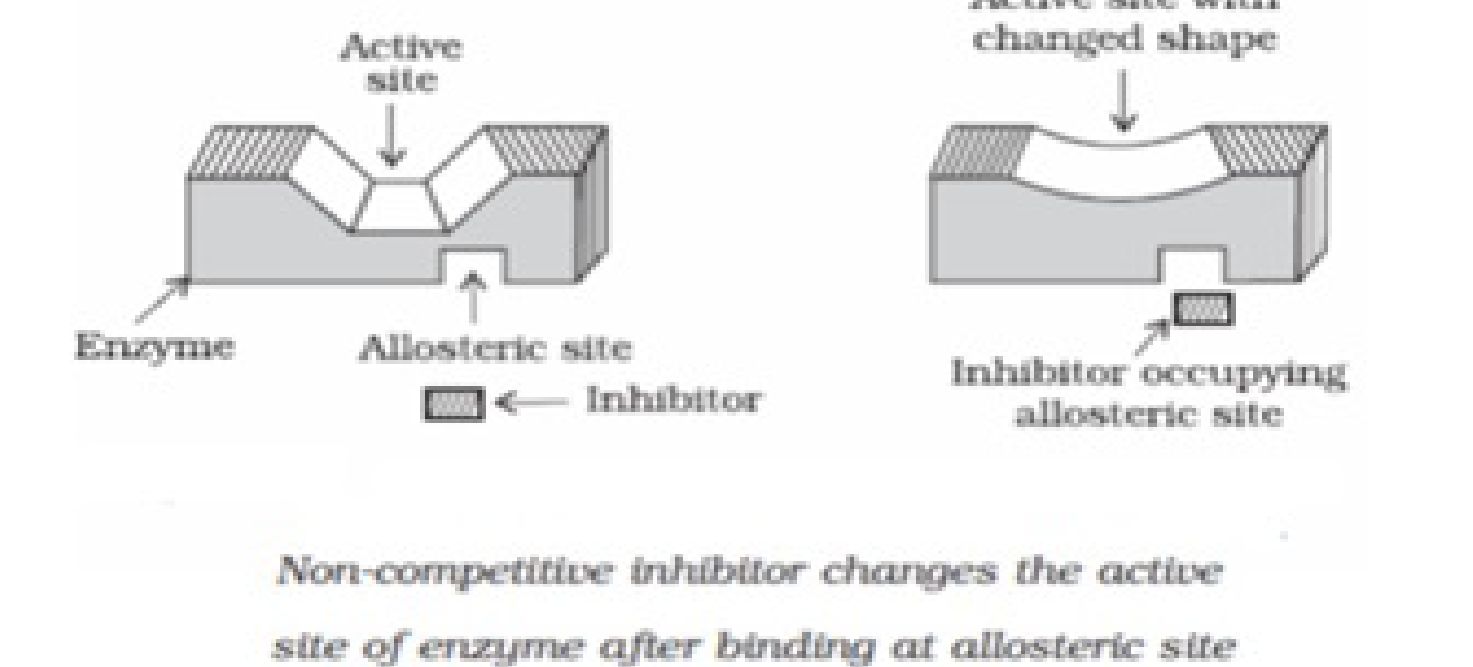
    1. Non-Competitive Inhibition: Some drugs do not bind to the enzyme’s active site, instead
      bind to a different site of enzyme called allosteric site. This binding of inhibitor at
      allosteric site changes the shape of the active site in such a way that substrate cannot
      recognise it. If the bond formed between an enzyme and an inhibitor is a strong covalent
      bond and cannot be broken easily, then the enzyme is blocked permanently. The body
      then degrades the enzyme-inhibitor complex and synthesizes the new enzyme.

    Ar I 1 ■ ■ r■ blli> ur| I fl

    • Receptors: Proteins which are vital for communication system in the body are called
      receptors. Receptors show selectivity for one chemical messenger over the other
      because their binding sites have different shape, structure and amino acid
      composition.

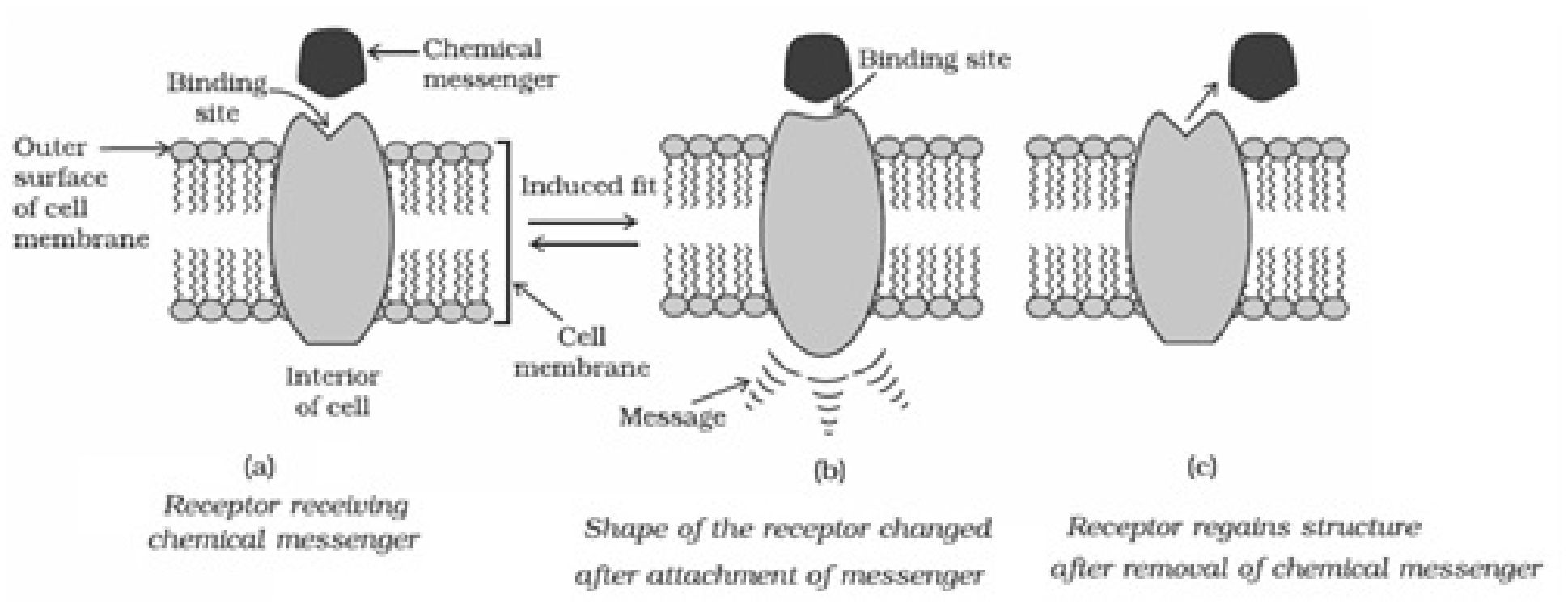
    • Receptors as Drug Targets: In the body, message between two neurons and that
      between neurons to muscles is communicated through chemical messengers. They
      are received at the binding sites of receptor proteins. To accommodate a messenger,
      shape of the receptor site changes which brings about the transfer of message into the
      cell. Chemical messenger gives message to the cell without entering the cell.

    • Antagonists and Agonists: Drugs that bind to the receptor site and inhibit its natural
      function are called antagonists. These are useful when blocking of message is
      required. Drugs that mimic the natural messenger by switching on the receptor are
      called agonists. These are useful when there is lack of natural chemical messenger.
    • Therapeutic action of different classes of drugs:
    1. Antacid: Chemical substances which neutralize excess acid in the gastric juices and
      give relief from acid indigestion, acidity, heart burns and gastric ulcers. Examples:
      Eno, gelusil, digene etc.
    2. Antihistamines: Chemical substances which diminish or abolish the effects of
      histamine released in body and hence prevent allergic reactions. Examples:
      Brompheniramine (Dimetapp) and terfenadine (Seldane).
    3. Neurologically Active Drugs: Drugs which have a neurological effect i.e. affects
      the message transfer mechanism from nerve to receptor.
    • Tranquilizers: Chemical substances used for the treatment of stress and mild or
      severe mental diseases. Examples: Derivatives of barbituric acids like veronal, amytal,
      nembutal, luminal, seconal.
    • Analgesics: Chemical substances used to relieve pain without causing any
      disturbances in the nervous system like impairment of consciousness, mental
      confusion, in coordination or paralysis etc.
    • Classification of Analgesics:
    1. Non-narcotic analgesics: They are non-addictive drugs. Examples: Aspirin,
      Ibuprofen, Naproxen, Dichlofenac Sodium.
    2. Narcotic analgesics: When administered in medicinal doses, these drugs relieve
      pain and produce sleep. Examples: Morphine and its derivatives
    3. Anti-microbials: Drugs that tends to destroy/prevent development or inhibit the
      pathogenic action of microbes such as bacteria (antibacterial drugs), fungi (anti-
      fungal agents), virus (antiviral agents), or other parasites (anti-parasitic drugs)
      selectively.
    4. Anti-fertility Drugs: Chemical substances used to prevent conception or fertilization
      are called anti-fertility drugs. Examples – Norethindrone, ethynylestradiol (novestrol).
    • Types of antimicrobial drugs :
    1. Antibiotics: Chemical substances produced by microorganisms that kill or prevent
      the growth of other microbes.

    Classification of antimicrobial drugs based on the mode of control of microbial
    diseases:

    1. Bactericidal drugs – Drugs that kills organisms in body. Examples – Penicillin,
      Aminoglycosides, Ofloxacin.
    2. Bacteriostatic drugs – Drugs that inhibits growth of organisms. Examples – Erythromycin,
      Tetracycline, Chloramphenicol.

    Classification of antimicrobial drugs based on its spectrum of action:

    1. Broad spectrum antibiotics – Antibiotics which kill or inhibit a wide range of Gram-
      positive and Gram-negative bacteria are called broad spectrum antibiotics. Examples –
      Ampicillin and Amoxycillin.
    2. Narrow spectrum antibiotics – Antibiotics which are effective mainly against Gram-
      positive or Gram-negative bacteria are called narrow spectrum antibiotics. Examples-
      Penicillin G.
    3. Limited spectrum antibiotics -Antibiotics effective against a single organism or disease
    4. Antiseptics: Chemical substances that kill or prevent growth of microorganisms and can
      be applied on living tissues such as cuts, wounds etc., are called anti-spetics. Examples –
      Soframicine, dettoletc.
    5. Disinfectants: Chemical substances that kill microorganisms but cannot be applied on
      living tissues such as cuts, wounds etc., are called disinfectants. Examples – Chlorine (Cl2),
      bithional, iodoform etc.
    • Food additives: Food additives are the substances added to food to preserve its flavor
      or improve its taste and appearance.
    • Different types of food additives:
    1. Artificial Sweetening Agents: Chemical compounds which gives sweetening effect to the
      food and enhance its flavour. Examples – Aspartame, Sucrolose and Alitame.
    2. Food preservatives: Chemical substances which are added to food material to prevent
      their spoilage due to microbial growth. Examples – Sugar, Salts, Sodium benzoate
    3. Food colours: Substances added to food to increase the acceptability and attractiveness of
      the food product. Examples – Allura Red AC, Tartrazine
    4. Nutritional supplements: Substances added to food to improve the nutritional value.
      Examples -Vitamins, minerals etc.
    5. Fat emulsifiers and stabilizing agents: Substances added to food products to give texture
      and desired consistency. Examples – Egg yolk (where the main emulsifying chemical is
      Lecithin)
    6. Antioxidants :Substances added to food to prevent oxidation of food materials. Examples
      – ButylatedHydroxy Toluene (BHT), ButylatedHydroxy Anisole (BHA).
    • Soaps: It is a sodium or potassium salts of long chain fatty acids like stearic, oleic and
      palmitic acid.

    CH2^H
    !

    o

    CH2– O-C-C17H3s
    I O

    M

    CH – O – C – C17Hjs + 3NaOH

    I O

    J A [1 * .,

    CH2– O-C-C17Hjs

    Glyceryl ester Sodium

    of stearic acid (Fat) hydroxide

    » 3CiyHJSCOONa + CH -OH

    I

    (Soap) CH1^H

    Sodium Gtycerol

    stearate

    This reaction is known as saponification.

    • Types of soaps:
    1. Toilet soaps are prepared by using better grades of fats and oil sand care is taken to
      remove excess alkali. Colour and perfumes are added to make these more attractive.
    2. Transparent soaps are made by dissolving the soap in ethanol and then evaporating the
      excess solvent.
    3. In medicated soaps, substances of medicinal value are added. Insome soaps, deodorants
      are added.
    4. Shaving soaps contain glycerol to prevent rapid drying. A gum called, rosin is added
      while making them.It forms sodium rosinate which lathers well.
    5. Laundry soaps contain fillers like sodium rosinate, sodium silicate, borax and sodium
      carbonate.
    6. Soaps that float in water are made by beating tiny air bubbles before their hardening.
    7. Soap chips are made by running a thin sheet of melted soap ontoa cool cylinder and

    scraping off the soaps in small broken pieces.

    1. Soap granules are dried miniature soap bubbles.
    2. Soap powders and scouring soaps contain some soap, a scouring agent (abrasive) such as
      powderedpumice or finely divided sand, and builders like sodium carbonate and
      trisodium phosphate.
    • Advantages of using soaps: Soap is a good cleansing agent and is 100%
      biodegradable i.e., micro- organisms present in sewage water can completely oxidize
      soap. Therefore, soaps do not cause any pollution problems.
    • Disadvantages of using soaps: Soaps cannot be used in hard water because hard
      water contains metal ions like Ca2+ and Mg2+ which react with soap to form white
      precipitate of calcium and magnesium salts

    2C17HyCOONa-CaCl- ^ % NaClCa

    ^oap ftGoltfbte Cd L. Lur.

    ::=:^i:r (ioap)

    2C-H3jCOOXa+MgCl3 ^2 NaCl-(C-H3jCOO)3Mg

    iQap ir.E■:■ It’Dh ™ zr.dE i.um

    E-[ddfd te (EC-Erp)

    These precipitates stick to the fibres of the cloth as gummy mass and block the ability of
    soaps to remove oil and grease from fabrics. Therefore, it interferes with the cleansing
    ability of the soap and makes the cleansing process difficult.

    In acidic medium, the acid present in solution precipitate the insoluble free fatty acids which
    adhere to the fabrics and hence block the ability of soaps to remove oil and grease from the
    fabrics. Hence soaps cannot be used in acidic medium

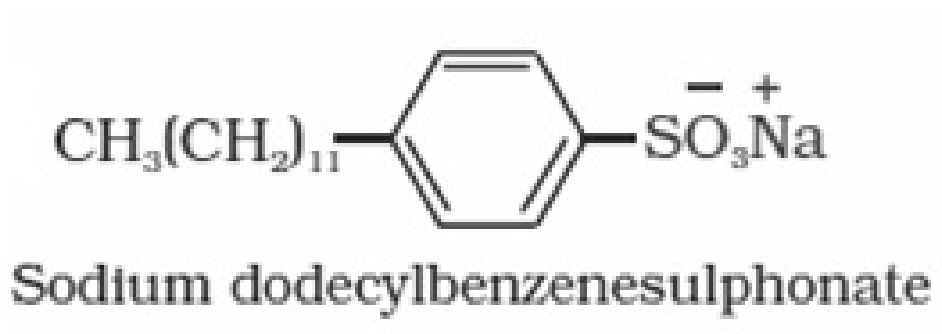
    • Detergents: Detergents are sodium salts of long chain of alkyl benzene sulphonic
    acids or sodium salts of long chain of alkyl hydrogen sulphates.
    • Classification of detergents:
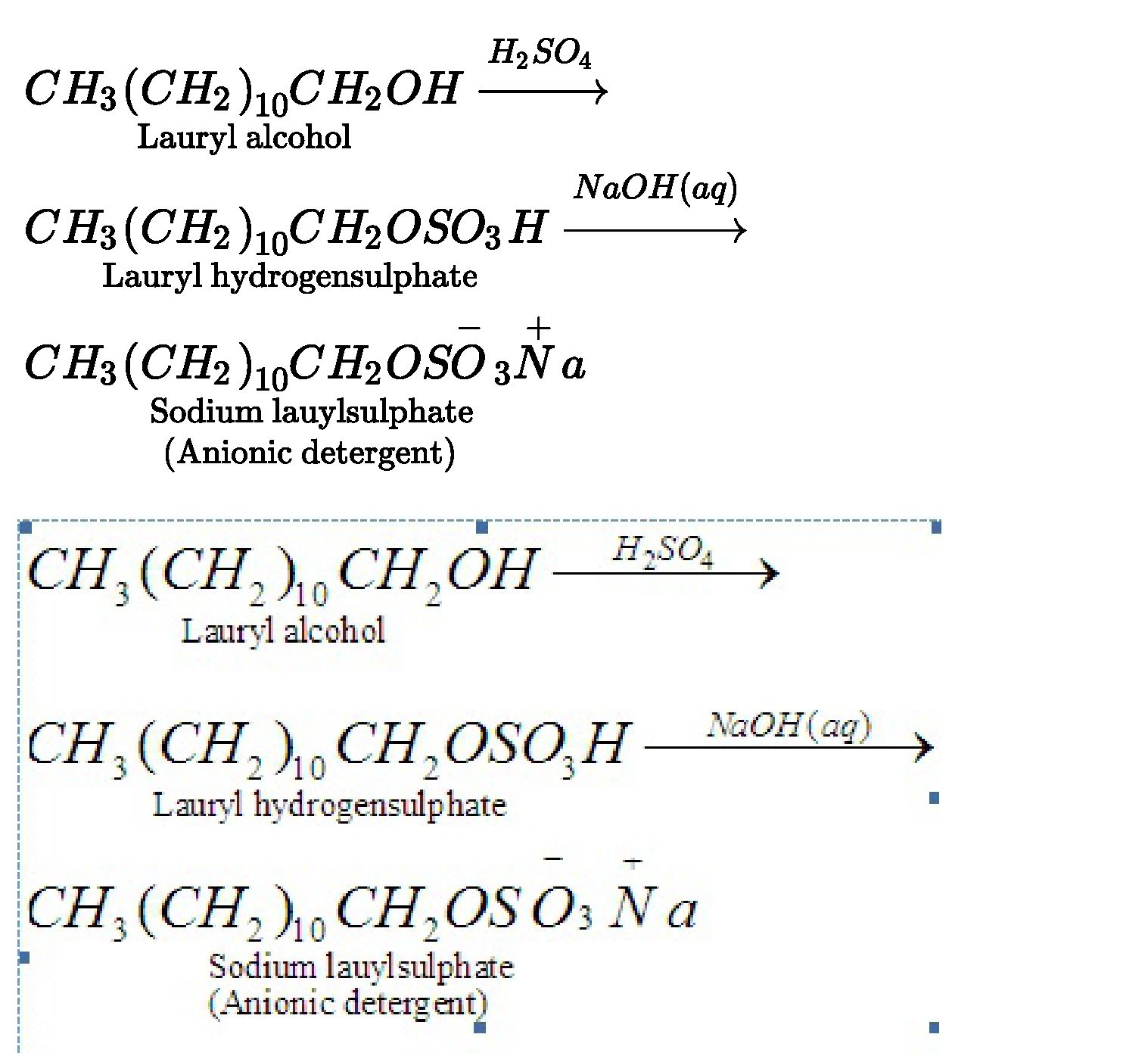
    1. Anionic detergents: Anionic detergents are sodium salts of sulphonated long chain
      alcohols or hydrocarbons. Alkyl hydrogen sulphates formed by treating long chain alcohols
      with concentrated sulphuric acid are neutralised with alkali to form anionic detergents.
      Similarly alkyl benzene sulphonates are obtained by neutralising alkyl benzene sulphonic
      acids with alkali. Anionic detergents are termed so because a large part of molecule is an
      anion.

    They are used in household cleaning like dishwasher liquids, laundry liquid detergents,
    laundry powdered detergents etc. They are effective in slightly acidic solutions where soaps
    do not work efficiently.

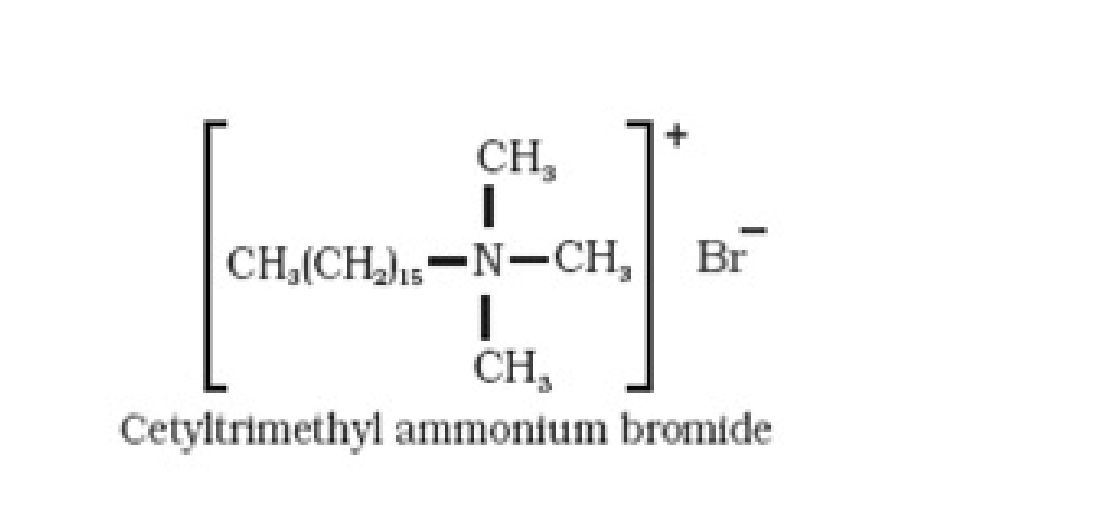
    1. Cationic detergents: Cationic detergents are quarternary ammonium salts of a mines with
      acetates, chlorides or bromides as anions. Cationic parts possess a long hydrocarbon chain
      and a positive charge on nitrogen atom. Cationic detergents are termed so because a large
      part of molecule is a cation. Since they possess germicidal properties, they are used as
      germicides. They has strong germicidal action, but are expensive.
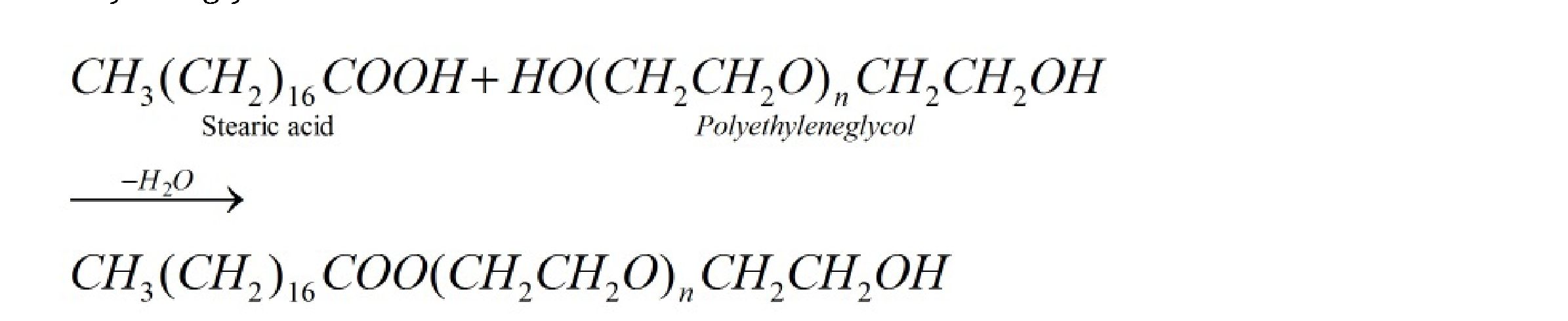
    2. Non- ionic detergents: They do not contain any ion in their constitution. They are like
      esters of high molecular mass.

    Example: Detergent formed by condensation reaction between stearic acid reacts and poly
    ethyl eneglycol.
    It is used in Making liquid washing detergents. They have effective H- bonding groups at one
    end of the alkyl chain which make them freely water soluble.

    • Biodegradable detergents: Detergents having straight hydrocarbon chains that are
      easily decomposed by microorganisms. Example: Sodium lauryl sulphate

    • Non-Biodegradable detergents: Detergents having branched hydrocarbon chains
      that are not easily decomposed by microorganisms.


  • Polymers Notes for Class 12 Chemistry

    CBSE Class-12 Chemistry
    Quick Revision Notes
    Chapter 15
    Polymers

    • Polymers: Polymers are high molecular mass substance consisting of large number of
      repeating structural units. As polymers are single, giant molecules i.e. big size
      molecules, they are also called macromolecules
    • Monomers: The simple molecules which combine to form polymers by forming single
      or multiple bonds are called monomers.
    • Polymerization: The process of formation of polymers from respective monomers is
      called polymerization
    • Classification of Polymers:
    1. Based on source of availability, it is classified into
    2. Natural polymers: Polymers obtained from nature, mostly plants and animals.
      Examples – Cellulose, starch, etc.
    3. Synthetic polymers: Polymers prepared in laboratory. Examples – Teflon, Nylon 6,6 ,
      Synthetic rubber (Buna – S) etc.
    4. Semi synthetic polymers: Polymers derived from naturally occurring polymers by
      carrying out chemical modifications. Examples – Rayon (cellulose acetate), cellulose
      nitrate, etc.
    5. Based on the structure of polymer, it is classified into
    6. Linear polymers: Polymer consists of long and straight chains. Examples – High
      density polythene, polyvinyl chloride, etc.
    7. Branched chain polymers: Polymers contains linear chains having some branches.
      Examples – Low density polythene
    8. Cross linked or network polymers: Polymers in which monomer units are cross linked
      together to form a 3 dimensional network polymers. Examples – Bakelite, melamine,
      etc.
    9. Based on the mode of polymerisation, it is classified into
    10. Addition polymers: Polymers are formed by the repeated addition of monomers with
      double and triple bonds. It is further classified into,

    Homopolymers:Polymers formed by the polymerisation of a single monomeric species.
    Examples – Polythene, Polystyrene.

    Copolymers:Polymers formed by addition polymerisation of two different monomers.
    Examples – Buna-S, Buna -N.

    1. Condensation polymers: Polymers formed by repeated condensation reaction between
      two different bi-functional or tri-functional monomeric units with elimination of simple
      molecules. Examples – Nylon 6, 6, Nylon 6.

    Based on Molecular forces, it is classified into

    Step 1: Chain initiating step: Organic peroxides undergo homolytic fission to form free
    radicals which acts as initiator. Initiator adds to C-C double bond of an alkene molecule to
    form a new free radical

    O O O

    Ii fus I il . *

    <VJ,^KW>C-Crt >2C^>0^-2CA +2C0,

    Bcnznyi pmaKk ETwmi redjcaJ

    * ■

    C*H*+CHj=CKt * CJi,-CJi:-CHL

    Step 2: Chain propagating step: Free radicals formed by homolytic cleavage adds to a double
    bond of monomer to form a larger free radical. Radical formed adds to another alkene
    molecule to form a larger free radical. This process continues until the radical is destroyed.
    These steps are called propagation steps.

    CiHi ~ CH1 C H1 – CH1 = CH1

    4 .

    CJii CH1 CH1 CH1 C H1

    4

    ¥

    CiHi – CCH1 CH^ CH1 C H1

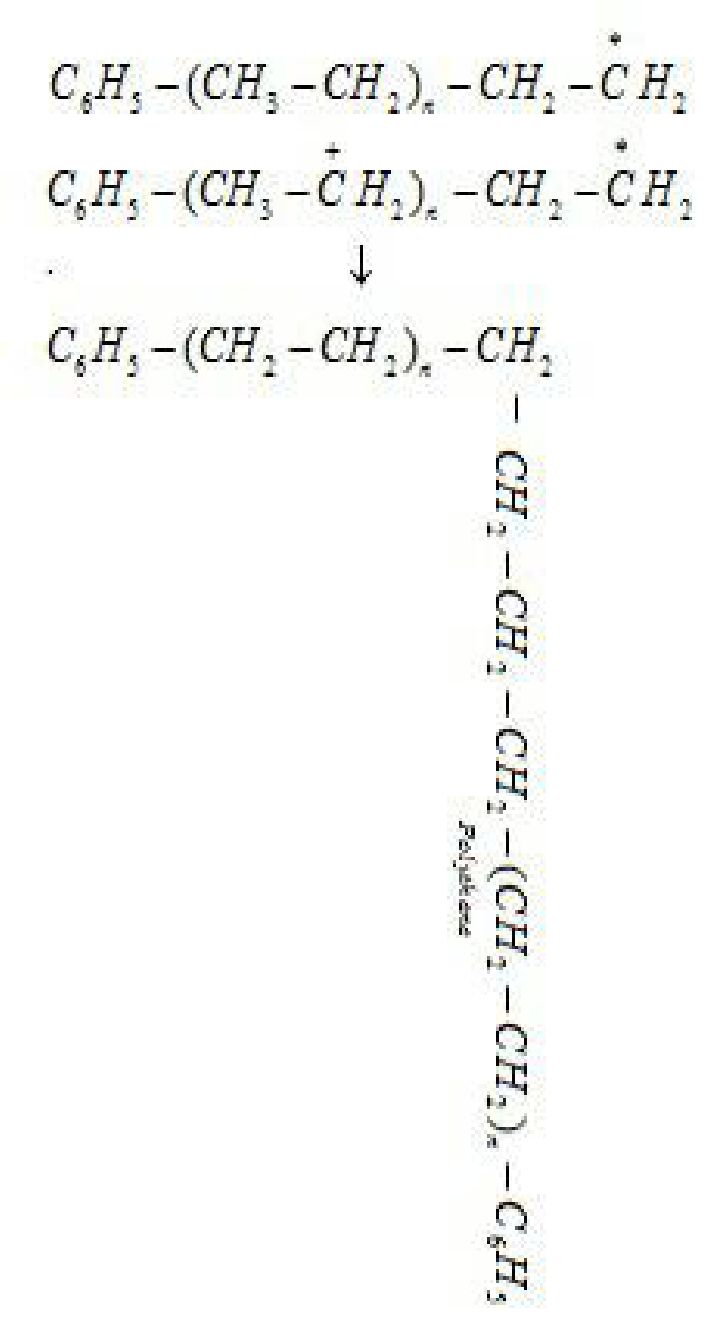
    Step 3: Chain terminating step: For termination of the long chain, free radicals combine in
    different ways to form polythene. One mode of termination of chain is shown as under:
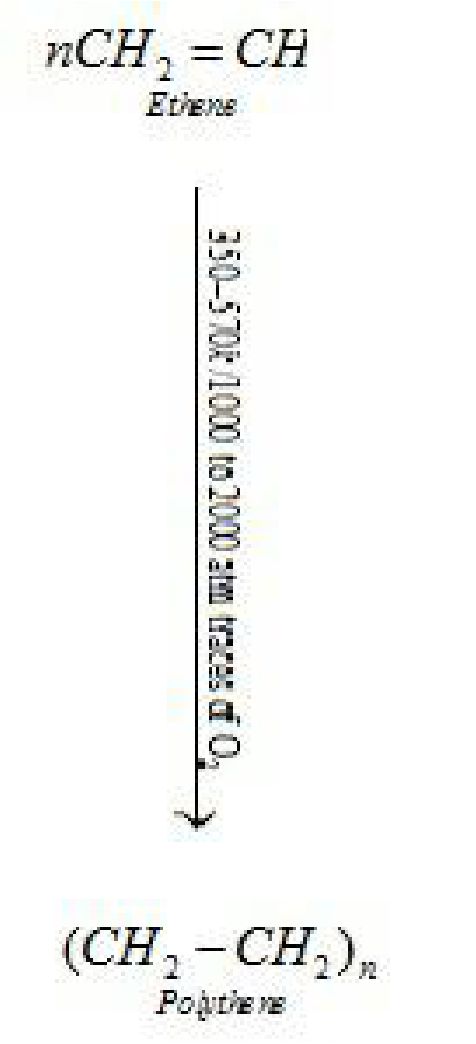
    1. . Low density polythene (LDP) is a polymer of ethene.

    It is used in the insulation of electricity carrying wires and manufacture of squeeze bottles,
    toys and flexible pipes
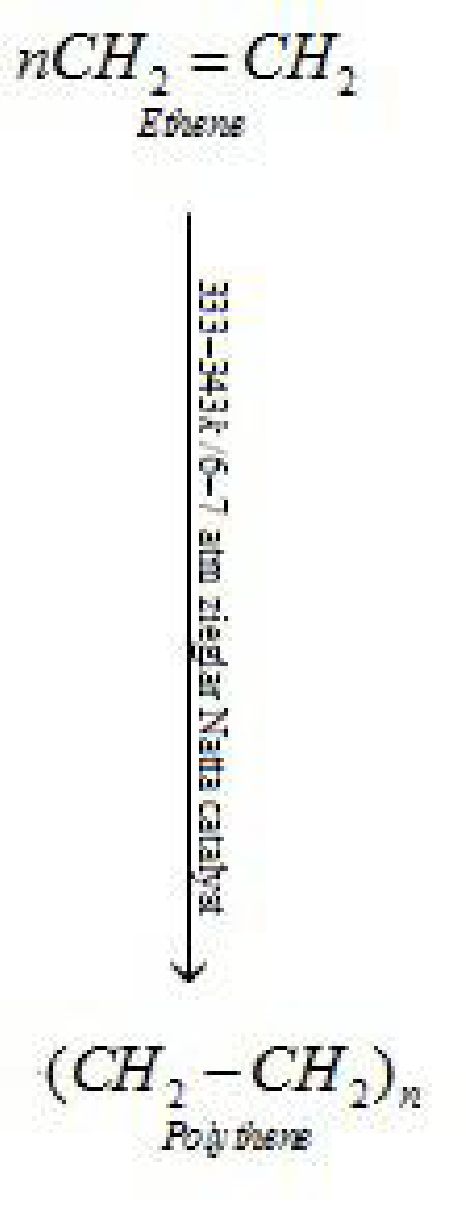
    1. . High density polythene(HDP) is a polymer of ethene.

    It is used for manufacturing buckets, dustbins, bottles, pipes, etc.
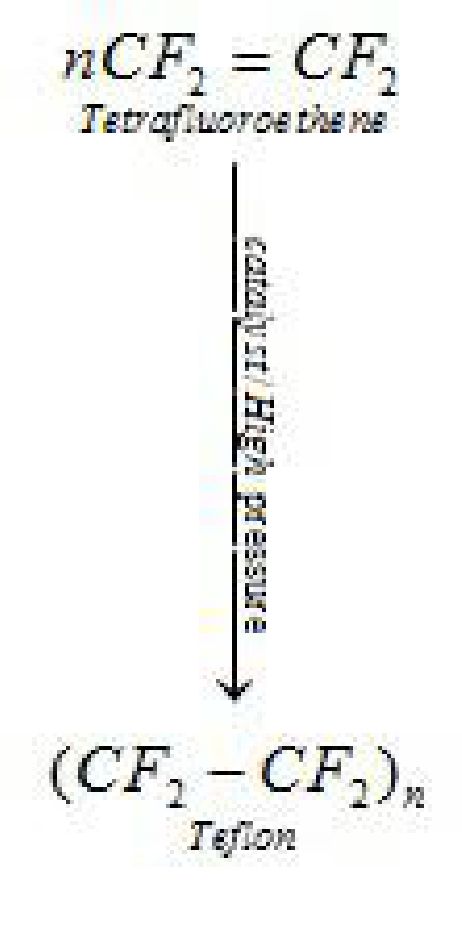
    1. . Polytetrafluoroethene (is a polymer of Teflon)

    It is used in making oil seals and gaskets and also used for non – stick surface coated utensils

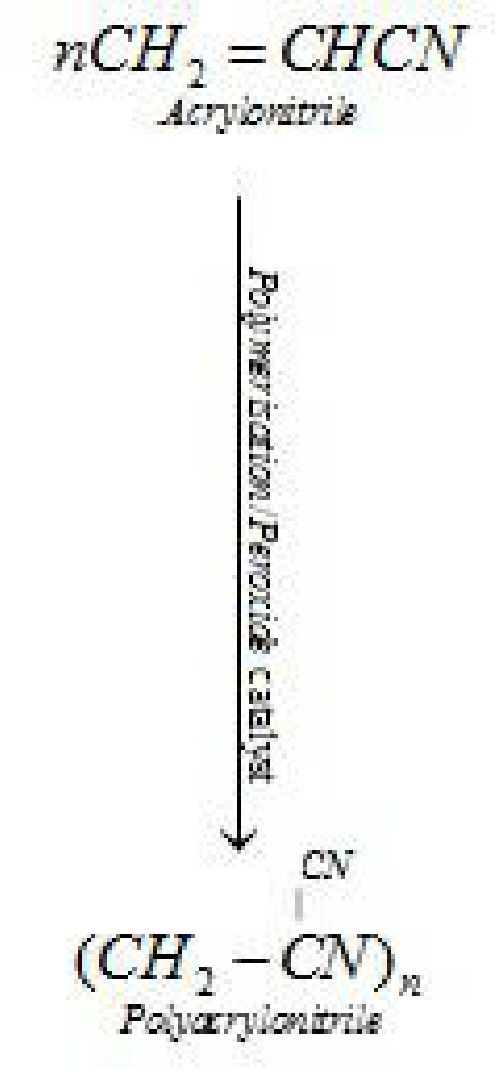
    1. . Polyacrylonitrile is a polymer of acrylonitrile.

    It is used as a substitute for wool in making commercial fibres such as orlon or acrilan.

    1. Polyamides: Polymers possess amide linkage (-CONH-) in chain. Thesepolymers are
    popularly known as nylons. Examples:

    (a) Nylon 6, 6: It is prepared by the condensation polymerisation of hexamethylenediamine
    with adipic acid under high pressure and at high temperature.

    KHOOC(CH2)4COOH+ }TH2H(CH:)^XH2

    It is used in making sheets, bristles for brushes and in textile industry.

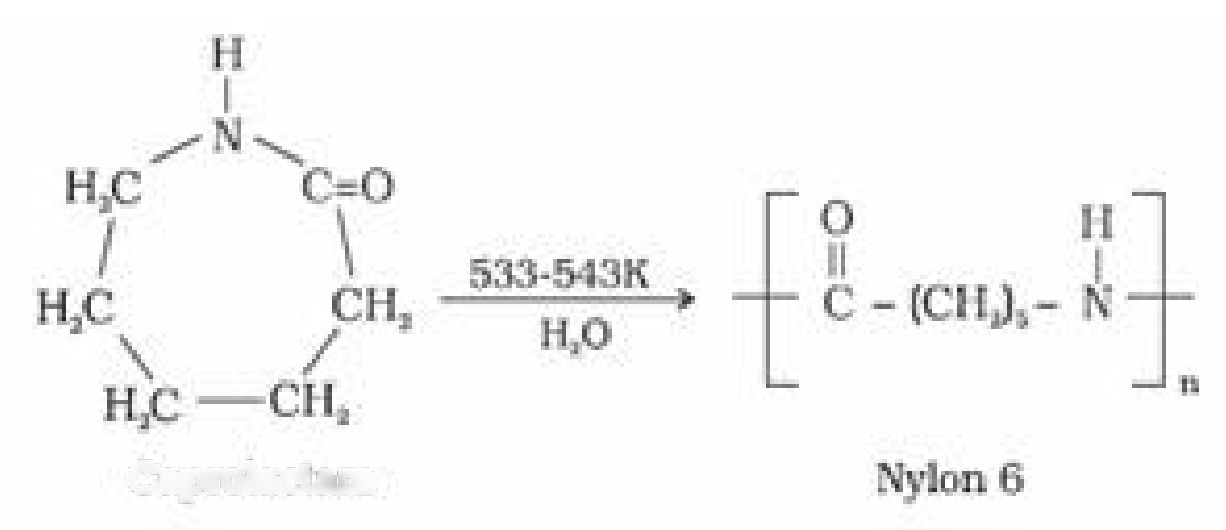
    (b) Nylon 6: It is obtained by heating caprolactum with water at a high temperature

    CupraUcLam

    It is used for the manufacture of tyre cords, fabrics and ropes.
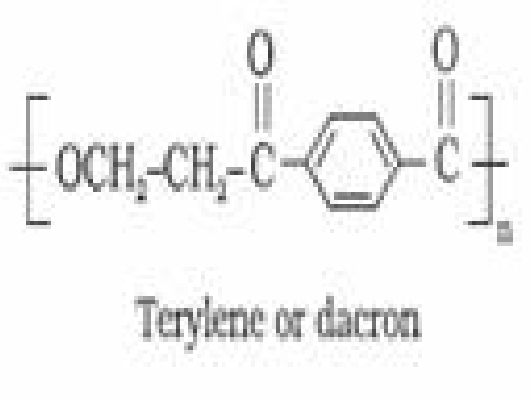
    1. Polyesters: These are the polycondensation products of dicarboxylic acids and diols
      Example: Terylene or Dacron

    n HOHt- CH1OH t n HOOCn0- COOH —*

    Efl^DK^ol TerepbLhabc ^rid

    |Etha^!.2’dKfl (BmrKie-!.4 – dl

    It is used to create resistance in polymerised product and is used in blending with cotton and
    wool fibres and also as glass reinforcing materials in safety helmets, etc.

    1. Phenol – formaldehyde polymer (Bakelite and related polymers)

    a). Bakelite: These are obtained by the condensation reaction of phenol with formaldehyde
    in the presence of either an acid or a base catalyst. The initial product could be a linear
    product – Novolac used in paints.

    b). Novolac on heating with formaldehyde forms Bakelite
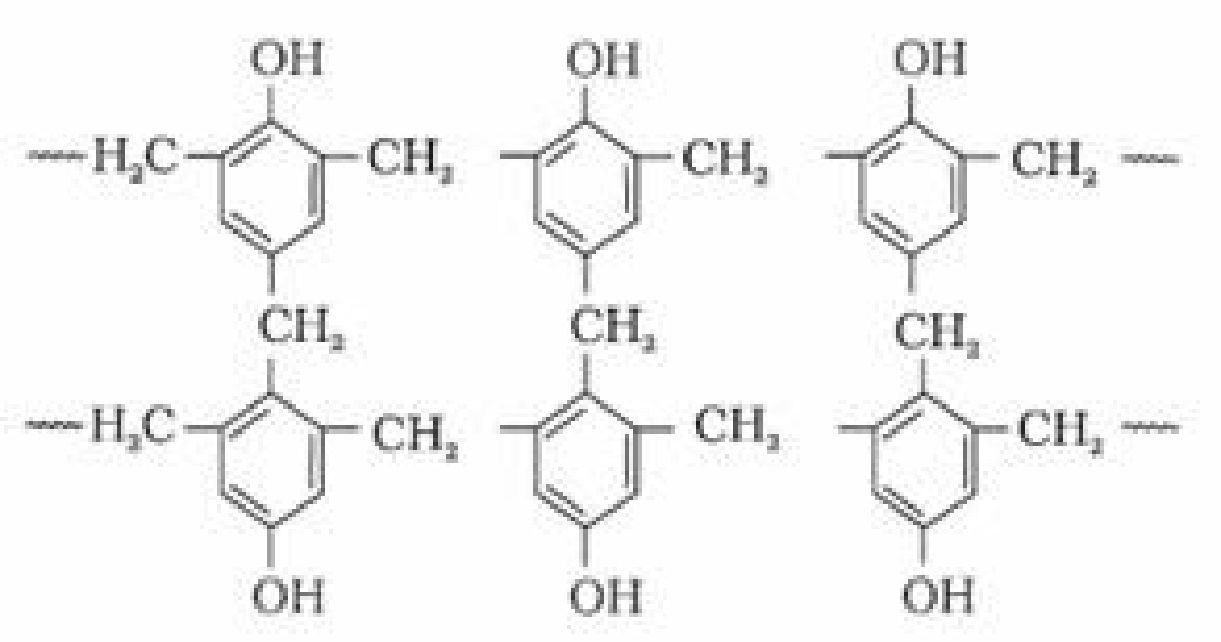
    It is used for making combs, phonograph records, electrical switches and handles of various
    utensils

    1. Melamine – formaldehyde polymer: Melamine formaldehyde polymer isformed by the
      condensation polymerisation of melamine and formaldehyde

    It is used in the manufacture of unbreakable crockery.

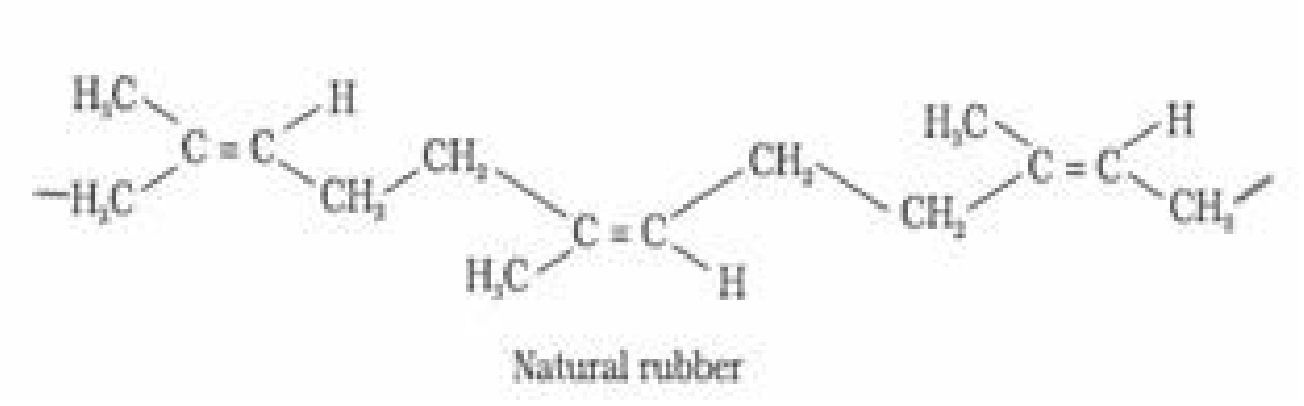
    a). Natural rubber: Natural rubber is a linear polymer of isoprene (2-methyl-1, 3-butadiene)
    and is also called as cis – 1, 4 – polyisoprene.
    b). Synthetic rubber: Synthetic rubbers are either homopolymers of 1, 3 – butadiene
    derivatives or copolymers of 1, 3 – butadiene or its derivatives with another unsaturated
    monomer.

    It is used for manufacturing conveyor belts, gaskets and hoses

    B) Buna – N

    It is used in making oil seals, tank lining, etc. because it is resistant to the action of petrol,
    lubricating oil and organic solvents

    C) Buna – S

    It is used in speciality packaging, orthopaedic devices and in controlled release of drugs.

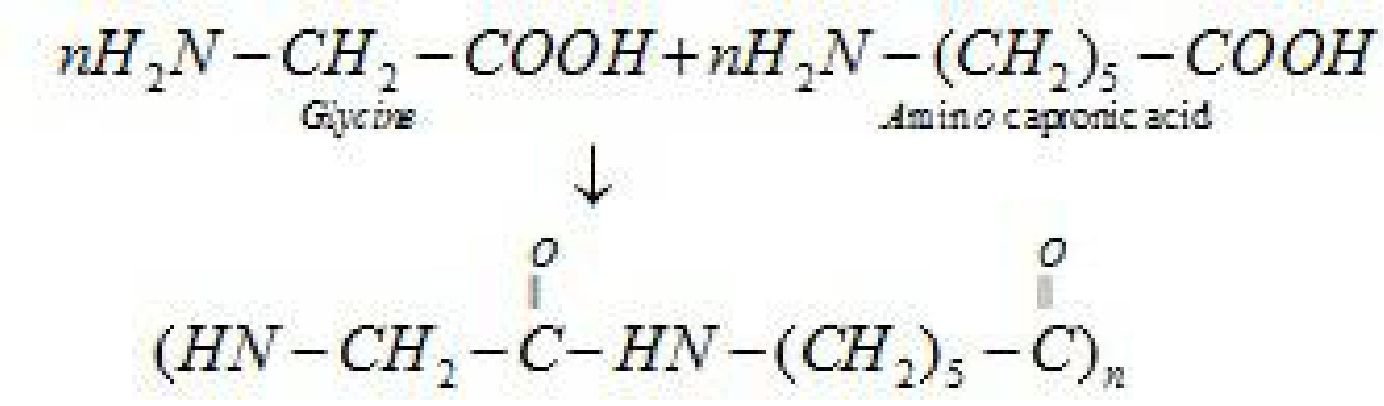
    b). Nylon 2-nylon 6: It is an alternating polyamide copolymer of glycine(H2N-CH2-COOH)
    and amino caproic acid (H2N (CH2)5 COOH)
    1. Elastomers: Polymer chains are held together by weakest intermolecular forces.
      Polymers are rubber – like solids with elastic properties. Examples – Buna – S, Buna – N,
      Neoprene.
    2. Fibre: Polymers have strong intermolecular force like hydrogen bonding. Fibres are the
      thread forming solids which possess high tensile strength and high modulus. Examples –
      Nylon 6, 6, Polyesters.
    3. Thermoplastic polymers: Polymers are held by intermolecular forces which are in
      between those of elastomers and fibres. These polymers are capable of repeated
      softening on heating and hardening on cooling. Examples – Polythene, Polystyrene.
    4. Thermosetting polymers: Polymers are cross linked or heavily branched molecules,

    which on heating undergo extensive cross linking in moulds and eventually undergo a
    permanent change. Examples – Bakelite, Urea-formaldelyde resins

    1. Addition Polymerisation or Chain Growth Polymerisation: Addition polymerisation is
      called chain growth polymerisation because it takes place through stages leading to
      increase in chain length and each stage produces reactive intermediates for use in next
      stage of the growth of chain. Most common mechanism for addition polymerisation
      reactions is free radical mechanism

    Important Addition Polymers:

    Condensation Polymerisation or Step Growth polymerization: Polymerisation generally
    involves a repetitive condensation reaction between two bi-functional monomers. In
    condensation reactions, the product of each step is again a bi-functional species and the
    sequence of condensation goes on. Since, each step produces a distinct functionalized species
    and is independent of each other, this process is also called as step growth polymerisation.

    Condensation Polymers:

    Terylene or Dacron: It is manufactured by heating a mixture of ethylene glycol and
    terephthalic acid at 420 to 460 K in the presence of zinc acetate-antimony trioxide catalyst.

    Vulcanisation of rubber: The process of heating a mixture of raw rubber with sulphur and
    an appropriate additive in a temperature range between 373 K to 415 K to improve upon
    physical properties like elasticity, strength etc.

    Examples of synthetic rubber:

    Biodegradable Polymers: Polymers which are degraded by microorganisms within a suitable
    period so that biodegradable polymers and their degraded products do not cause any serious
    effects on environment.

    Examples of biodegradable polymer:

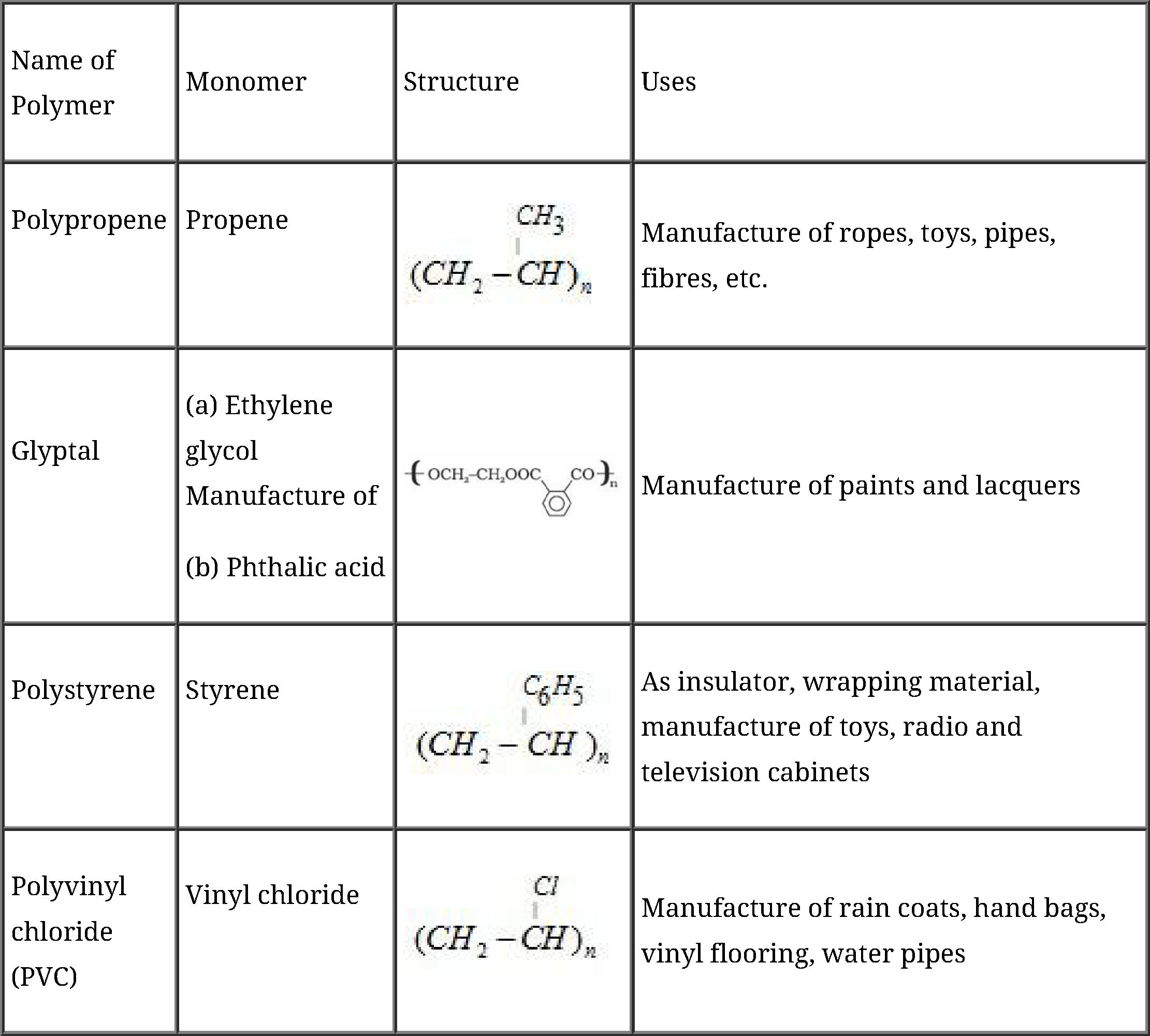
    Commercially important polymers along with their structures and uses:


  • Biomolecules Notes for Class 12 Chemistry

    CBSE Class-12 Chemistry
    Quick Revision Notes
    Chapter 14
    Biomolecules

    • Carbohydrates: Polyhydroxy aldehydes or polyhydroxyketones or compounds on
      hydrolysis give carbohydrates.
    • Classification of carbohydrates:

    Monosaccharides

    1. Simplest carbohydrates
    2. It cannot be hydrolysed into simpler compounds
    3. Examples – Glucose, mannose
      Oligosaccharides
    4. Carbohydrates which gives 2 to 10 monosaccharide units on hydrolysis
    5. Examples – Sucrose, Lactose, Maltose
      Polysaccharides
    6. Carbohydrates which on hydrolysis give large number of monosaccharide units.
    7. Examples – Cellulose, starch
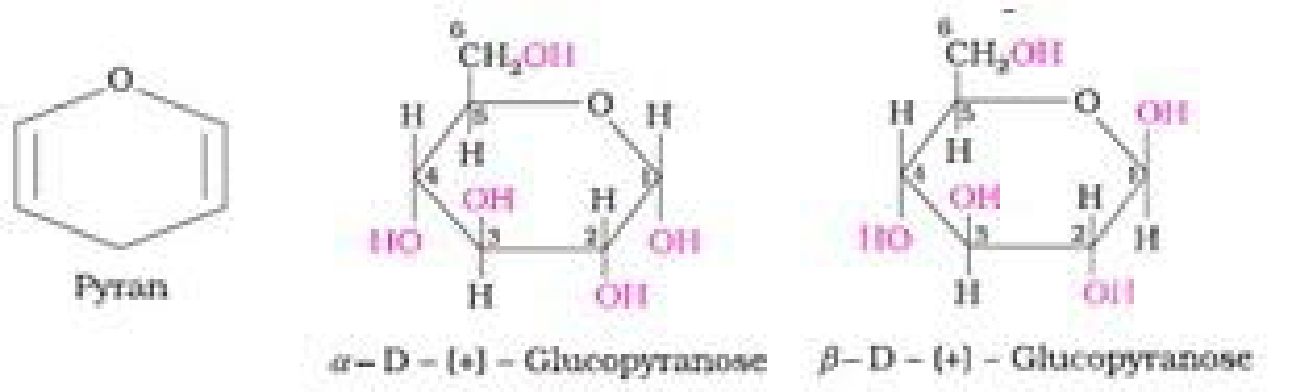
    • Anomers: Pair of optical isomers which differ in configuration only around C1 atom
      are called anomers. Examples – c*-D-glucopyranose and /3-D-glucopyranose.
    • Epimers: Pair of optical isomers which differ in configurationaround any other C
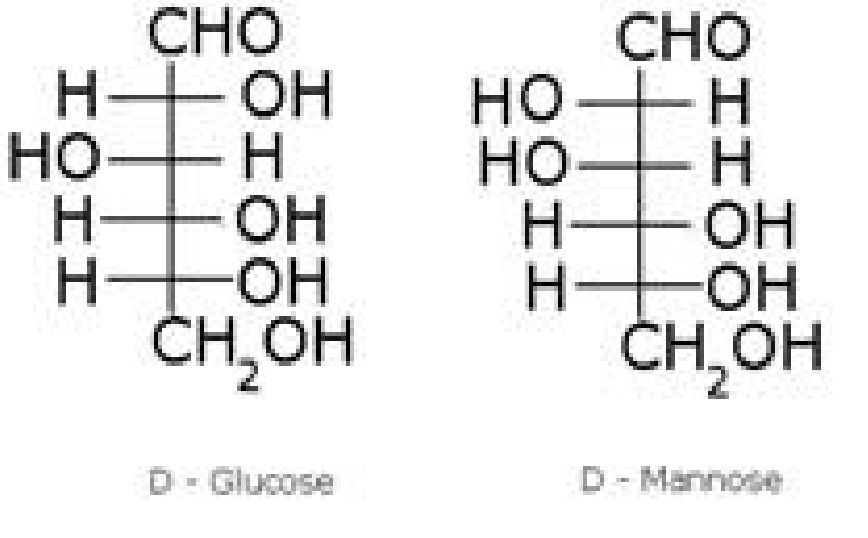
      atom other than C1 atom are called epimers. E.g. D-glucose and D- mannose are
      C2epimers.

    Preparation of glucose (also called dextrose, grape sugar):

    • From starch

    • Structure of glucose

    CHO (CHQR-)< CH2OH

    Structure elucidation of glucose:

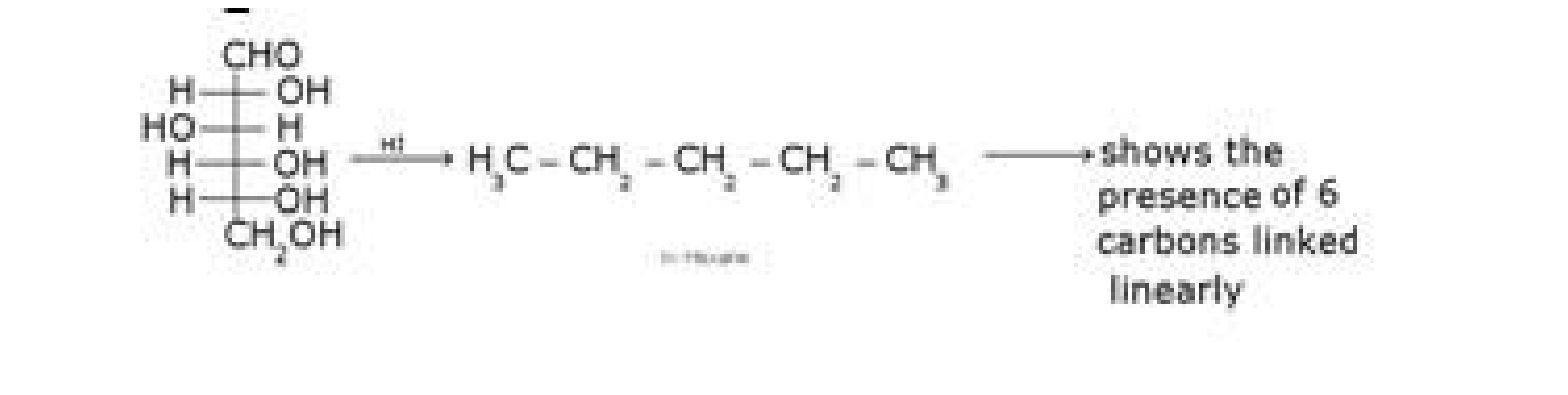
    1. D – glucose with HI

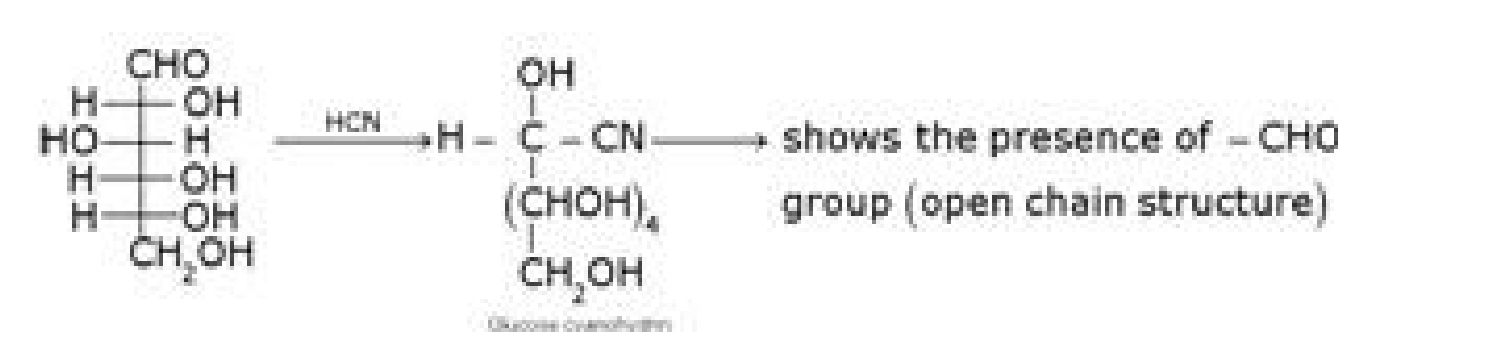
    b) D – glucose with HCN

    c) D – glucose with NH2OH

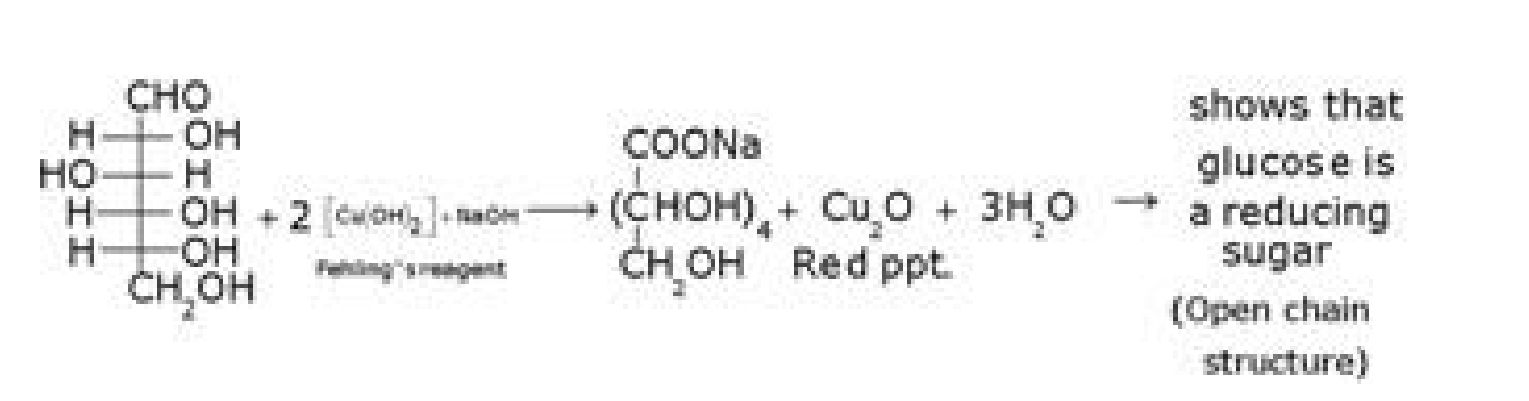
    d) D- glucose with Fehling’s reagent

    / 15
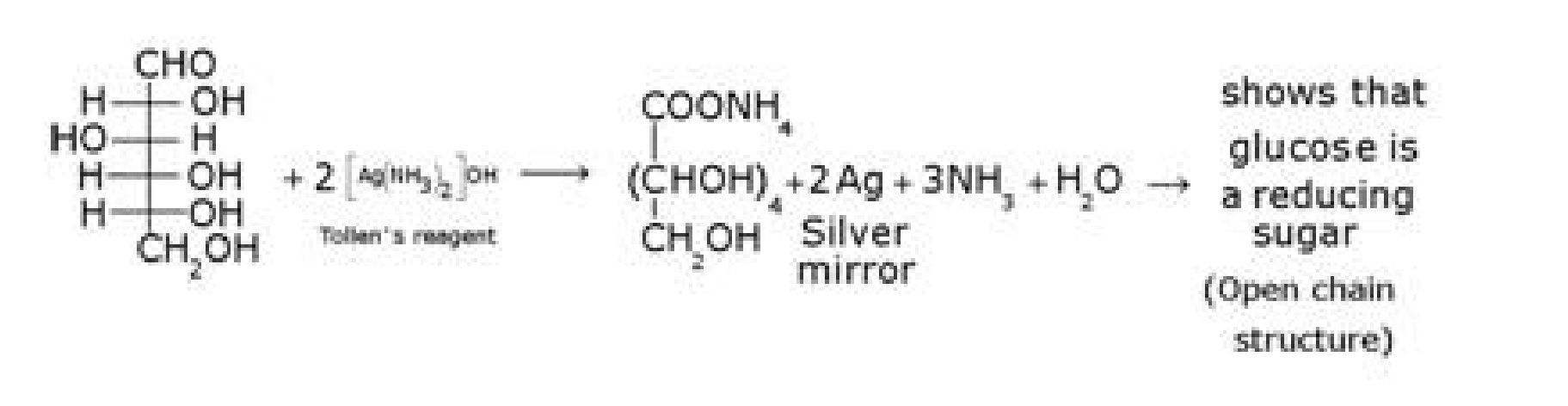
    e) D – glucose with Tollen’s reagent
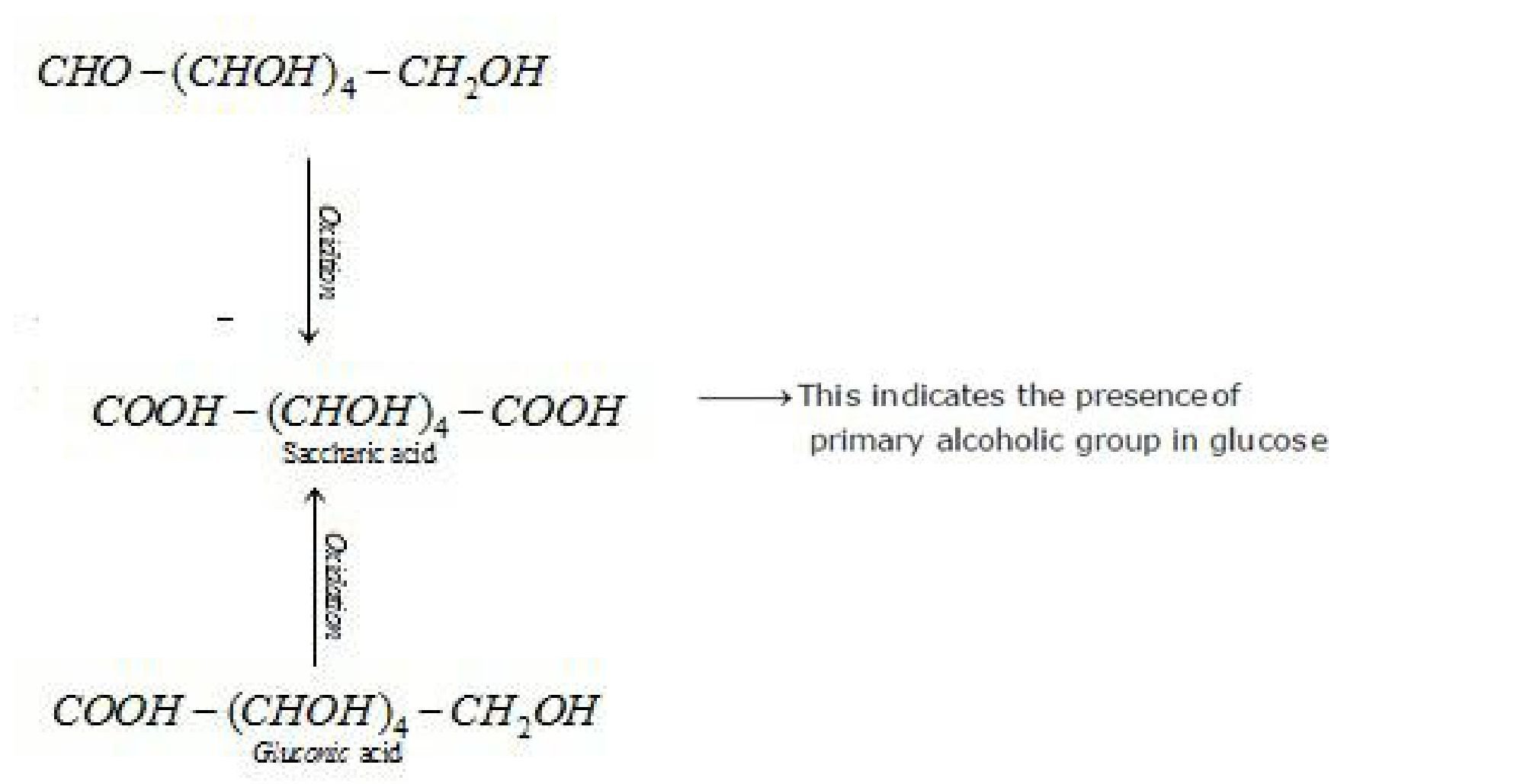
    f) D – glucose with nitric acid
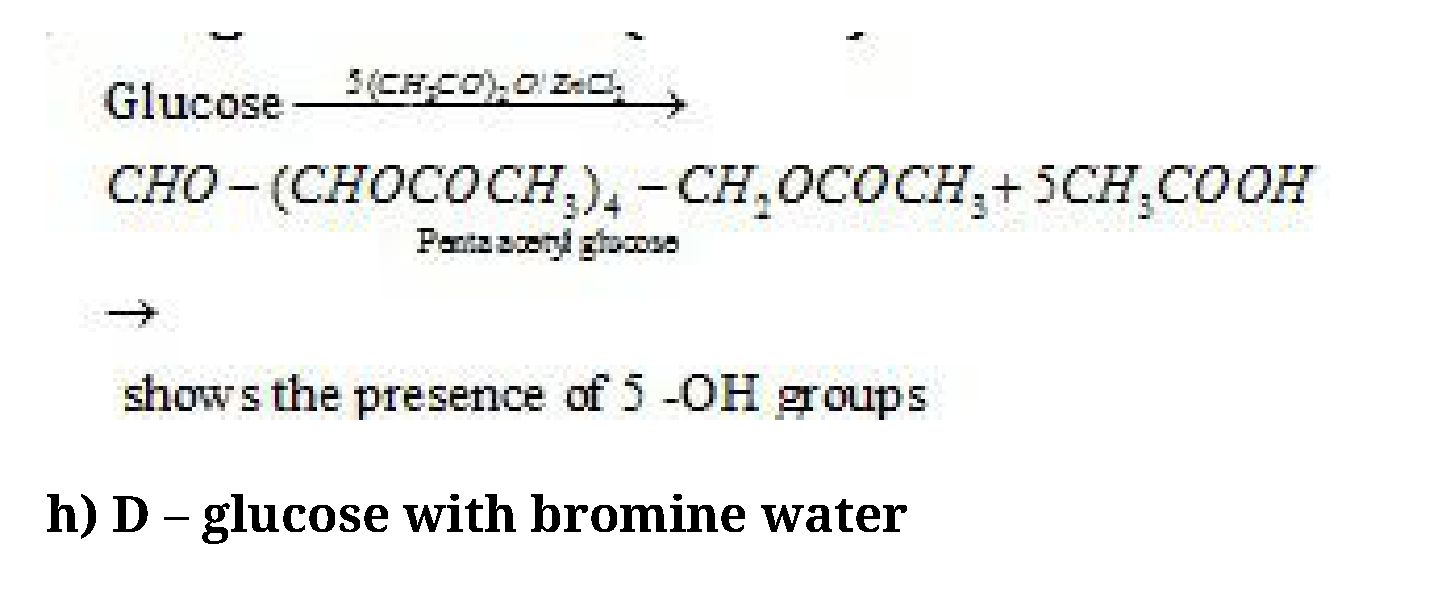
    1. D – glucose with (CH3CO)2O and ZnCl2

    / 15

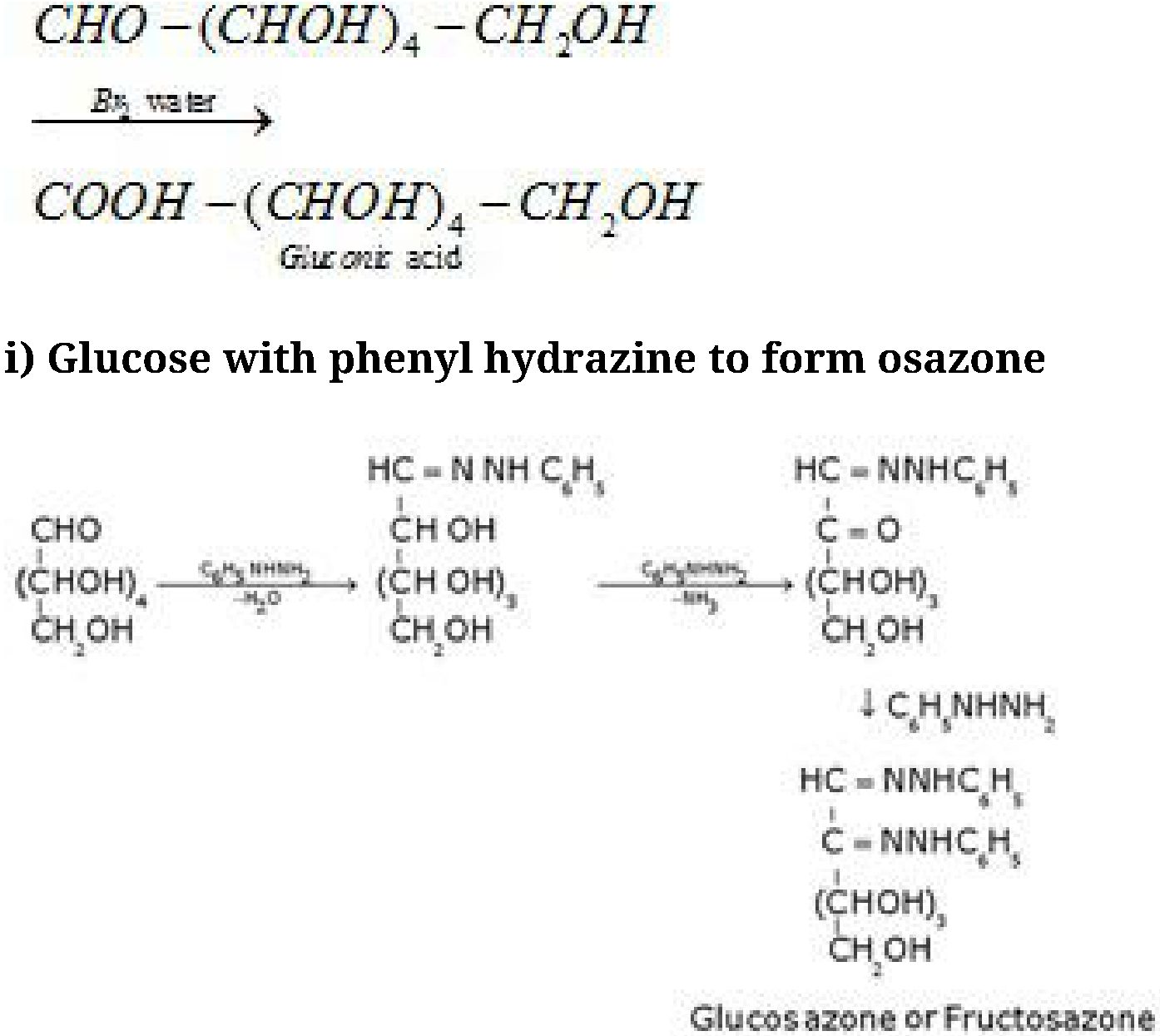
    Glucose and fructose gives the same osazone because the reaction takes place at C1 and C2
    only.

    Other Reactions of Glucose (Presence of ring structure)
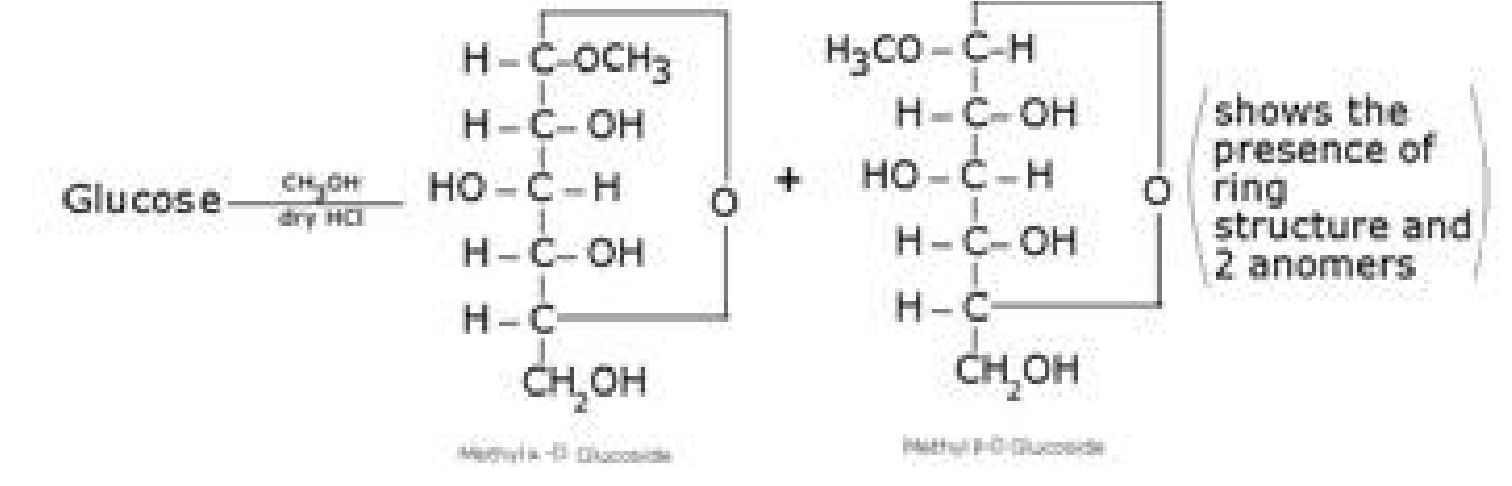
    Glucose does not give Schiffs test and does not react with sodium bisulphite and NH3.
    Pentaacetyl glucose does not react with hydroxyl amine. This shows the absence of -CHO
    group and hence the presence of ring structure.

    Cyclic structure of glucose:

    • Haworth representation of glucose:

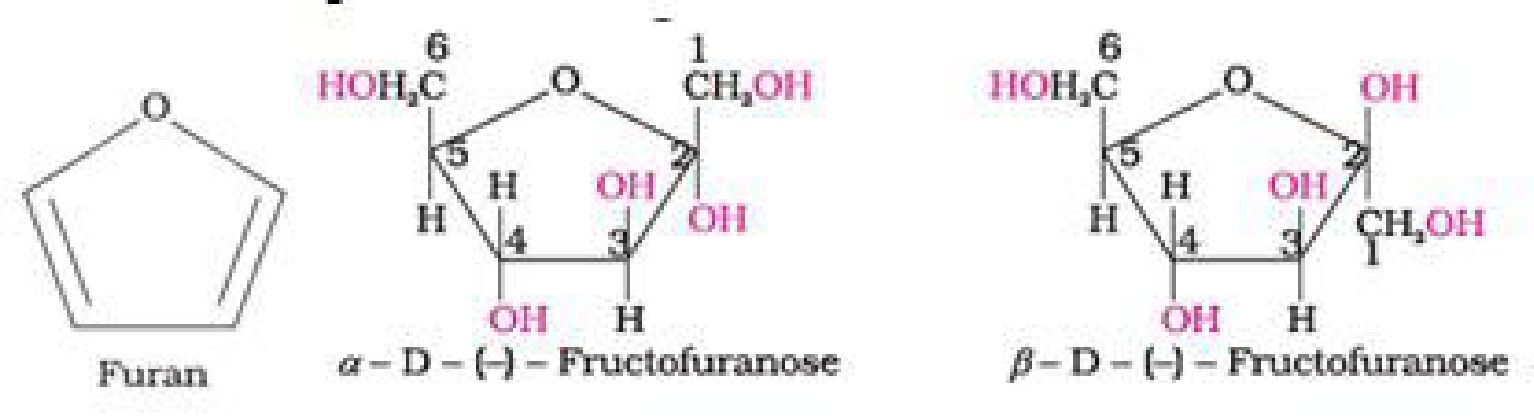
    Cyclic structure of fructose:
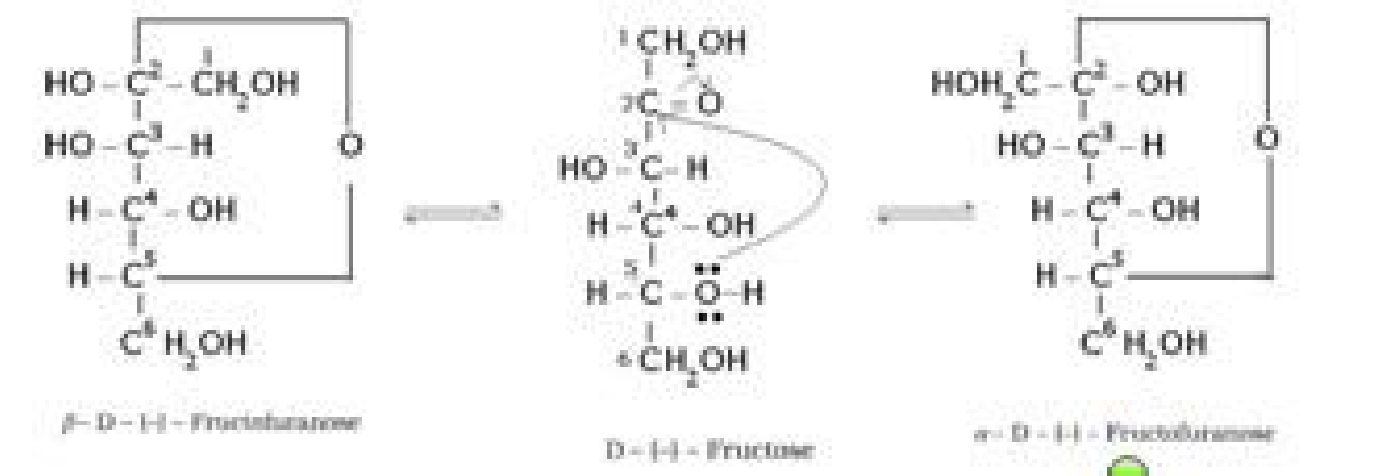
    • Haworth representation of fructose
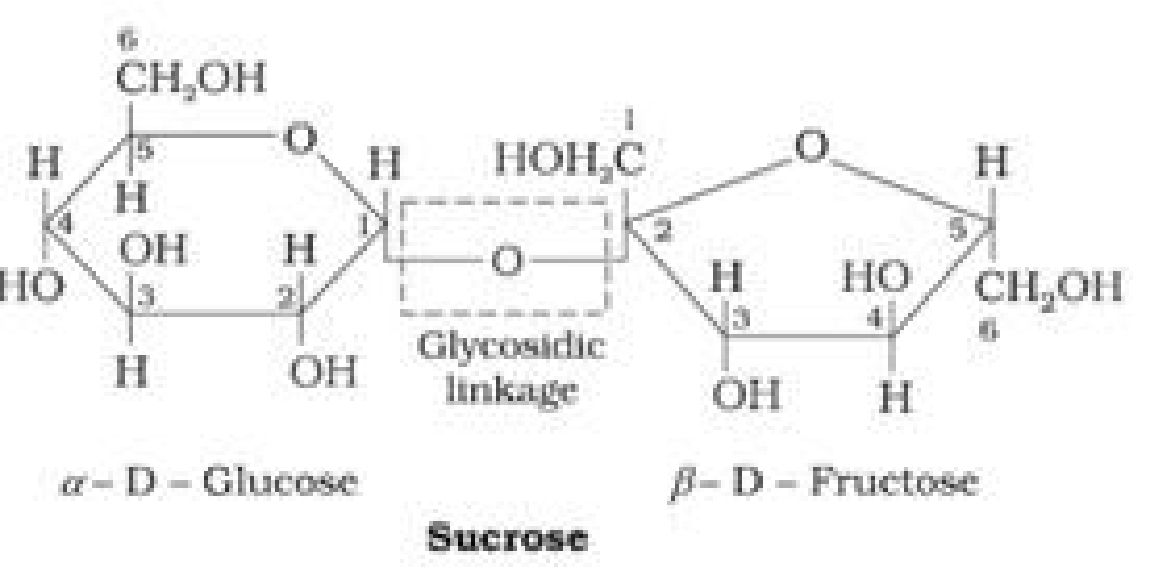
    • Glycosidic linkage: The oxide linkage formed by the loss of a water molecule when
      two monosaccharides are joined together through oxygen atom is called glycosidic
      linkage. [1]
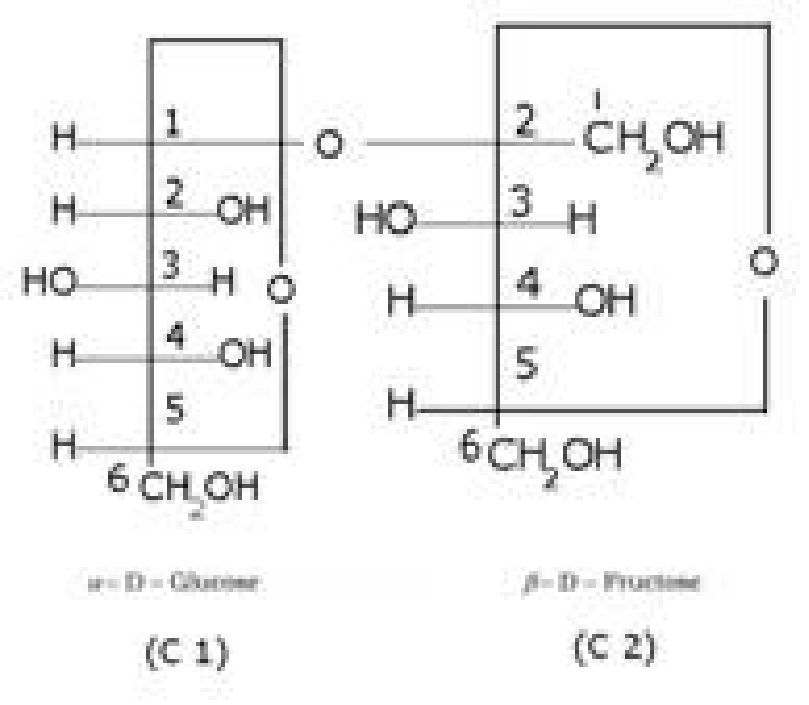
    1. Sucrose is a non-reducing sugar because the two monosaccharide units are held together
      by a glycosidic linkage between C1 of ct-glucose and C2 of /3- fructose. Since the reducing
      groups of glucose and fructose are involved in glycosidic bond formation, sucrose is a non-
      reducing sugar.

    1. Sucrose is dextrorotatory but on hydrolysis it gives dextrorotatory & laevorotatory and the
      mixture is laevorotatory.

    ^CiHu°i+CRu0
    D-%izcon D- r>urtare
    [*.;.,-+:V^ IafcrJH^

    • Haworth Projection of Sucrose:
    • Haworth projection of maltose:

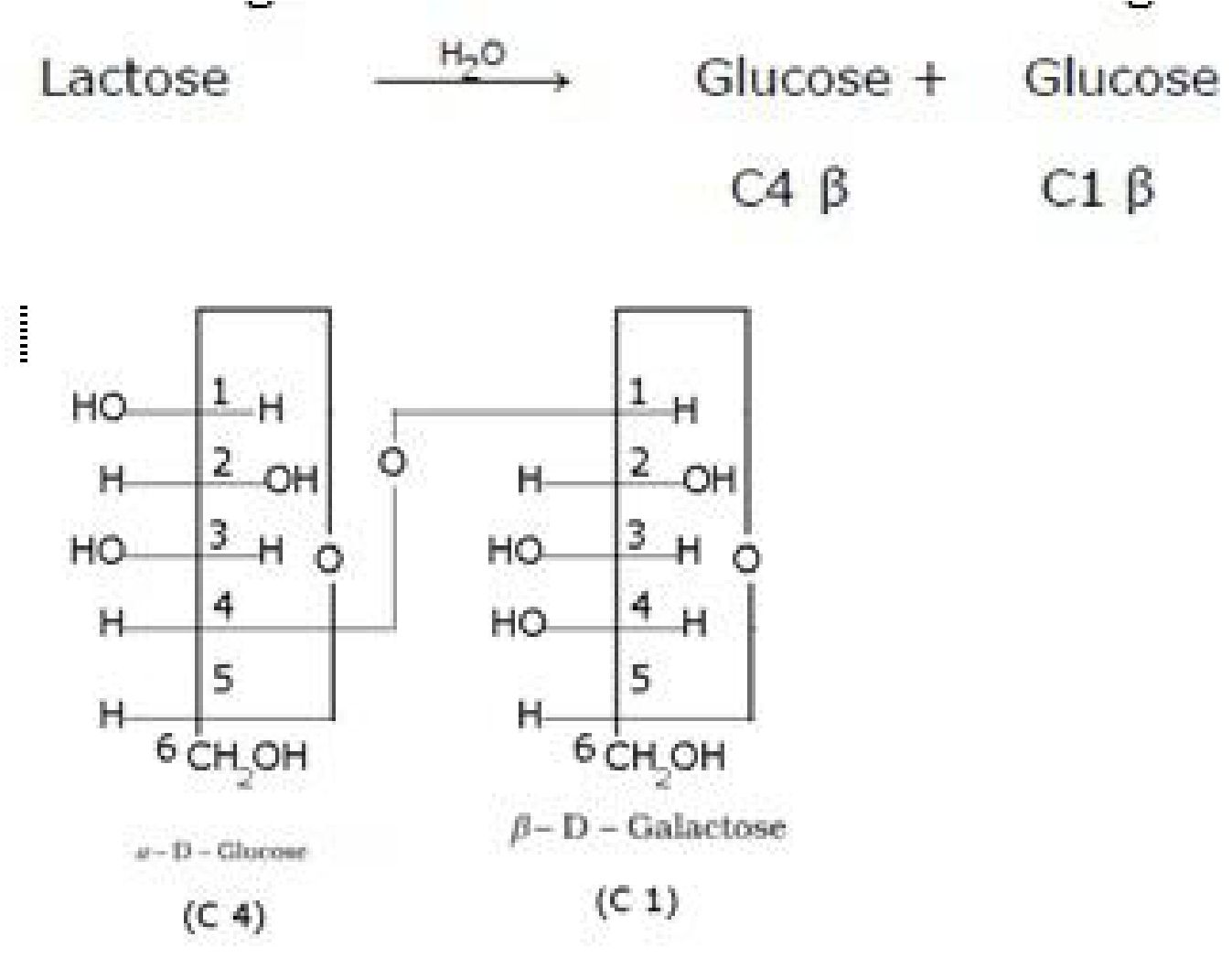
    • Lactose (Milk sugar):It is composed of p-D-galactose and p-D-glucose. The linkage is
    between C1 of galactose and C4 of glucose. Hence it is also a reducing sugar.
    • Haworth projection of lactose:

    • Starch: It is a polymer of -glucose and consists of two components — Amylose and
      Amylopectin.
    • Amylose:
    1. It is a water soluble component
    2. It is a long unbranched chain polymer
    3. It contains 200 – 1000 a-D-(+)- glucose units held by a- glycosidic linkages involving C1 –
      C4glycosidic linkage
    4. It constitutes about 15-20% of starch
    • Amylopectin
    1. It is a water insoluble component
    2. It is branched chain polymer
    3. It forms chain by C1 – C4glycosidic linkage whereas branching occurs by C1 –
      C6glycosidic linkage
    4. It constitutes about 80-85% of starch
    • Cellulose:
    1. It occurs exclusively in plants.
    2. It is a straight chain polysaccharide composed only of /3-D-glucose units which are joined
      by glycosidic linkage between C1 of one glucose unit and C4 of the next glucose unit.
    • Glycogen:
    1. The carbohydrates are stored in animal body as glycogen.
    2. It is also known as animal starch because its structure is similar to Amylopectin.
    3. It is present in liver, muscles and brain.
    4. When the body needs glucose, enzymes break the glycogen down to glucose.

    • Amino acids:

    Amino acids contain amino (-NH2) and carboxyl (-COOH) functional groups.

    R-CH-COOH

    L

    Where R – Any side chain

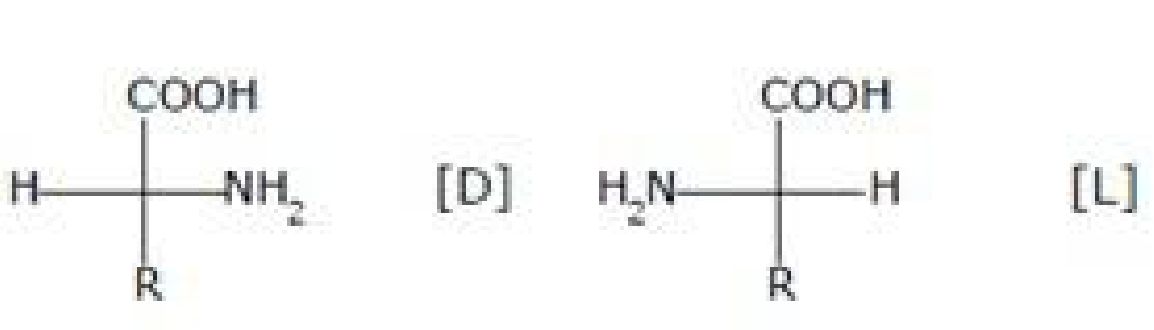
    Most naturally occurring amino acids have L – Config.
    • Types of amino acids:

    a). Essential amino acids: The amino acids which cannot be synthesised in the body and
    must be obtained through diet, are known as essential amino acids. Examples: Valine,
    Leucine

    1. . Non-essential amino acids: The amino acids, which can be synthesised in the body, are
      known as non-essential amino acids. Examples: Glycine, Alanine

    • Zwitter ion form of amino acids:

    1. Amino acids behave like salts rather than simple amines or carboxylic acids. This
      behaviour is due to the presence of both acidic (carboxyl group) and basic (amino group)
      groups in the same molecule. In aqueous solution, the carboxyl group can lose a proton
      and amino group can accept a proton, giving rise to a dipolar ion known as zwitter ion.
      This is neutral but contains both positive and negative charges.
    2. In zwitter ionic form, amino acids show amphoteric behaviour as they react both with
      acids and bases.

    O O

    R-CH-C-O-H^R- CH-C-O-

    jffiR W1

    2 j

    ■JSi iiii^ ioa^
    • Isoelectronic point: The pH at which the dipolar ion exists as neutral ion and does
      not migrate to either electrode cathode or anode is called isoelectronic point.
    • Proteins: Proteins are the polymers of a-amino acids and they are connected to each
      other by peptide bond or peptide linkage. A polypeptide with more than hundred
      amino acid residues, having molecular mass higher than 10,000u is called a protein.
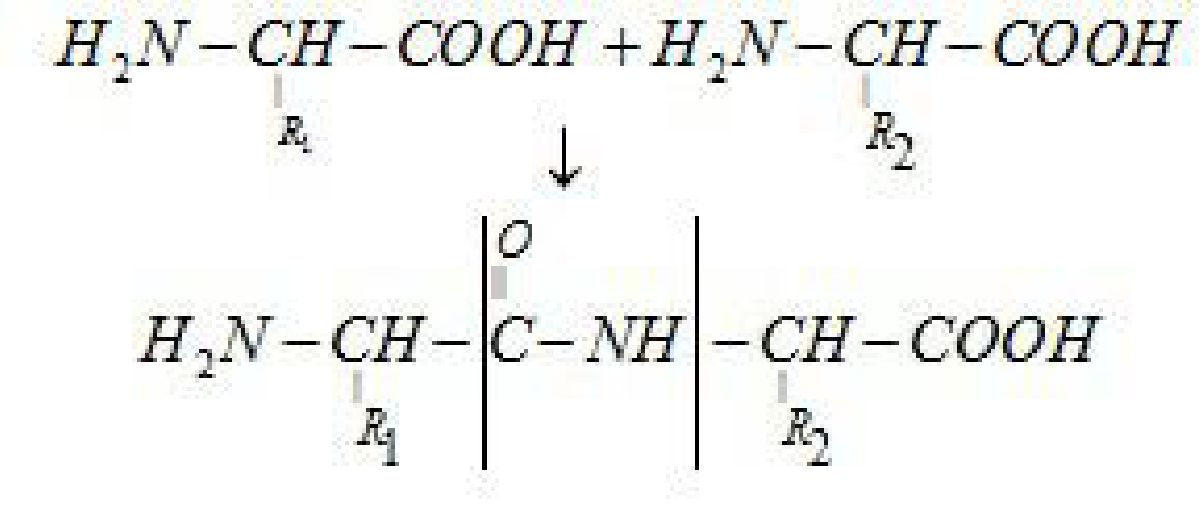
    • Peptide linkage: Peptide linkage is an amide linkage formed by condensation
      reaction between -COOH group of one amino acid and -NH2 group of another amino
      acid.

    Peptide link age

    • Primary structure of proteins: The sequence of amino acids is said to be the primary
      structure of a protein.
    • Secondary structure of proteins: It refers to the shape in which long polypeptide
      chain can exist. Two different types of structures:

    a- Helix:

    1. It was given by Linus Pauling in 1951
    2. It exists when R- group is large.
    3. Right handed screw with the NH group of each amino acid residue H – bonded to – C = O
      of adjacent turn of the helix.
    4. Also known as 3.613 helix since each turn of the helix hasapproximately 3.6 amino acids

    and a 13 – membered ring is formed by H – bonding.

    1. C = O and N – H group of the peptide bonds are trans to each other.
    2. Ramchandran angles ($and^) – $angle which C^makes with N – H and Wangle which
      (7amakes with C = O.

    /3- pleated sheet:

    1. It exists when R group is small.
    2. In this conformation, all peptide chains are stretched out to nearly maximum extension
      and then laid side by side which are held together by hydrogen bonds.
    • Tertiary structure of proteins: It represents the overall folding of the polypeptide
      chain i.e., further folding of the 2° structure.
    • Types of bonding which stabilize the 3° structure:
    1. Disulphide bridge (-S – S-)
    2. H – bonding – (C = O … H – N)
    3. Salt bridge (COO- … + NH^)
    4. Hydrophobic interactions
    5. van der Waals forces
    • Two shapes of proteins:

    Fibrous proteins

    1. When the polypeptide chains run parallel and are held together by hydrogen and
      disulphide bonds, then fibre- like structure is formed.
    2. These proteins are generally insoluble in water
    3. Examples: keratin (present in hair, wool, silk) and myosin (present in muscles), etc
      Globular proteins
    4. This structure results when the chains of polypeptides coil around to give a spherical
      shape.
    5. These are usually soluble in water.
    6. Examples: Insulin and albumins
    • Quaternary structure of proteins:
    1. Some of the proteins are composedof two or more polypeptide chains referred to as sub-
      units.
    2. The spatial arrangement of these subunits with respect to each other is known as
      quaternary structure of proteins.
    • Denaturation of proteins:
    1. The loss of biological activity of proteins when a protein in its native form, is subjected to
      physical change like change in temperature or chemical change like change in pH. This is
      called denaturation of protein.
    2. Example: coagulation of egg white on boiling, curdling of milk.
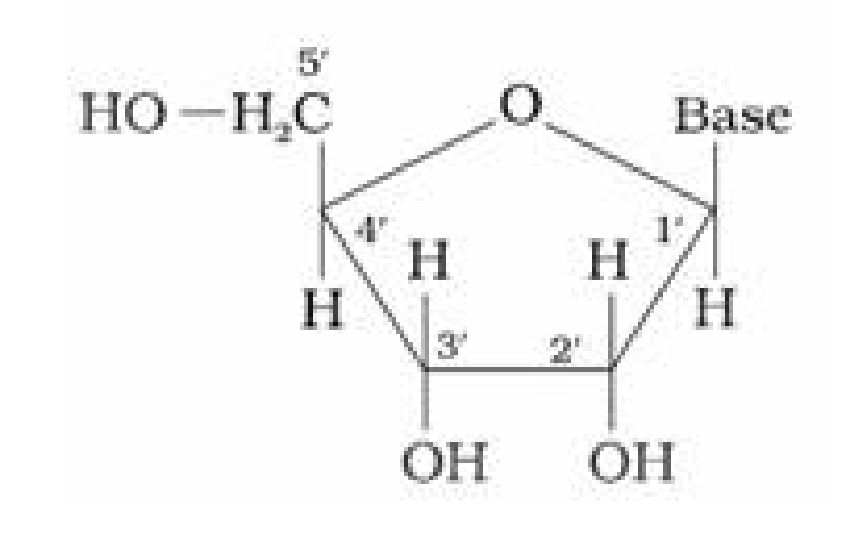
    • Nucleoside:

    1. Base + sugar

    • Nucleotide:

    1. Base + sugar + phosphate group

    1. Long chain polymers ofnucleotides.
    2. Nucleotides are joined by phosphodiester linkage between 5’ and 3’ C atoms of a pentose
      sugar.
    • Two types of nucleic acids:

    DNA

    1. It has a double stranded ct-helix structure in which two strands are coiled spirally in
      opposite directions.
    2. Sugar present is /3-D-2-deoxyribose
    3. Bases:
    4. Purine bases: Adenine (A) and Guanine (G)
    5. Pyrimidine bases: Thymine (T) and cytosine (C)
    6. It occurs mainly in the nucleus of the cell.
    7. It is responsible for transmission for heredity character.

    RNA

    1. It has a single stranded a-helix structure.
    2. Sugar present is /3-D-ribose
    3. Bases:
    4. Purine bases: Adenine (A) and Guanine (G)
    5. Pyrimidine bases: Uracil (U) and cytosine (C)
    6. It occurs mainly in the cytoplasm of the cell.
    7. It helps in protein synthesis.
    • Double helix structure of DNA:
    1. It is composed of two right handed helical polynucleotide chains coiled spirally in
      opposite directions around the same central axis.
    2. Two strands are anti-parallel i.e., their phosphodiester linkage runs in opposite
      directions.
    3. Bases are stacked inside the helix in planes _Lto the helical axis.
    4. Two strands are held together by H – bonds (A = T, G =C).
    5. The two strands are complementary to each other because the hydrogen bonds are

    formed between specific pairs of bases.

    1. Adenine forms hydrogen bonds with thymine whereas cytosine forms hydrogen bonds
      with guanine.
    2. Diameter of double helix is 2 nm.
    3. Double helix repeats at intervals of 3.4 nm. (One complete turn)
    4. Total amount of purine (A + G) = Total amount of pyramidine (C + T)
    • Vitamins: Vitamins are organic compounds required in the diet in small amounts to
      perform specific biological functions for normal maintenance of optimum growth and
      health of the organism.
    • Classification of vitamins: Vitamins are classified into two groups depending upon
      their solubility in water or fat.
    1. Water soluble vitamins
    2. These vitamins are soluble in water.
    3. Water soluble vitamins must be supplied regularly in diet because they are readily
      excreted in urine and cannot be stored (except vitamin B12) in our body.
    4. Example: Vitamin C, B group vitamins.
    5. Fat soluble vitamins
    6. These vitamins are soluble in fat and oils but insoluble in water.
    7. They are stored in liver and adipose (fat storing) tissues.
    8. Example: Vitamin A, D, E and K

    • Important vitamins, their sources and their deficiency diseases:

    Name of
    vitamins

    Sources

    Deficiency diseases

    Vitamin A

    Fish liver oil,
    carrots, butter and milk

    xerophthalmia
    (hardening of cornea of eye)
    Night blindness


    Vitamin B1
    (Thiamine)

    Yeast, milk, green
    vegetables and cereals

    Beriberi

    (loss of appetite, retarded growth)

    Vitamin B2
    (Riboflavin)

    Milk, egg white, liver,
    kidney

    Cheilosis

    (fissuring at corners of mouth and lips), digestive
    disorders and burning sensation of the skin.

    Vitamin B6
    (Pyridoxine)

    Yeast, milk, egg yolk,
    cereals and grams

    Convulsions

    Vitamin B12

    Meat, fish, egg and curd

    Pernicious anaemia

    (RBC deficient in haemoglobin)

    Vitamin C
    (Ascorbic
    acid)

    Citrus fruits, amla and
    green leafy vegetables

    Scurvy

    (bleeding gums)

    Vitamin D

    Exposure to sunlight, fish
    and egg yolk

    Rickets

    (bone deformities in children) and
    osteomalacia

    (soft bones and joint pain in adults)

    Vitamin E

    Vegetable oils like wheat
    germ oil, sunflower oil, etc.

    Increased fragility of RBCs and
    muscular weakness

    Vitamin K

    Green leafy vegetables

    Increased blood clotting time

    • Maltose:

    Maltose is composed of two a-D-glucose units in which C1 of one glucose (I) is linked to C4
    of another glucose unit (II).

    The free aldehyde group can be produced at C1 of second glucose in solution and it shows
    reducing properties so it is a reducing sugar.

    1. Sucrose (invert sugar):


  • Amines Notes for Class 12 Chemistry

    CBSE Class-12 Chemistry
    Quick Revision Notes
    Chapter 13
    Amines

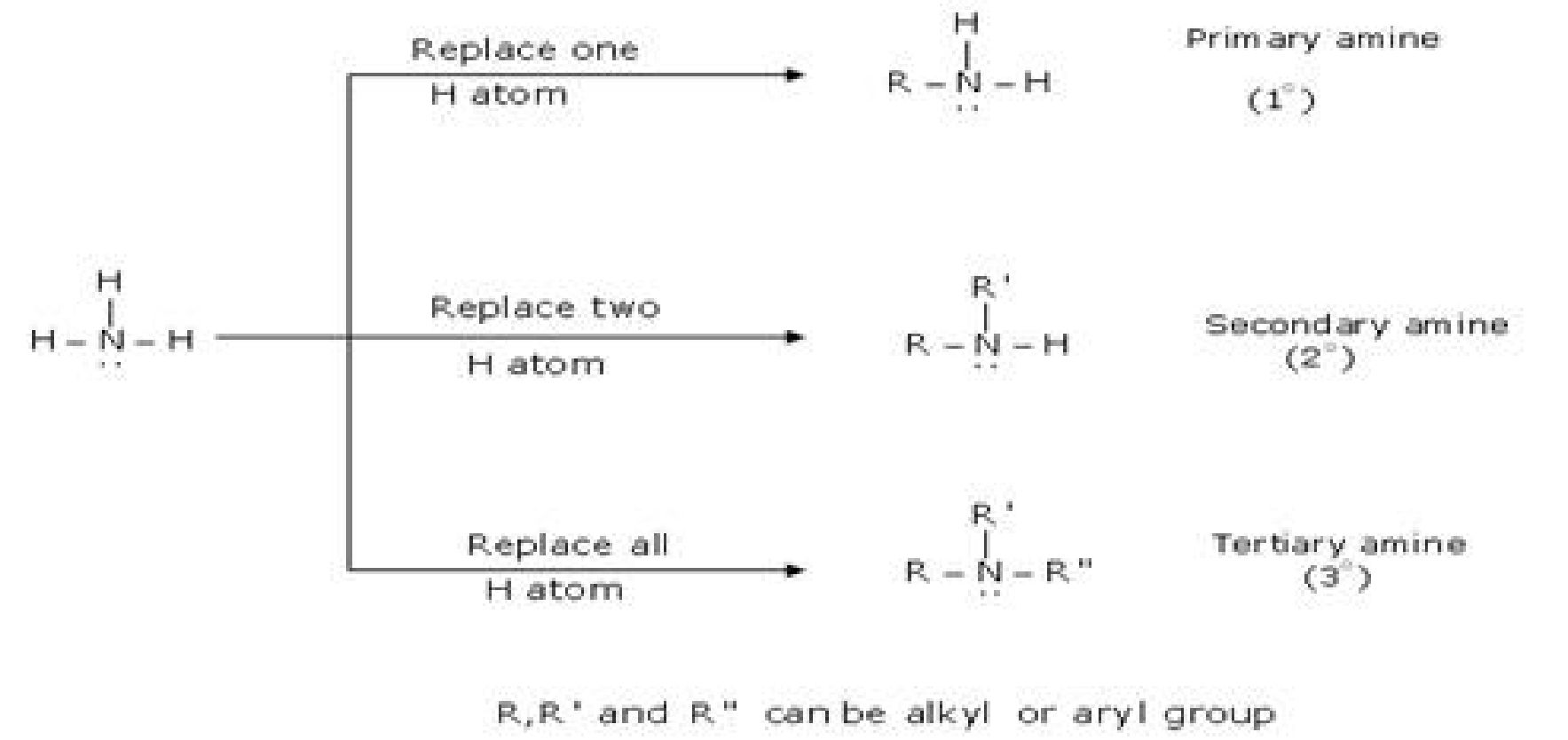
    • Amines: Amines are regarded as derivatives of ammonia in which one, two or all
    three hydrogen atoms are replaced by alkyl or aryl group.

    • Classification of amines:
    • Preparation of amines:

    (i) By reduction of nitro compounds: Nitro compounds can be catalytically reduced by
    passing hydrogen gas in presence of Raney Ni, finely divided Pt or Pd as catalyst at room
    temperature.

    Ni,Pt or pd

    a)

    Ni, Pt or pd

    b)

    Nitro compounds can also be reduced with active metals such as Fe, Sn, Zn etc. with conc.
    HCl.

    Sn/HCl or Fe/HCl

    a)

    Sn/HCl or Fe/HCl

    1. Ar — NO2 + 3.¾ >■ Ar — iVfl2 + 2.¾ 0

    (ii) By Hoffmann’s method (Ammonolysis of alkyl halides): Reaction of alkyl halides with
    an ethanolic solution of ammonia in a sealed tube at 373 K forms a mixture of primary,
    secondary and tertiary amine and finally quarternary ammonium salt. Process of cleavage of
    C-X bond by ammonia is called ammonolysis.

    +■ —

    RNH2 > R2NH fl: > R3N K>: > S4 A7 X

    (£) (2e) (je) Q*at9T#nrj/.

    3Tjy.PT.LUTL E-L |[ I

    • The free amine can be obtained from the ammonium salt by treatment with a strong
      base:

    NaOH

    a)

    (l°a min e)

    NaOH

    b)

    (2°amine)

    NaOH

    c)

    (3° a min e)

    • Order of reactivity of halides is: RI>RBr>RCl
    • Larger the size of halogen atom easier is the cleavage of R-X bond
    • Limitations of Hoffmann’s method: Method gives mixture of amines which are
      difficult to separate in a laboratory.
    • Methods to get only one product by Hoffmann’s method:
    1. When ammonia is taken in excess primary amine is formed as main product
    2. When alkyl halide is used in excess quarternary ammonium salt is formed as main
      product.

    Method is not suitable for preparation of aryl amines because aryl amines are relatively less
    reactive than alkyl halides towards nucleophilic substitution reactions.

    1. By reduction of nitriles: Nitriles can be reduced to amines using H2 / Ni , LiAlH4 or
      Na(Hg) / C2H5 OH

    H2/Ni

    Or

    Na(Hg)/C2H5OH

    Or

    LiAlHt

    R-C = N >R-CH2 -NH2

    1. By reduction of amides: Amides are reduced to corresponding amines by LiAlH4

    1. By Gabriel phthalimide synthesis: Gabriel synthesis is used for the preparation of
      primary amines. When phthalimide is treated with ethanolic potassium hydroxide, it forms
      potassium salt of phthalimide which on heating further with alkyl halide followed by
      alkaline hydrolysis produces the corresponding primary amine.

    Aromatic primary amines cannot be prepared by this method because aryl halides do not
    undergo nucleophilic substitution with potassium phthalimide.

    1. By Hoffmann bromamide degradation reaction: Primary amines can be prepared from
      amides by treatment with Br2 and KOH. Amine contains one carbon atom less than the

    parent amide.

    0

    Il

    R C- NH2 + Br2 + ANaOH

    i

    R NH2 + Na2 CO2 + 2 NaBr + 2 H2O

    Physical properties of amines:

    1. Solubility: Lower aliphatic amine is soluble in water because they can form hydrogen
      bonding with water. Solubility decreases with increases in molar mass of amines due to
      increase in size of hydrophobic group
    2. Boiling points: Among the isomeric amines primary and secondary amines have high
      boiling point because they can form hydrogen bonding. Tertiary amine cannot form
      hydrogen bonding due to the absence of hydrogen atom available for hydrogen bond
      formation. Hence order of boiling of isomeric amines is Primary>Secondary> Tertiary

    • Chemical properties of amines:

    1. Basic character of amines: Amines have an unshared pair of electrons on nitrogen atom
      due to which they behave as Lewis base. Basic character of amines can be better understood
      in terms of their Kb and pKb values

    R – NH2 + H2O <* R – NH3 + OH

    [.R-NHz][OH]
    [R-NH2][H20\

    [R-NHs][OH]

    Or K[H20] =

    [R-NH2]

    _ [R-NH3][OH]
    b [R-NH2]

    pKb = -Iogif6

    Greater Kb value or smaller pKb indicates base is strong.

    1. Comparison of basic strength of aliphatic amines and ammonia: Aliphatic amines are
      stronger bases than ammonia due to +I effect of alkyl groups leading to high electron density
      on the nitrogen atom.
    2. Comparison of basic strength of primary, secondary and tertiary amines

    (i) The order of basicity of amines in the gaseous phase follows the expected order on the

    basis of +I effect: tertiary amine > secondary amine > primary amine > NH3

    (ii) In aqueous solution it is observed that tertiary amines are less basic than either primary
    or secondary amines. This can be explained on basis of following factors:

    1. Solvation effect: Greater is the stability of the substituted ammonium cation formed,
      stronger is the corresponding amine as a base. Tertiary ammonium ion is less hydrated than
      secondary ammonium ion which is less hydrated than primary amine. Thus tertiary amines
      have fewer tendencies to form ammonium ion and consequently are least basic.

    On the basis of solvation effect order of basicity of aliphatic amines should be primary
    amine>secondary amine>tertiary amine.

    1. Steric factor: As the crowding of alkyl group increases from primary to tertiary amine
      hinderance to hydrogen bonding increases which eventually decreases the basic strength.
      Thus there is a subtle interplay of the inductive effect, solvation effect and steric hinderance
      of the alkyl group which decides the basic strength of alkyl amines in the aqueous state.
      When the alkyl group is small like CH3 there is no steric hindrance to hydrogen bonding. In

    this case order of basicity in aqueous medium is

    (CH3)2NH > CH3NH2 > (CH3)3N > NH3

    When alkyl group is ethyl group order of basicity in aqueous medium is

    (C2H5)2NH > (C2H5)3N > C2H5NH2 > NH3
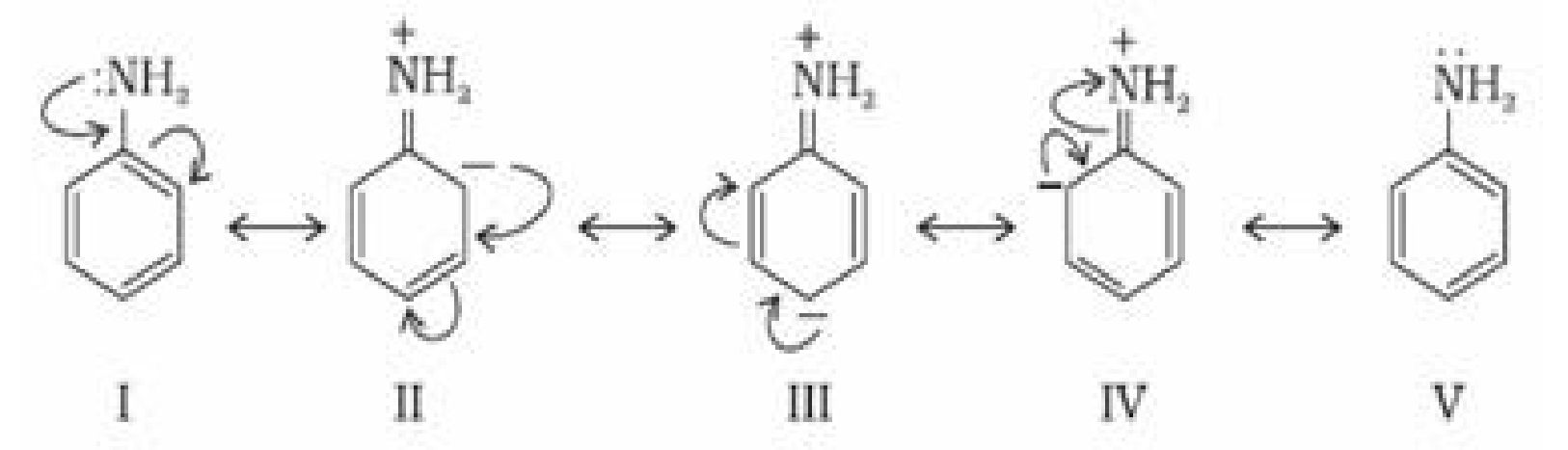
    1. Comparison of basic strength of aryl amines and alkylamines: Generally aryl amines are
      considerably less basic than alkyl amines .Taking an example of aniline and ethylamine it is
      observed that ethyl amine is more basic than aniline. In aniline -NH2 group is directly
      attached to benzene ring. Hence unshared pair of electron on nitrogen is less available for
      protonation because of resonance. Below mentioned are resonating structures of aniline.

    In the above resonating structures there is a positive charge on nitrogen atom making the
    lone pair less available for protonation. Hence aniline is less basic than ethyl amine which

    has no resonating structures. Less basicity of aniline can also be explained by comparing the
    relative stability of aniline and anilinium ion obtained by accepting a proton. Greater the
    number of resonating structures, greater is the stability of that species.

    Aniline is resonance hybrid of five resonating structures whereas anilinium ion has only two
    resonating structures.
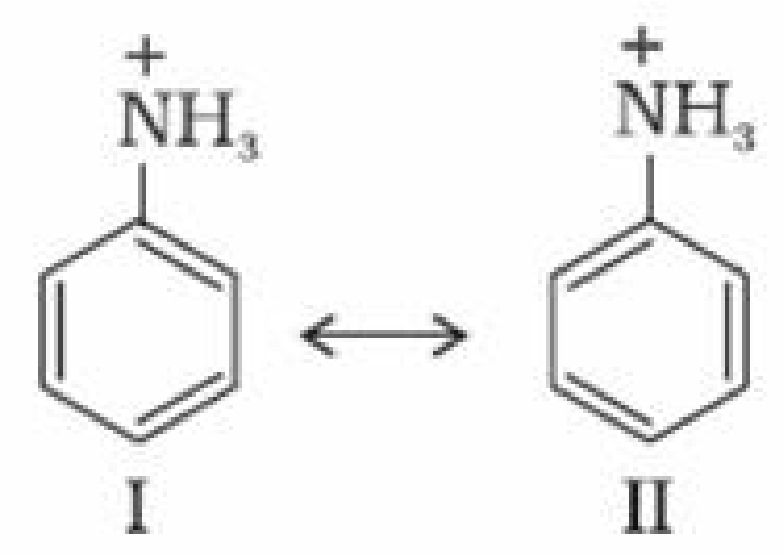
    Thus aniline has less tendency to accept a proton to form anilinium ion.
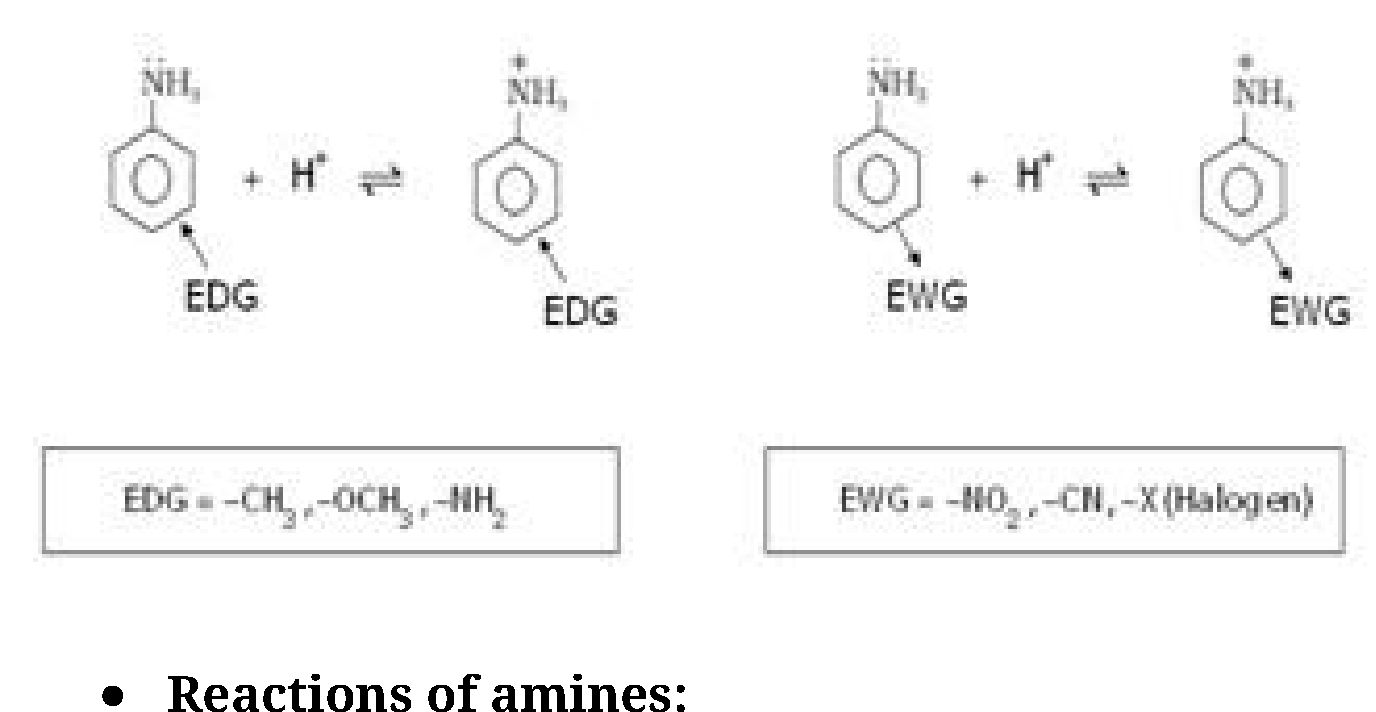
    1. Effect of substituent on basic character of amines: Electron donating or electron releasing
      group/groups (EDG) increases basic strength while electron withdrawing (EWG) decreases
      basic strength.

    a) Acylation Reaction: Aliphatic and aromatic primary and secondary amines (which
    contain replaceable hydrogen atoms) react with acid chlorides, anhydrides and esters to
    form substituted amide. Process of introducing an acyl group (R-CO-) into the molecule is
    called acylation. The reaction is carried out in the presence of a stronger base than the
    amine, like pyridine, which removes HCl formed and shifts the equilibrium to the product
    side.

    Base

    R – NH2 + RCOCl > RNHCOR + HCl

    Add chloride Substituted amide
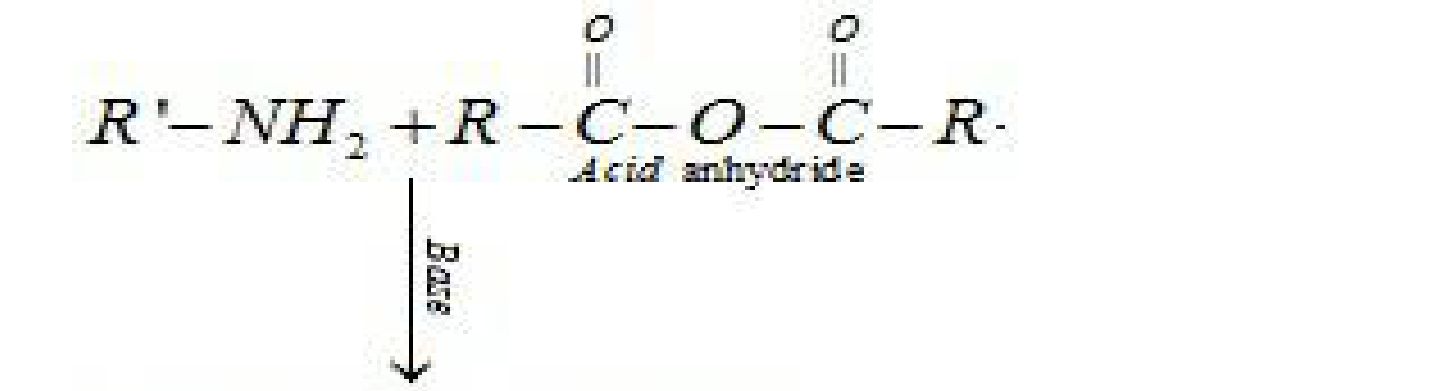
    R ‘NHCOR+ RCOOH

    ^Li bzmwed em^

    R2 NH + RCOCl — ——* HCl

    Since tertiary amine do not contain replaceable hydrogen atom they do not undergo
    acylation reaction.

    b) Carbylamine reaction: Only aliphatic and aromatic primary amines on heating with
    chloroform and ethanolic potassium hydroxide form isocyanides or carbylamines.

    R NH0 + CHCl + 3 KOH

    2. .-

    |

    1 F

    R NC + 3KCl + ^H2O

    Secondary and tertiary amines do not give the above test.

    1. Reaction of primary amine with nitrous acid:

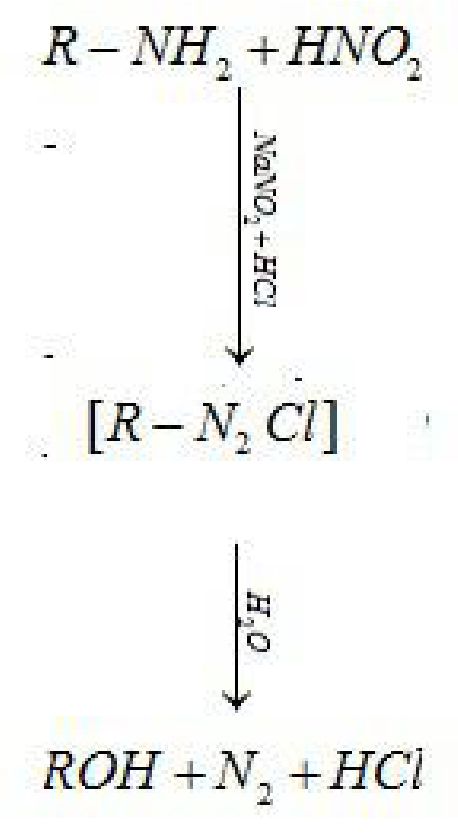
    (i) Primary aliphatic amine on reaction with nitrous acid (HNO2) forms aliphatic
    diazoniumsalt which decomposes to form alcohol and evolve nitrogen.
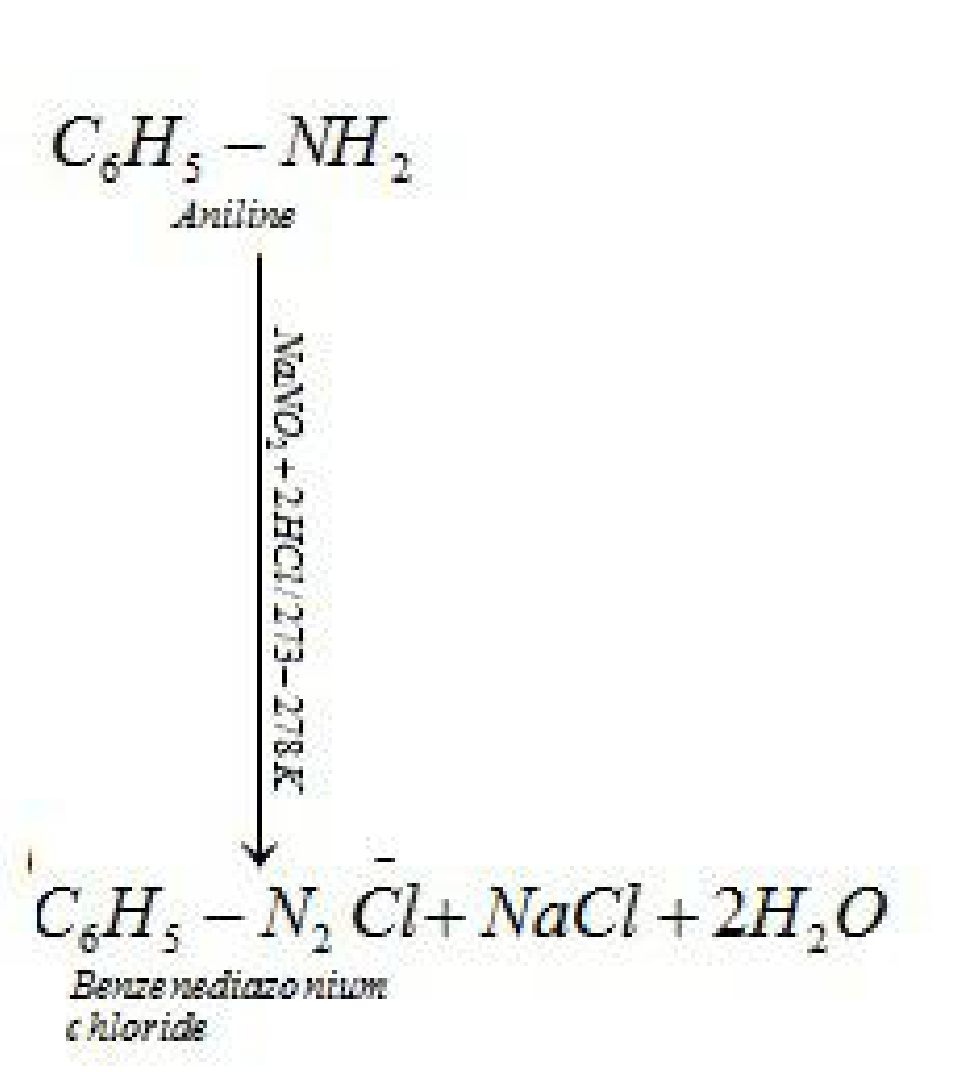
    (ii) Primary aromatic amines react with nitrous acid (HNO2) in cold (273-278 K) to form
    diazonium salt.
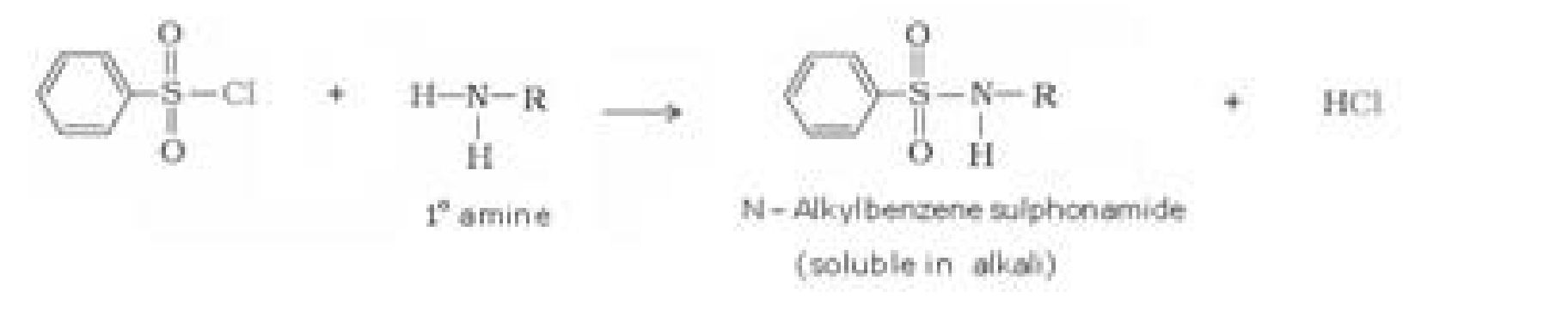
    1. Reaction with benzene sulphonyl chloride: Hinsberg’s reagent-Benzenesulphonyl chloride
      (C6H5SO2Cl) reacts with primary and secondary amines to form sulphonamides.

    The hydrogen attached to nitrogen in sulphonamide formed by primary amine is strongly
    acidic due to the presence of strong electron withdrawing sulphonyl group. Hence, it is
    soluble in alkali.

    Since sulphonamide formed by secondary amine does not contain any hydrogen atom
    attached to nitrogen atom, so it is not acidic. Hence it is insoluble in alkali.

    • Ring substitution in aromatic amine: Aniline is more reactive than benzeneand
    undergoes electrophilic substitution reaction preferably at ortho and para position.

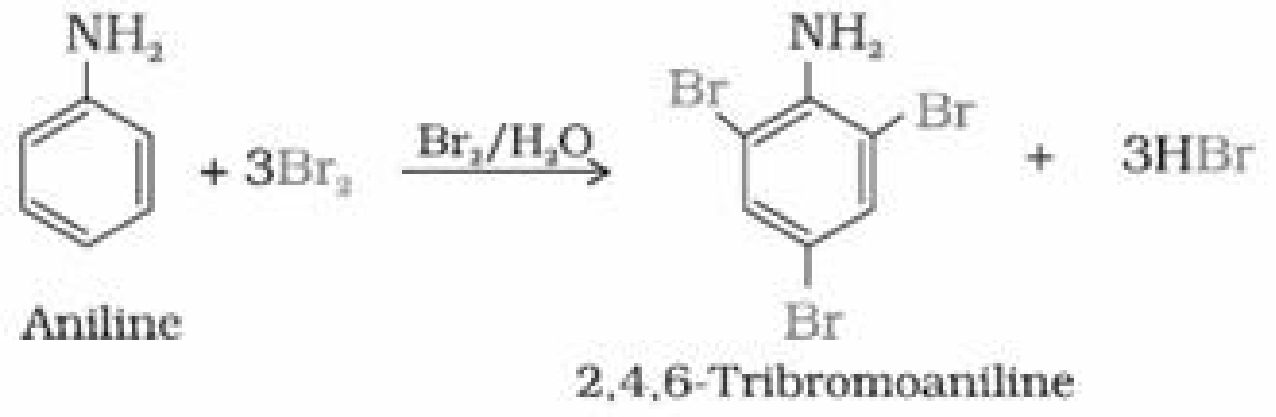
    (i) Bromination: Aniline reacts with bromine water at room temperature to give a white
    precipitate of 2, 4, 6-tribromoaniline
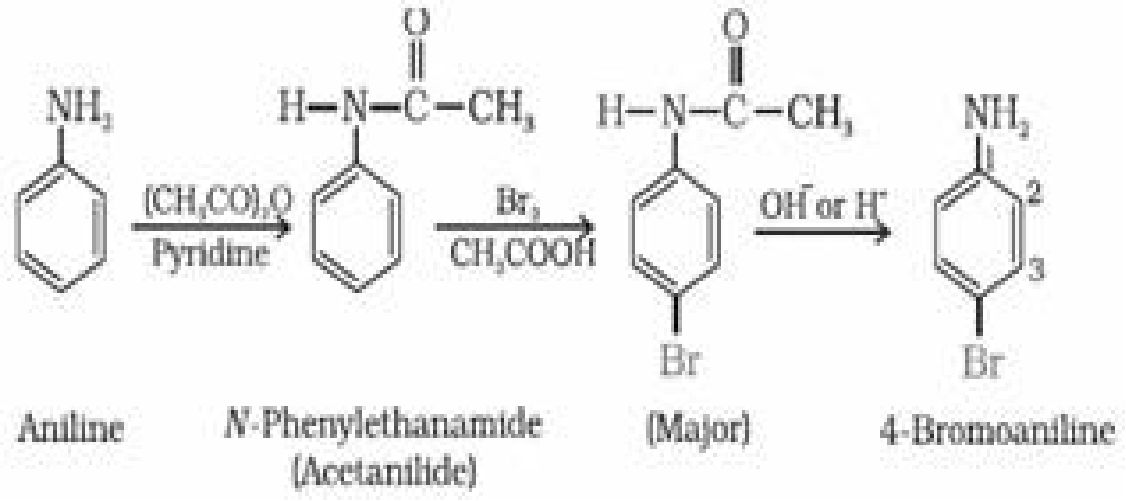
    In order to stop reaction at monosubstitution activating effect of -NH2 group is reduced by
    acetylation. This prevents di and tri substituted products. Acetyl group is removed by
    hydrolysis.
    (ii) Nitration:

    (a) Under strongly acidic medium aniline gets protonated to form anilinium ion, which is
    deactivating group and is meta directing. Hence minitroaniline is also formed in 47% along
    with ortho and para products.
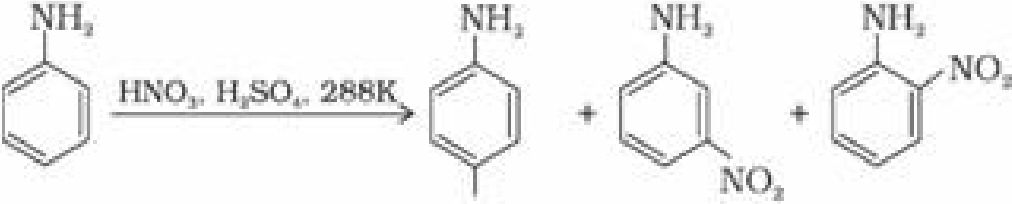
    NOj

    (51¾) (47%) (2%)

    Aromatic amines cannot be nitrated directly because HNO3 being a strong oxidising agent
    oxidises it forming black mass.

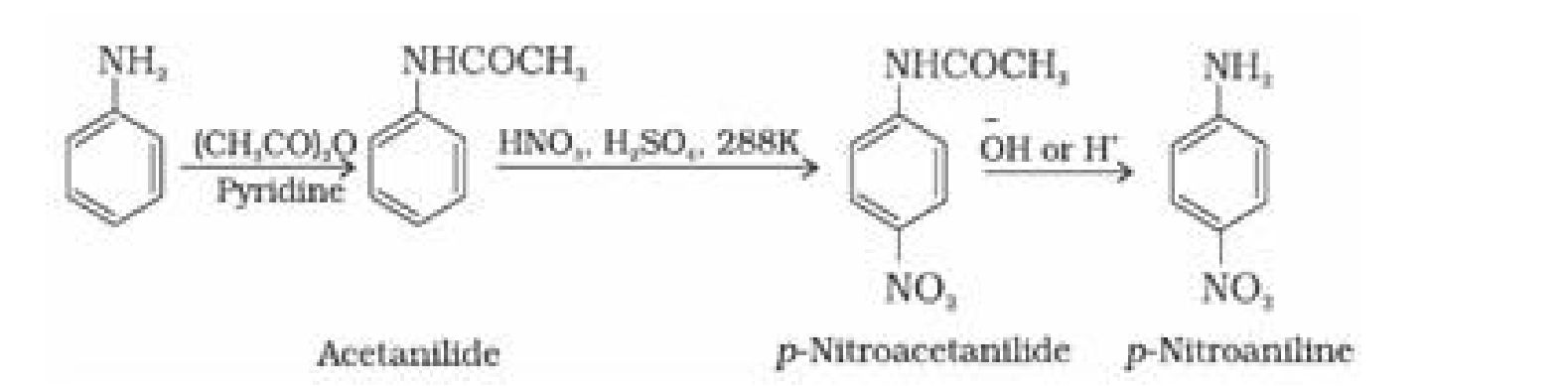
    (b) Nitration by protecting the -NH2 group by acetylation reaction with acetic anhydride:
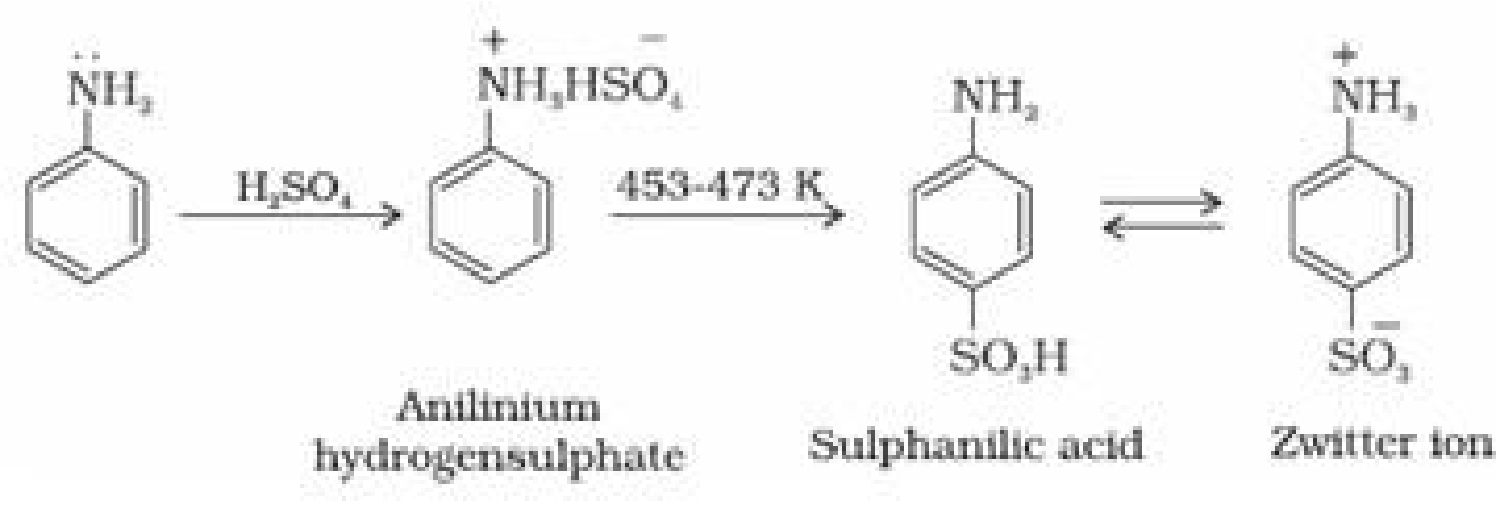
    iii) Sulphonation: Aniline reacts with conc. H2SO4 to form aniliniumhydrogensulphate which

    on heating with sulphuric acid at 453-473K produces p-aminobenzenesulphonic acid,
    commonly known as sulphanilic acid, as the major product.
    • Reactions ofbenzene diazonium chloride:

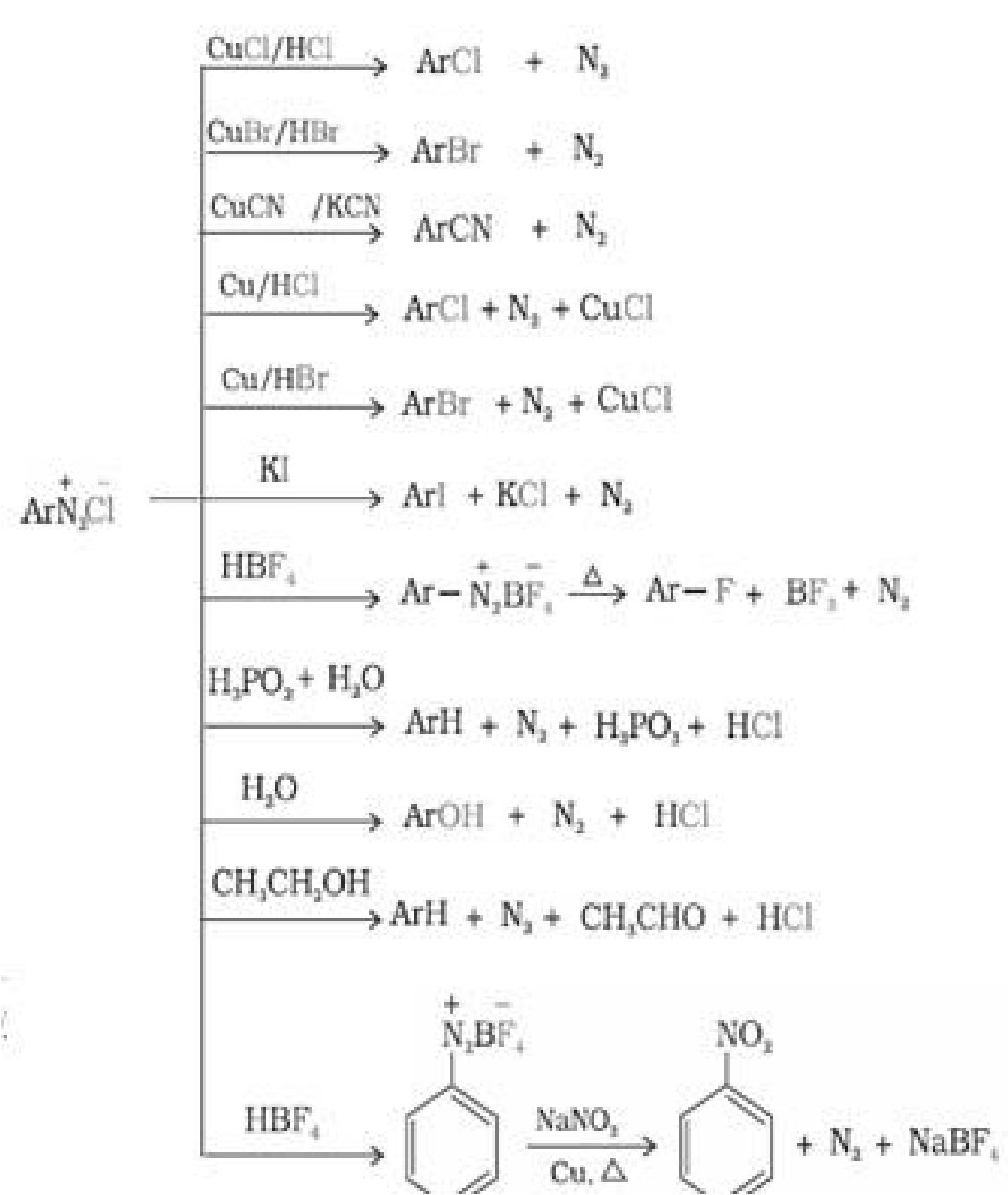
    a) Reactions involving displacement of nitrogen:
    Material Downloaded From SUPERCOP

    / 11

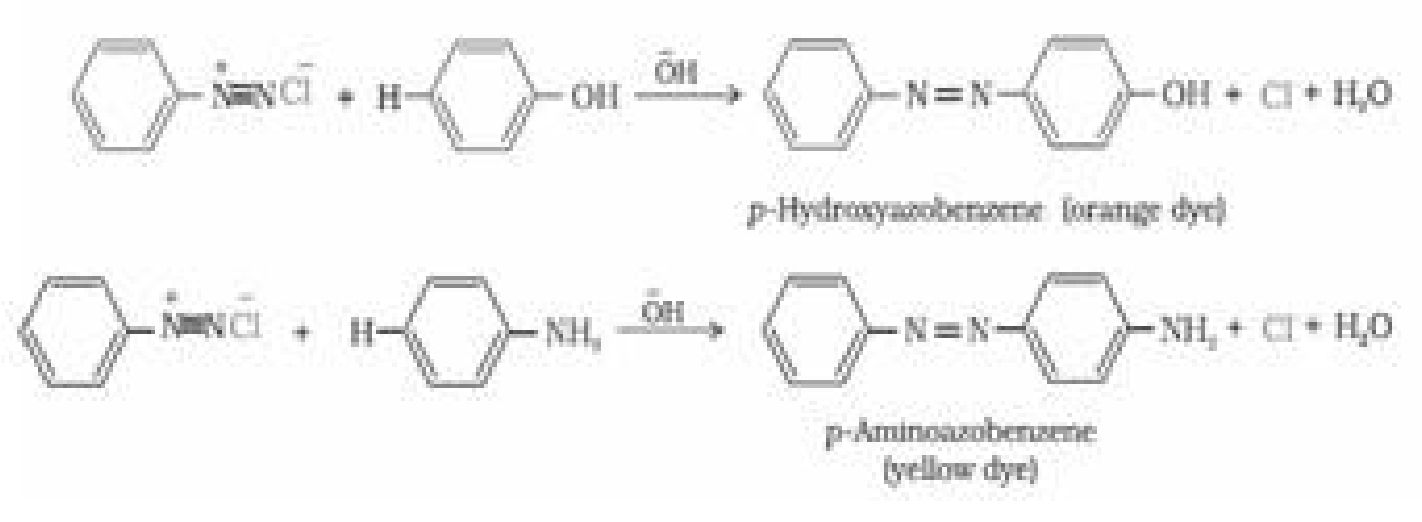
    b) Reactions involving retention of diazo group, coupling reactions: Diazonium ion
    acts as an electrophile because there is a positive charge on terminal nitrogen.
    Therefore benzene diazonium chloride couples with electron rich compounds like
    phenol and aniline to give azo compounds. Azo compounds contain -N=N- bond and
    reaction is coupling reaction.