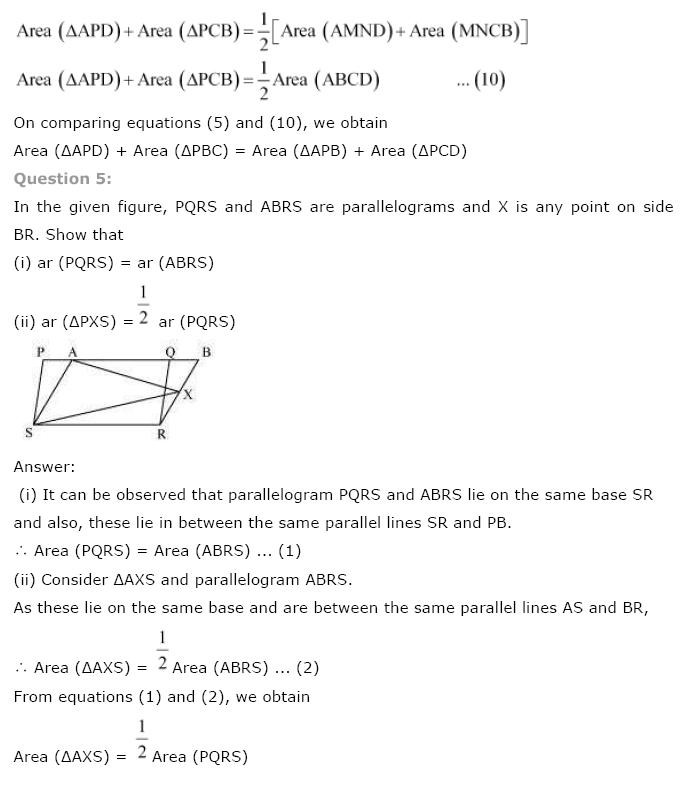
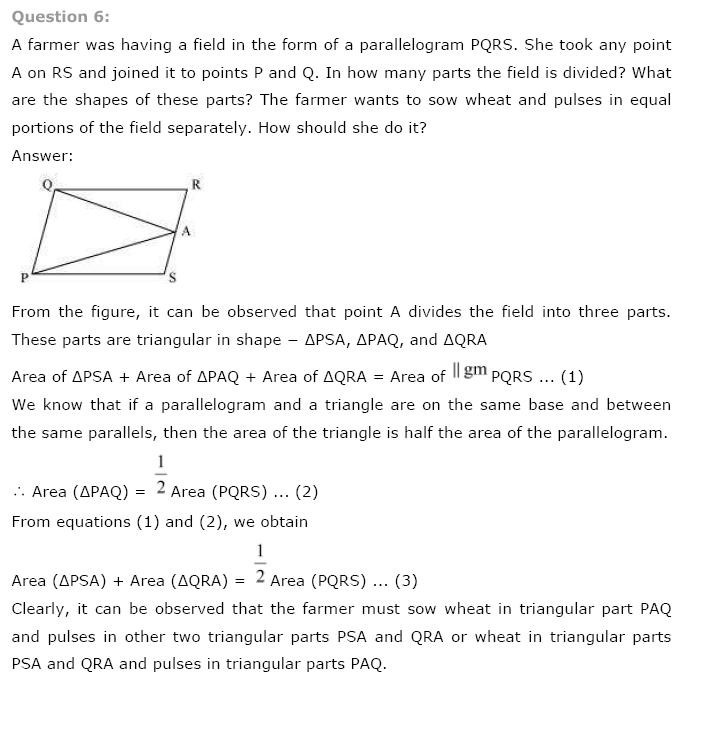
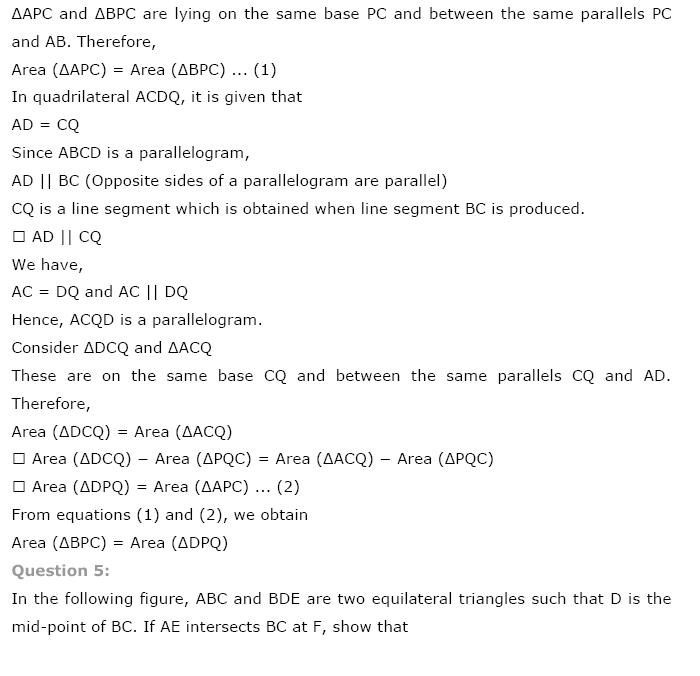
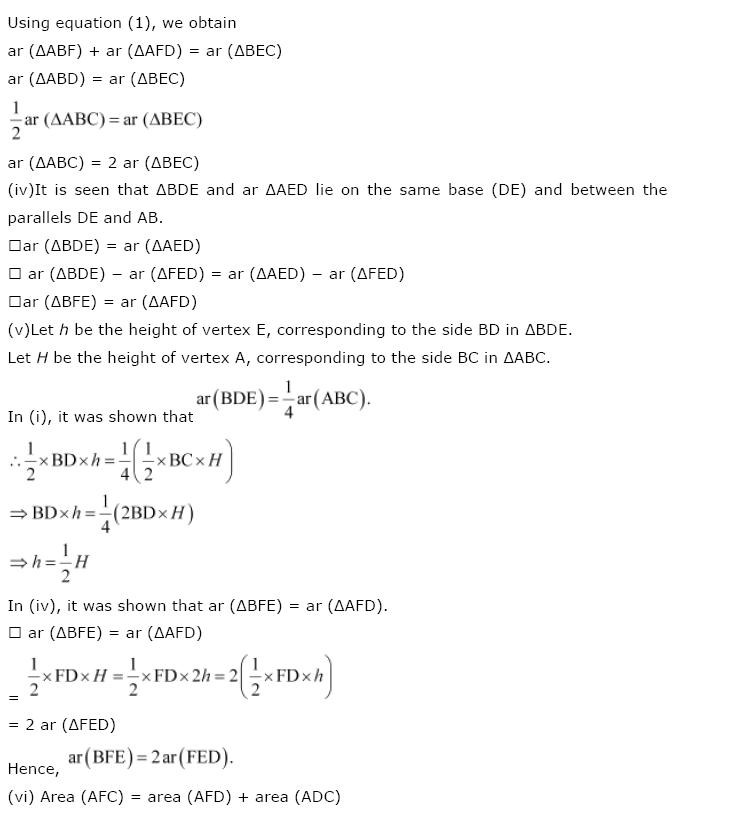
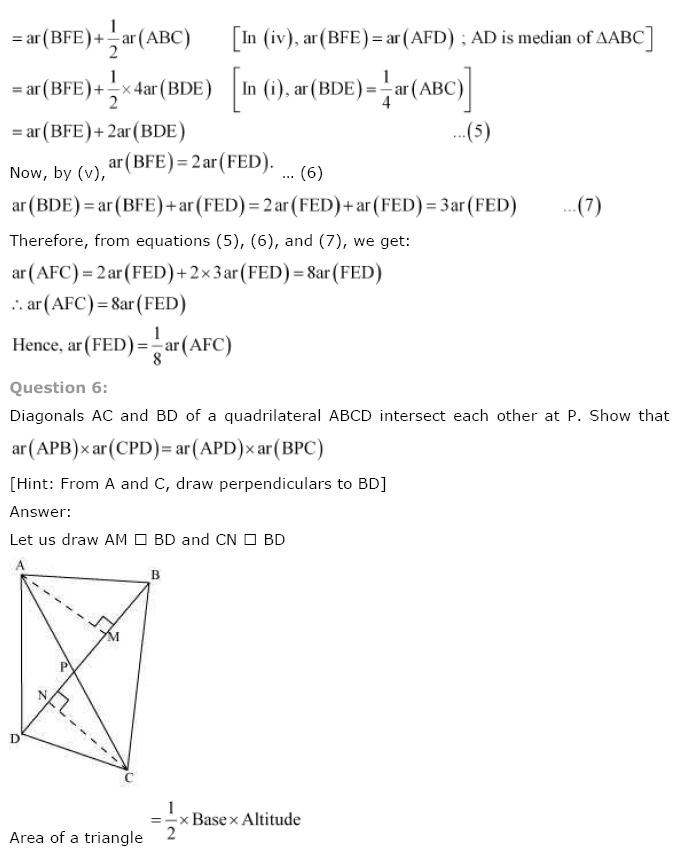
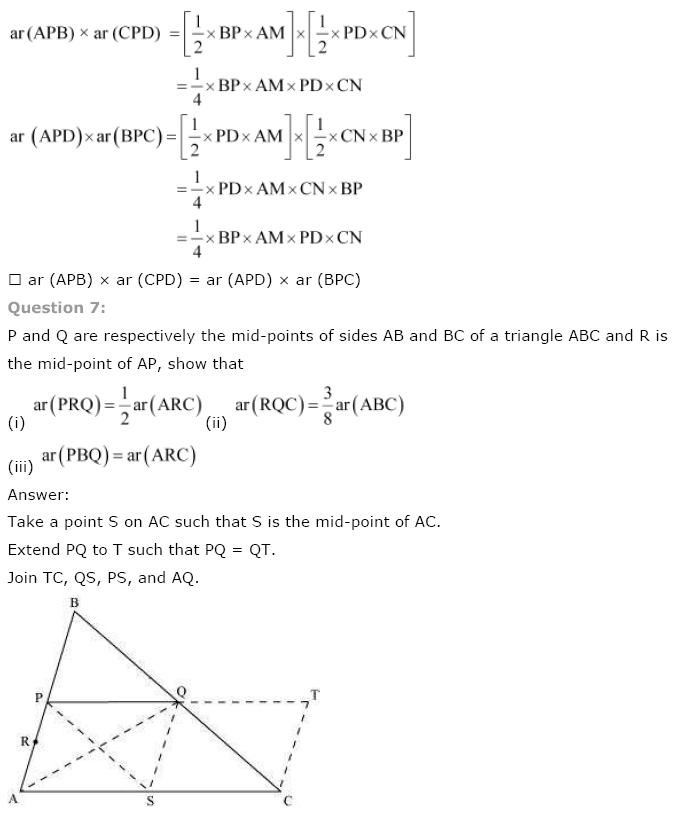
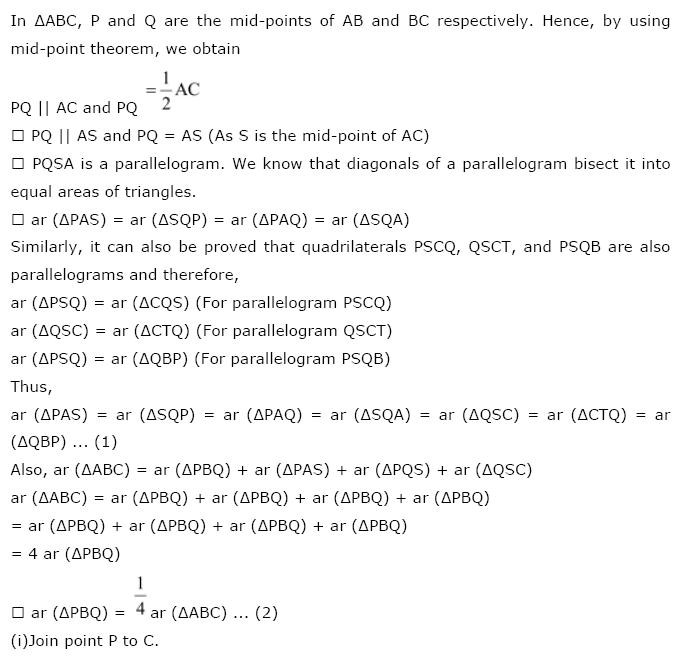
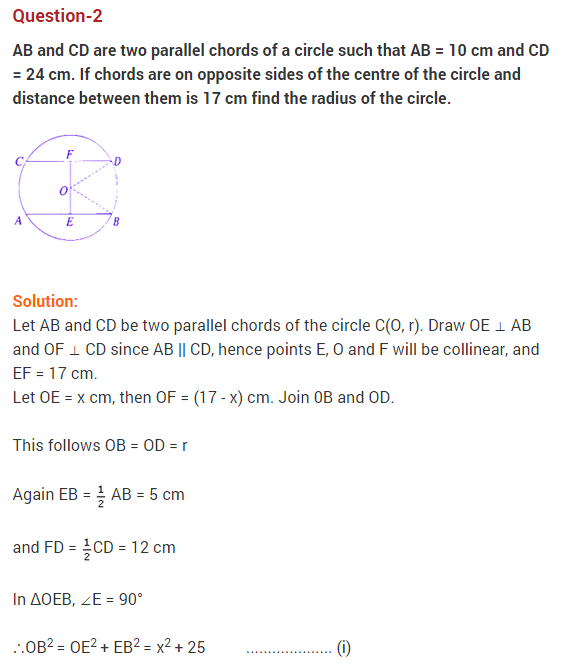
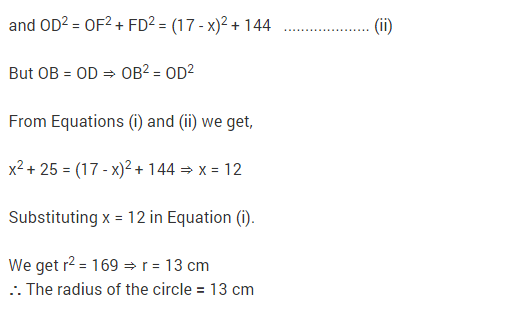
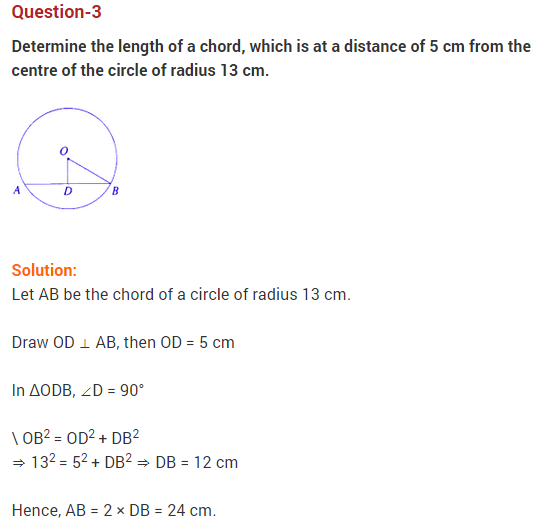
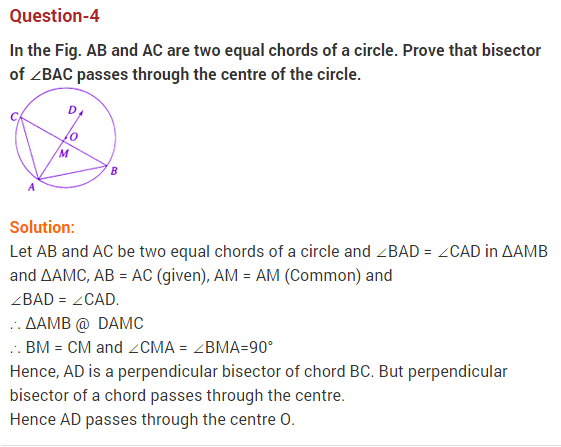
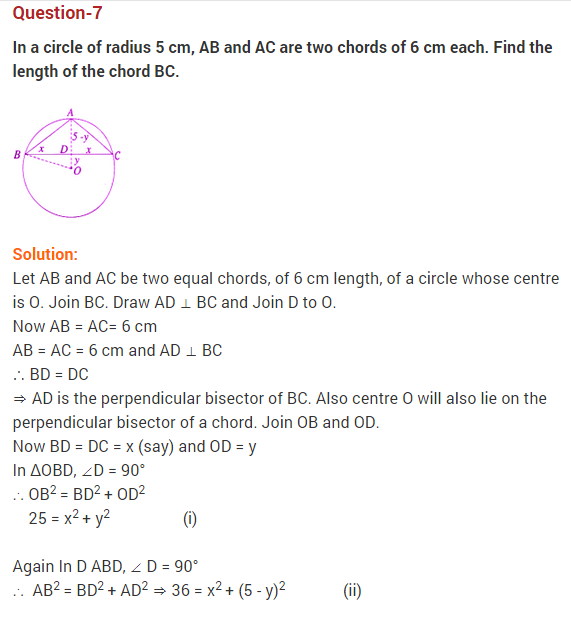
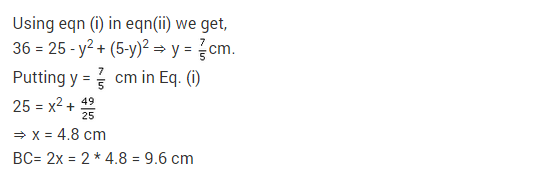
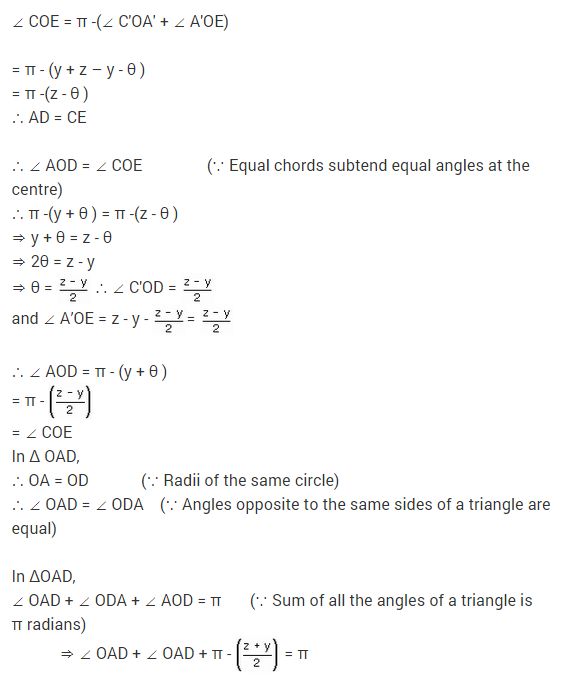
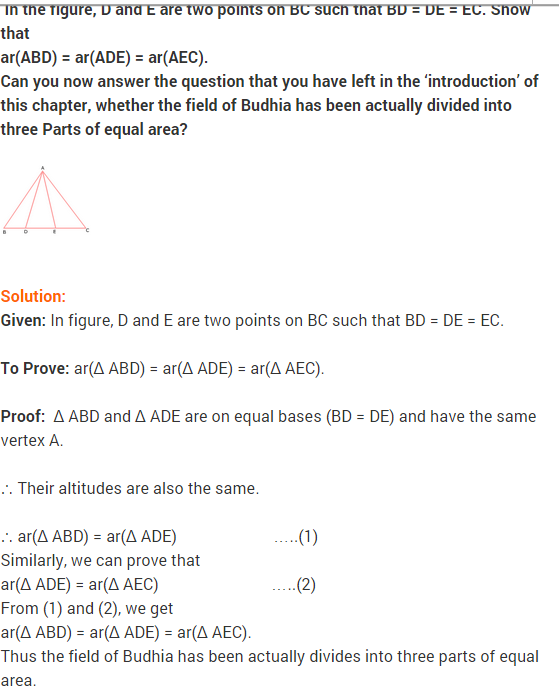
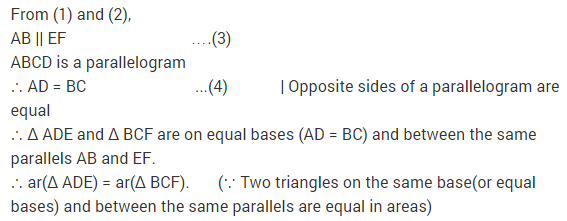
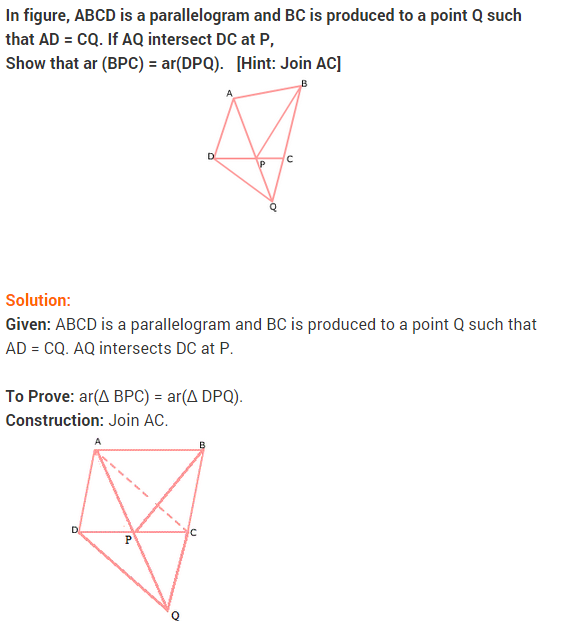
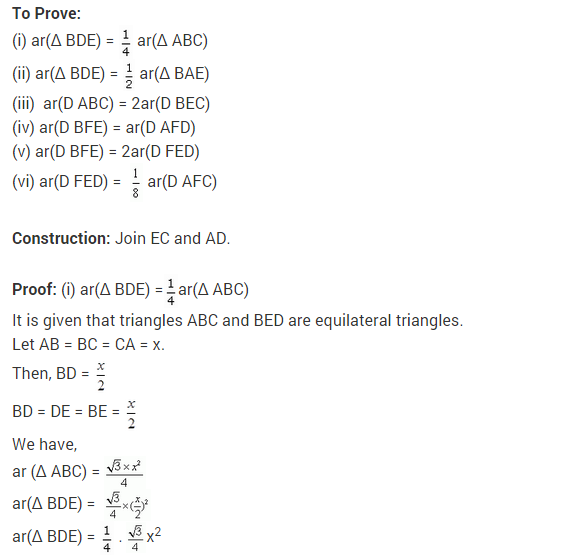
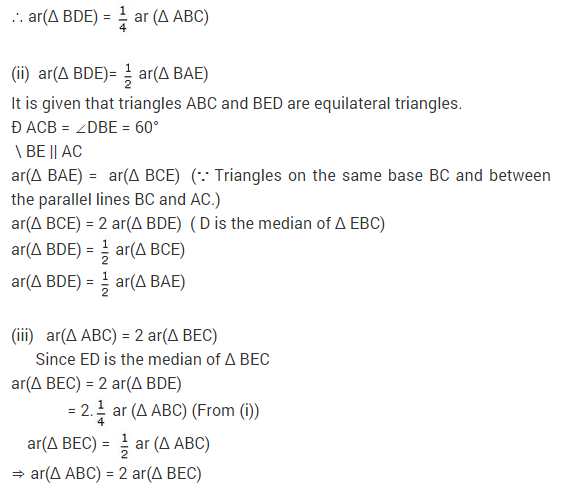
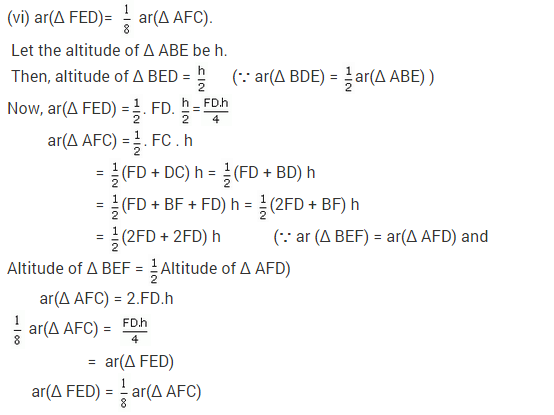
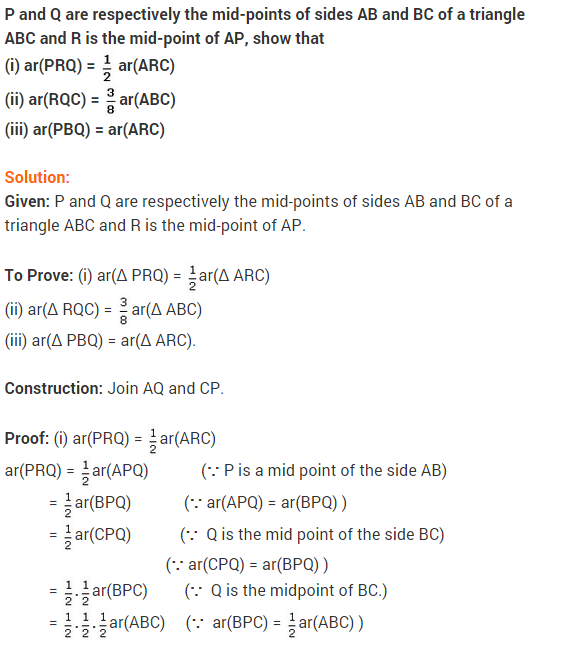
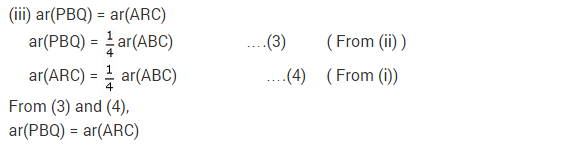
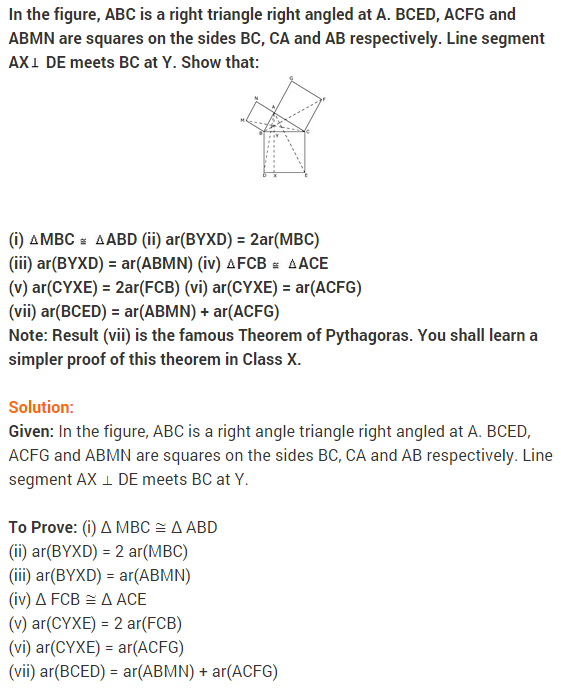
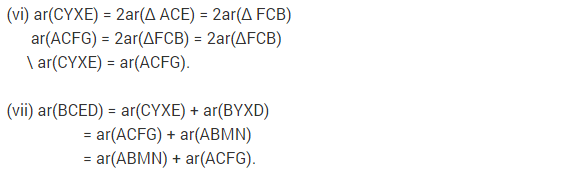
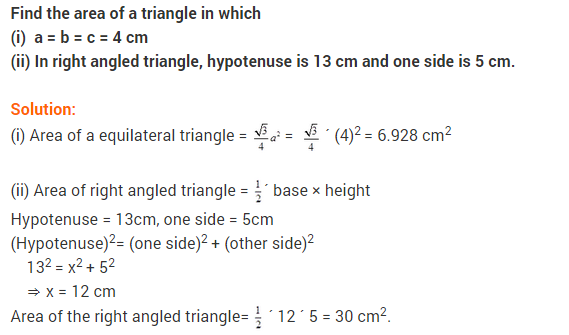
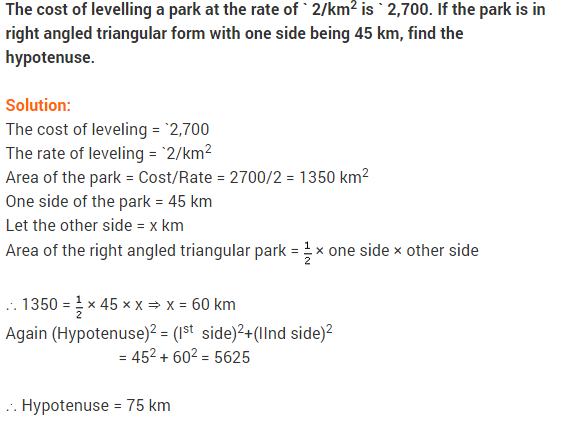
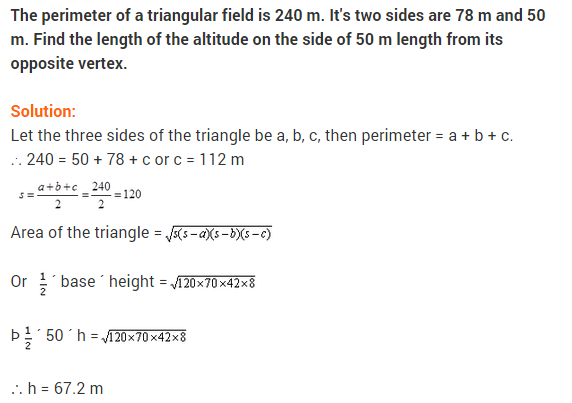
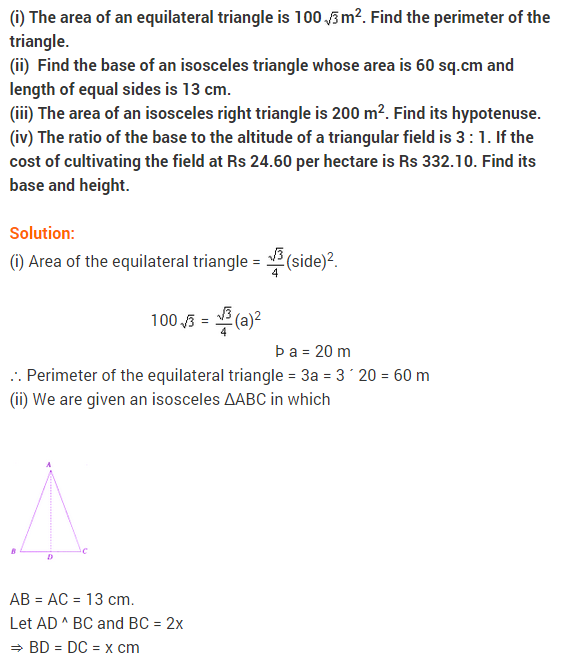
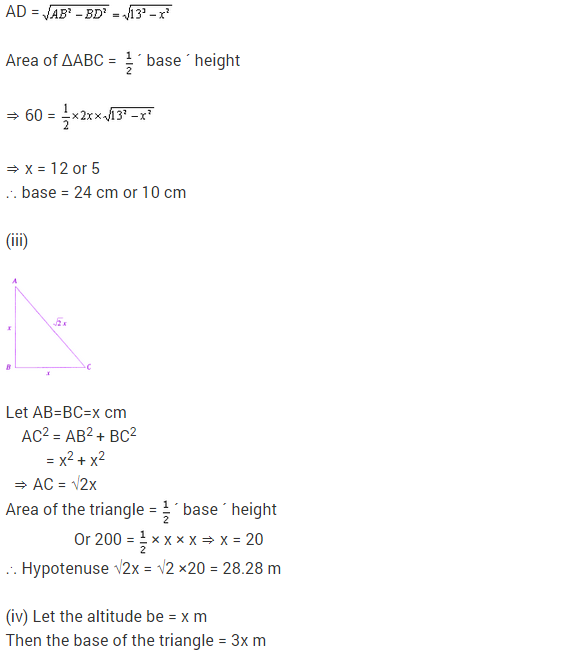
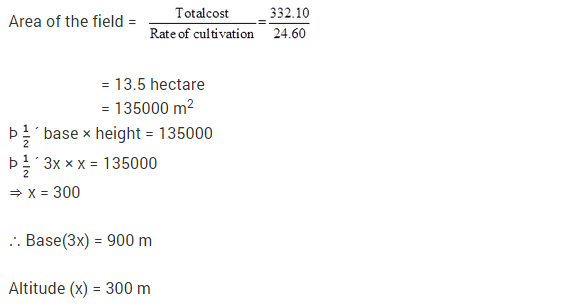
Class 9 Maths Chapter 12 Heron’s Formula NCERT Solution is given below.
(Extra Questions for Heron’s Formula)

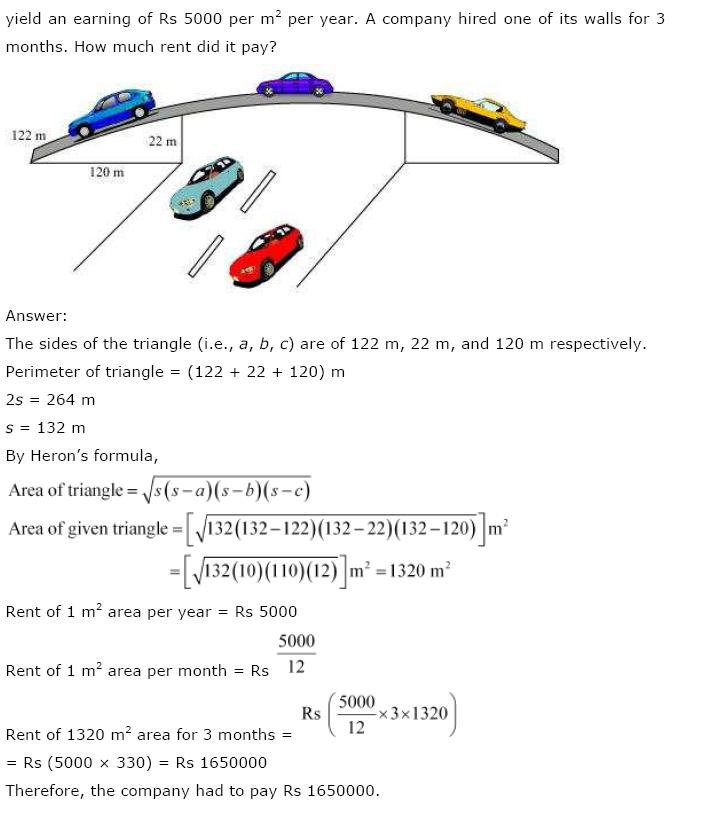
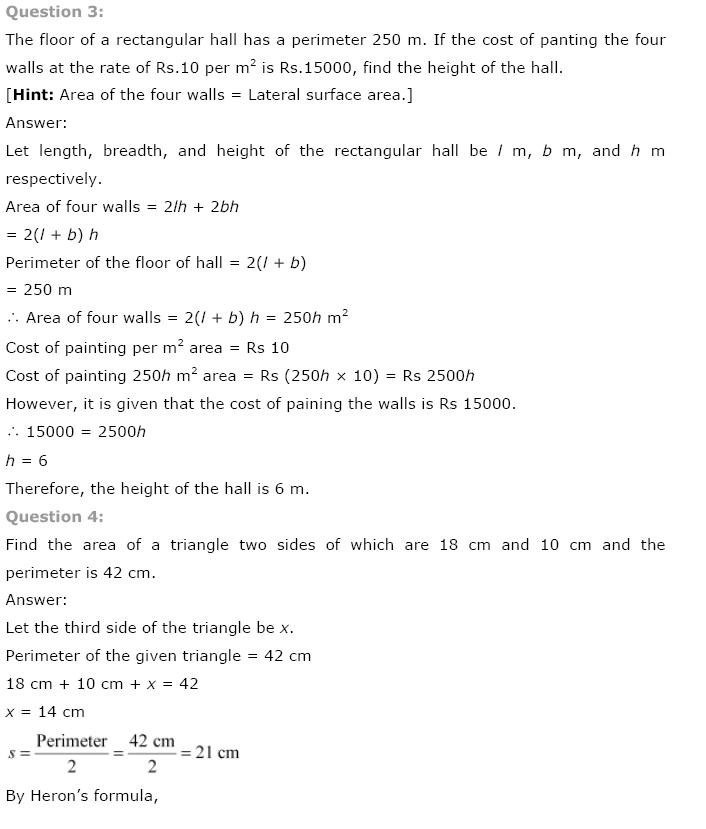
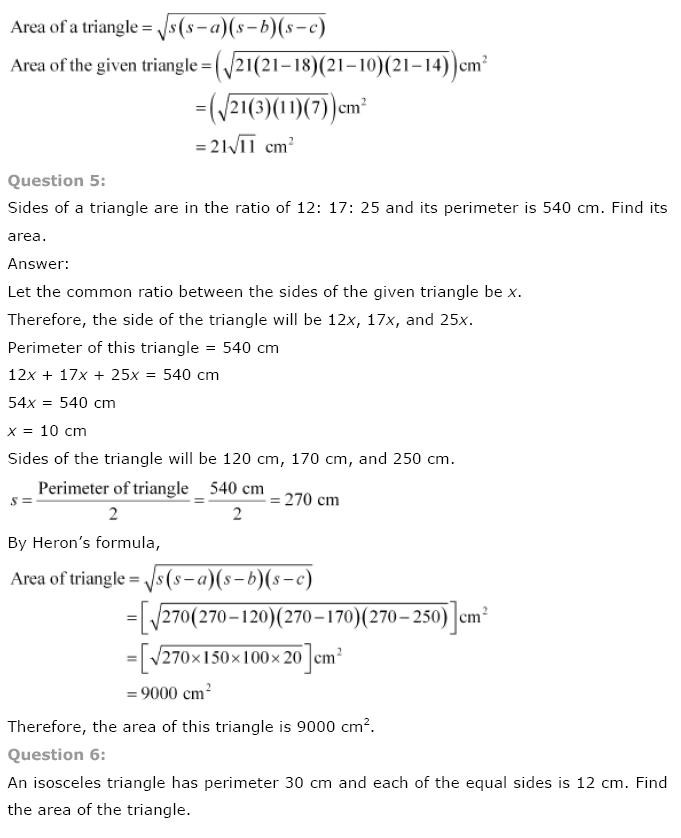
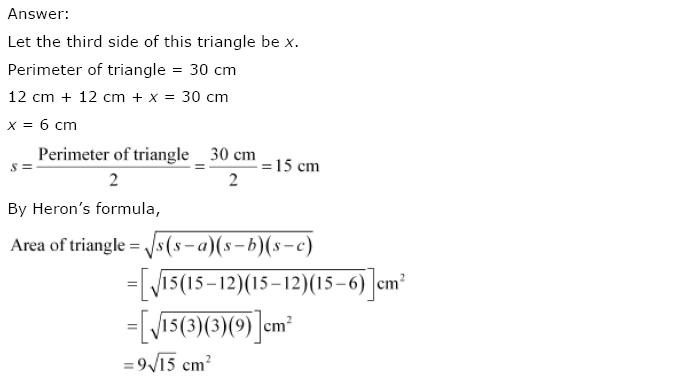
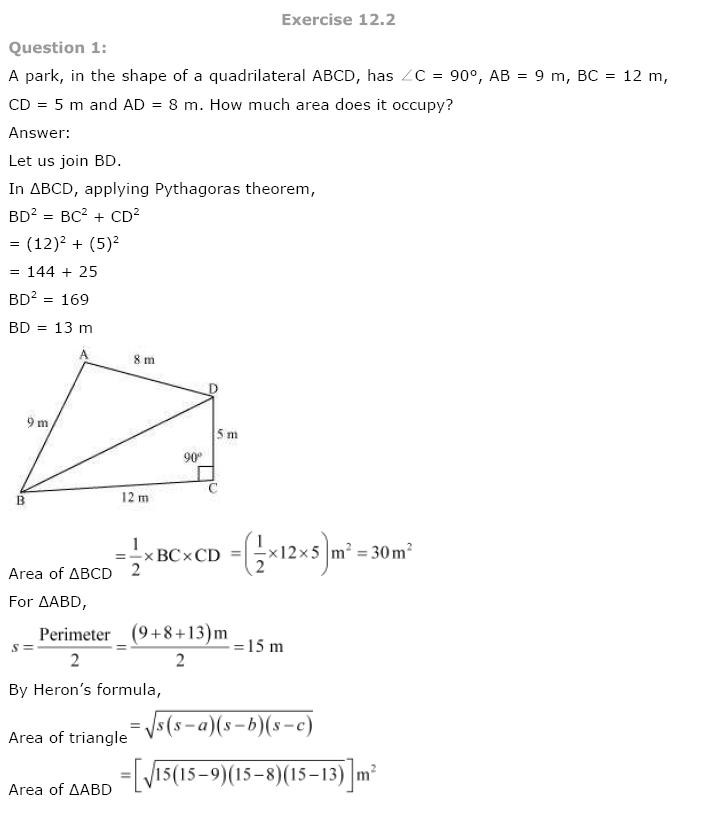
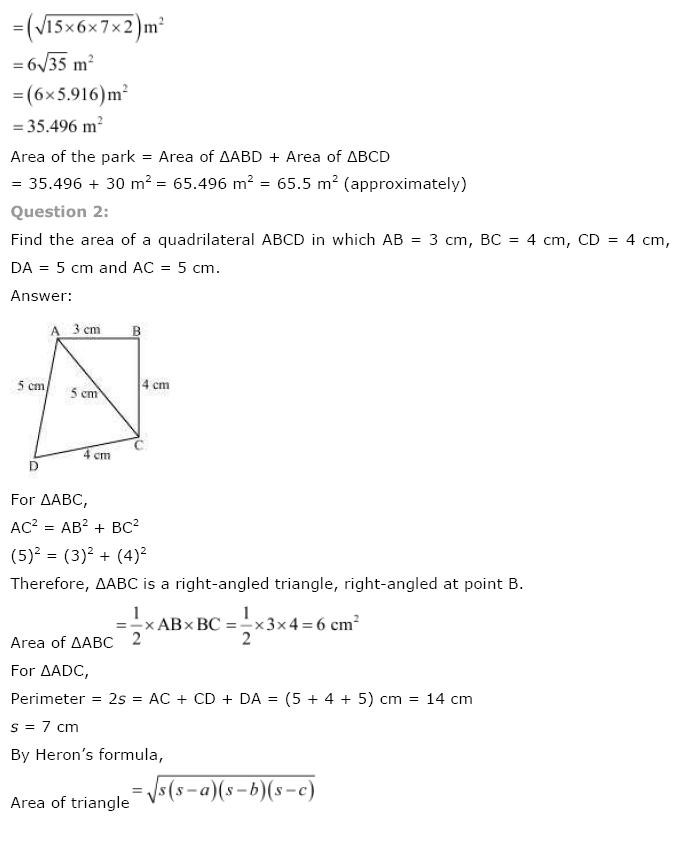
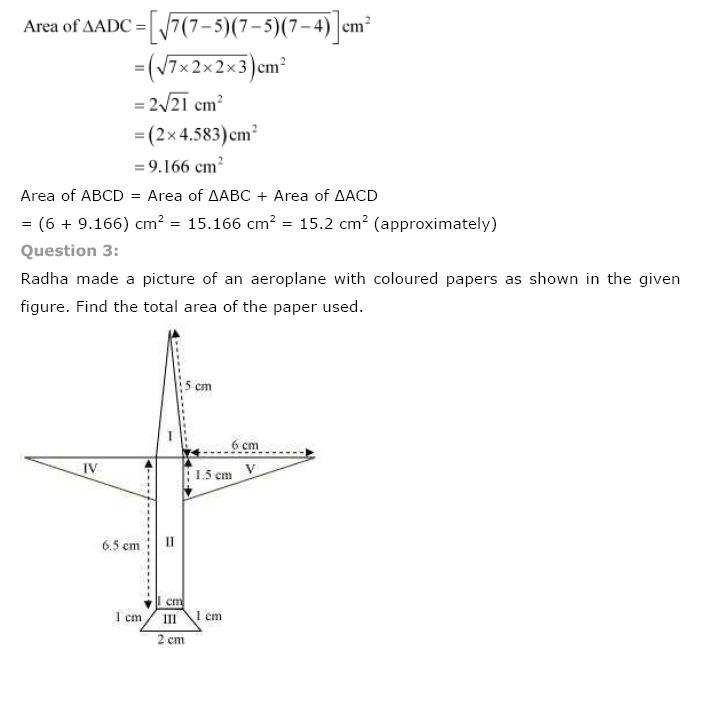
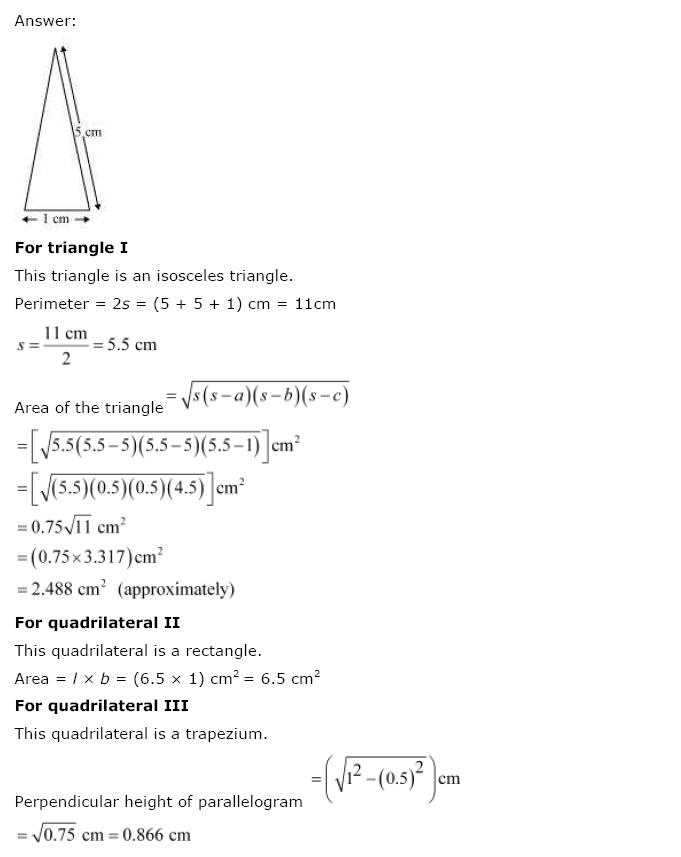


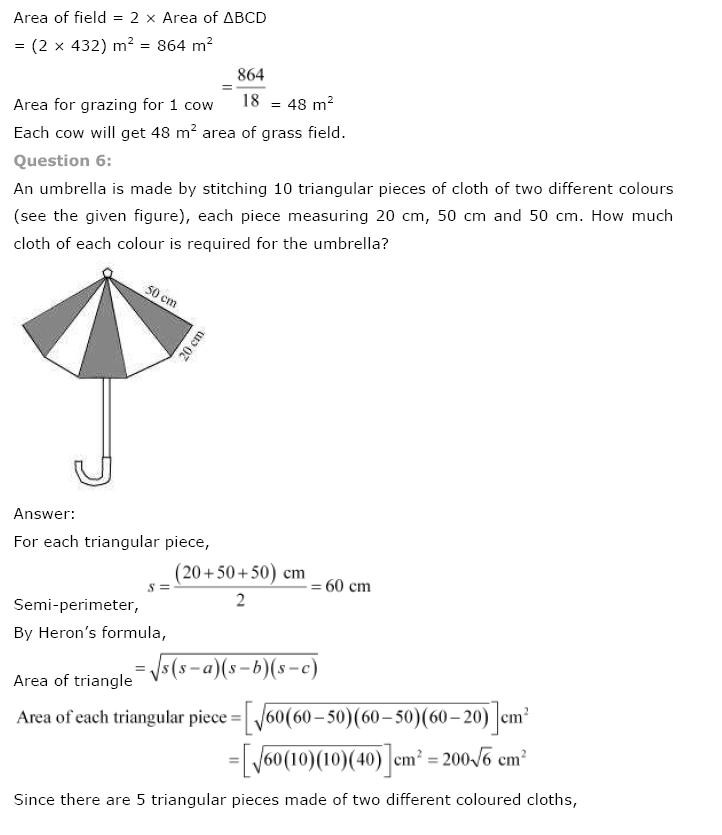
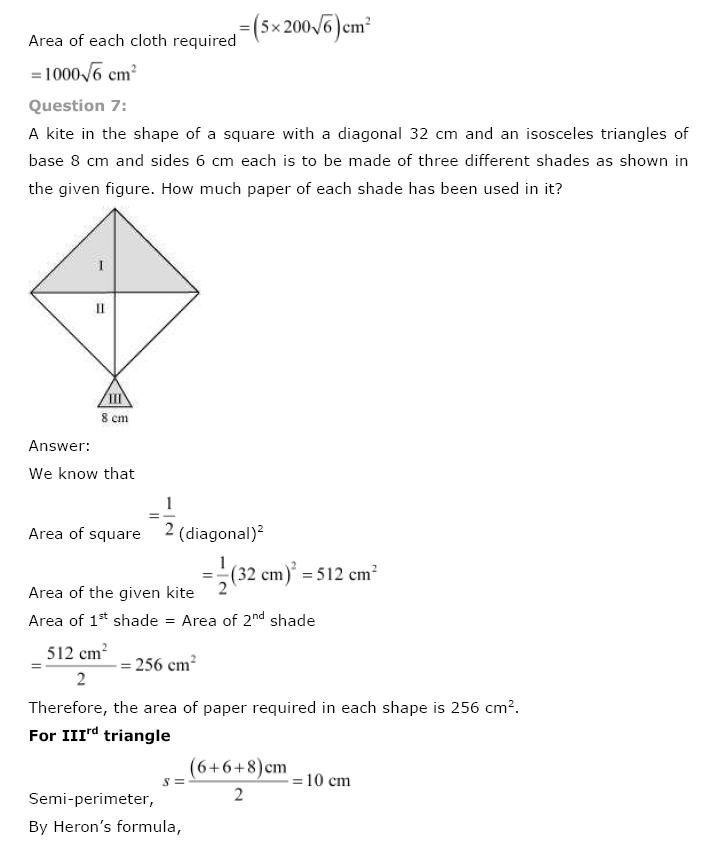
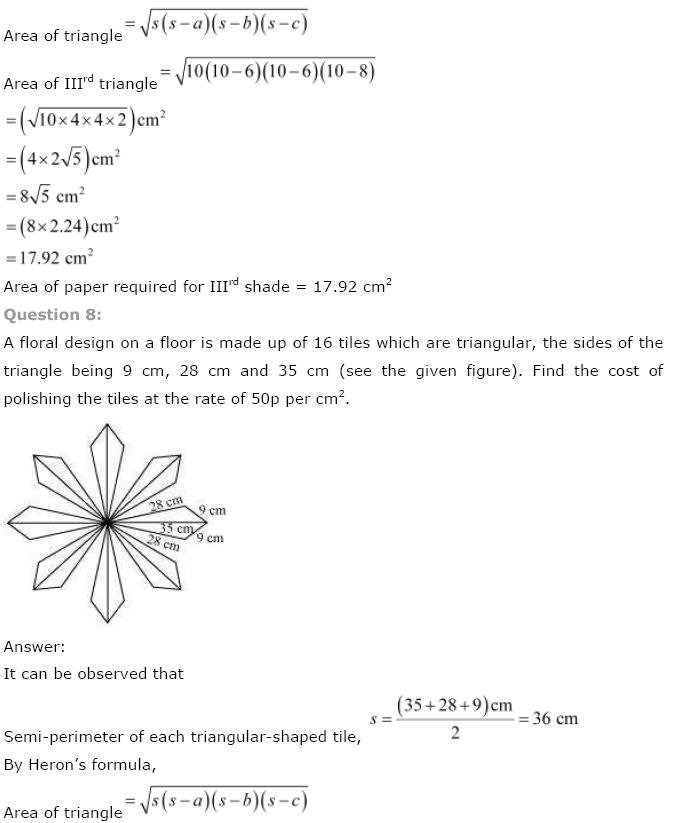
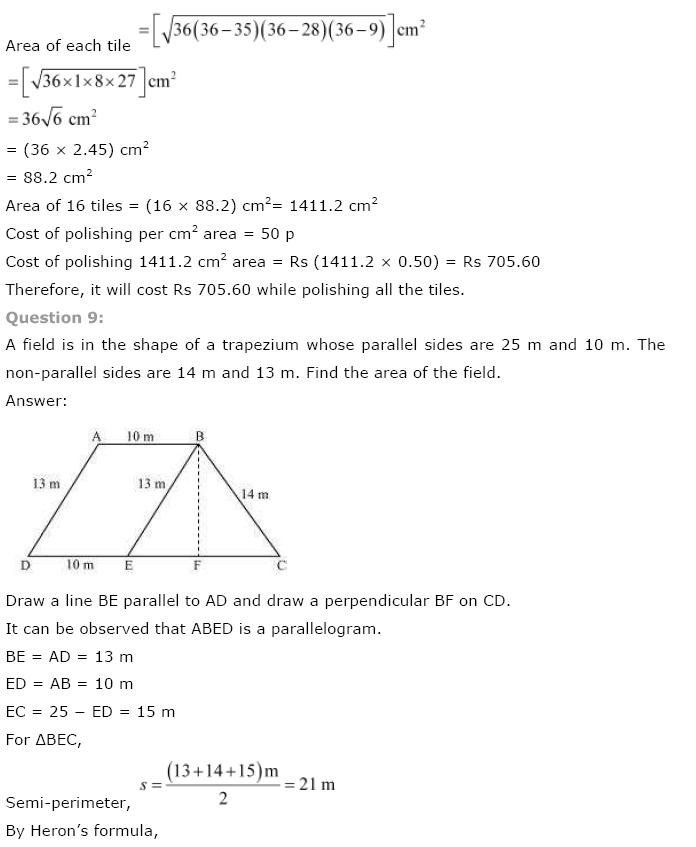
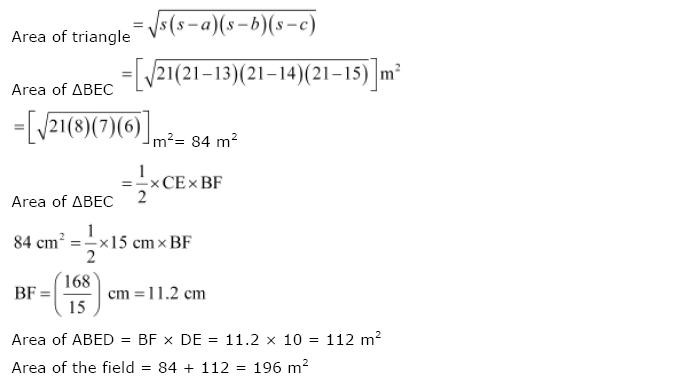
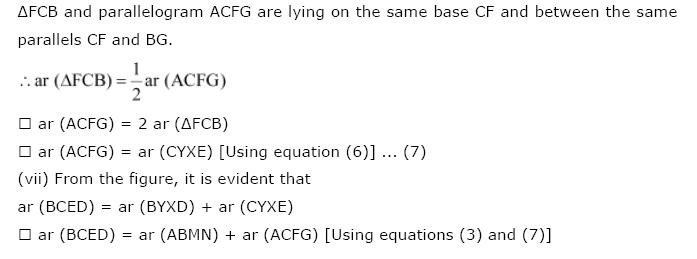
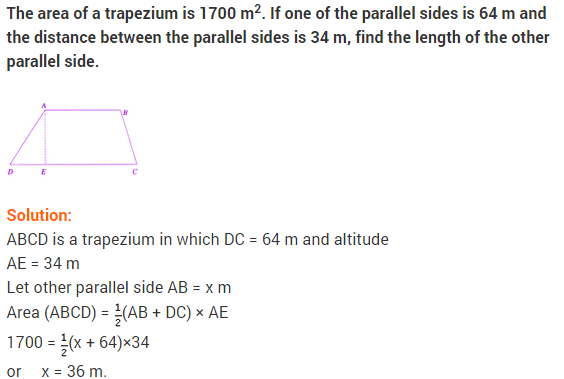
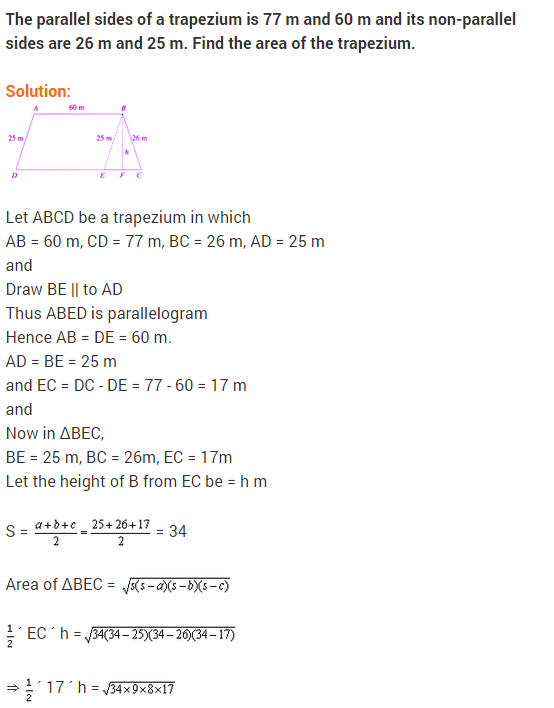
Class 9 Maths Chapter 12 Heron’s Formula NCERT Solution is given below.
(Extra Questions for Heron’s Formula)

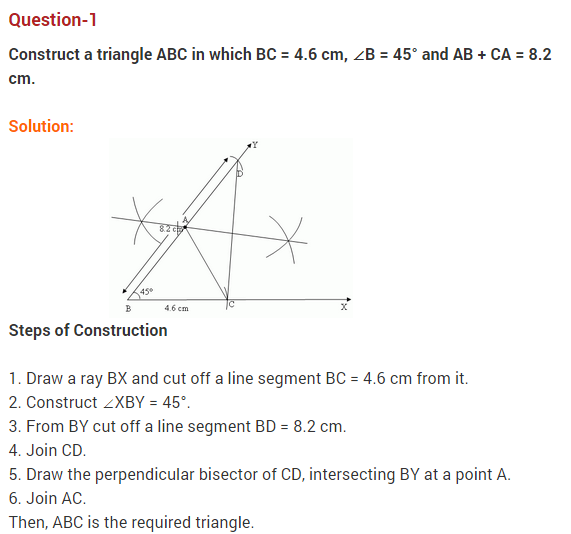
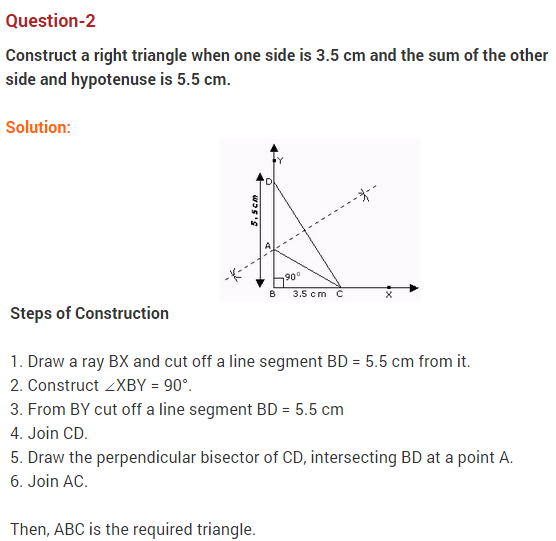

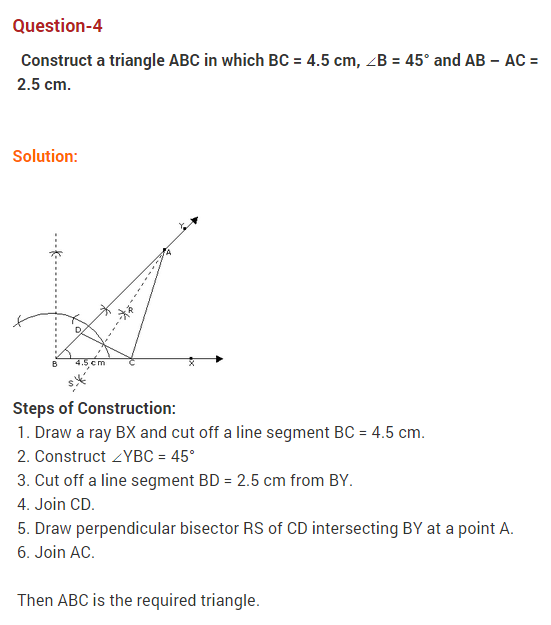
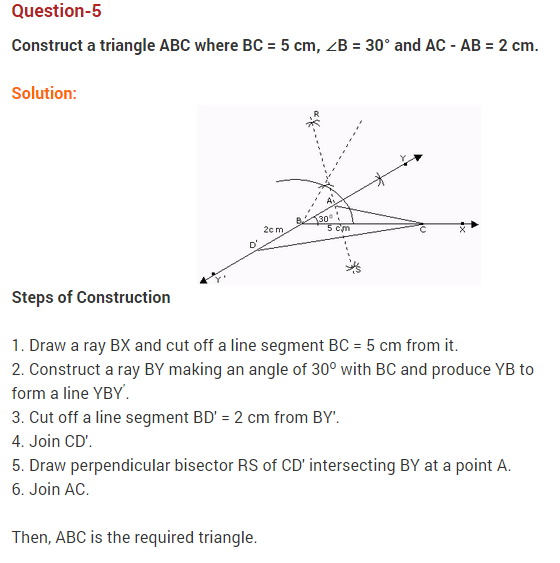
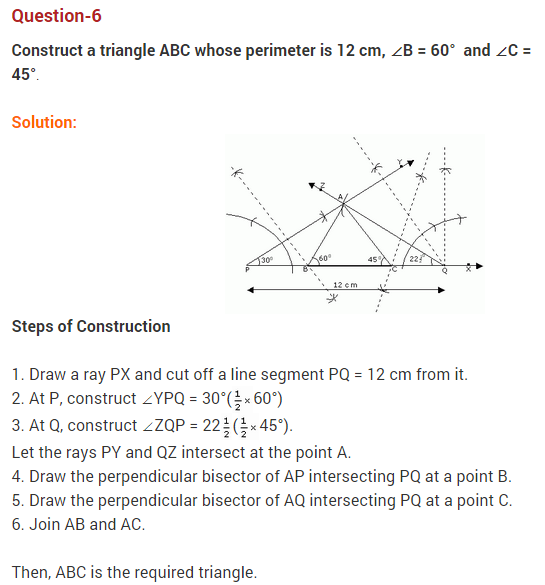

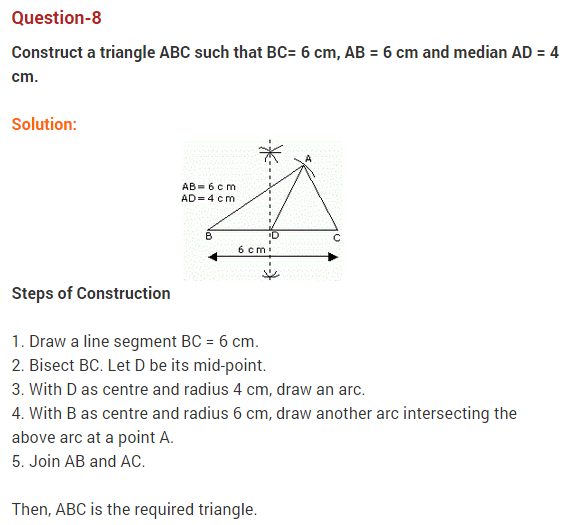


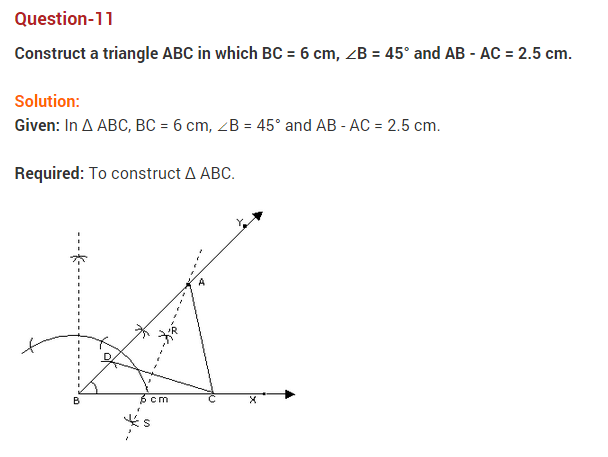
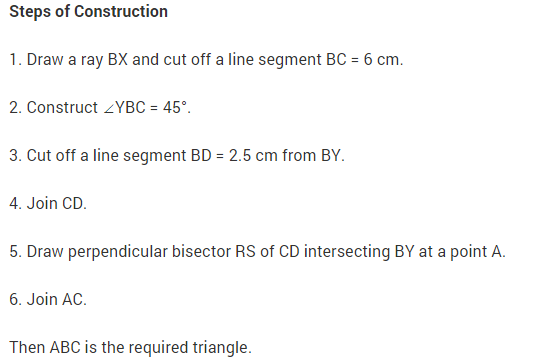
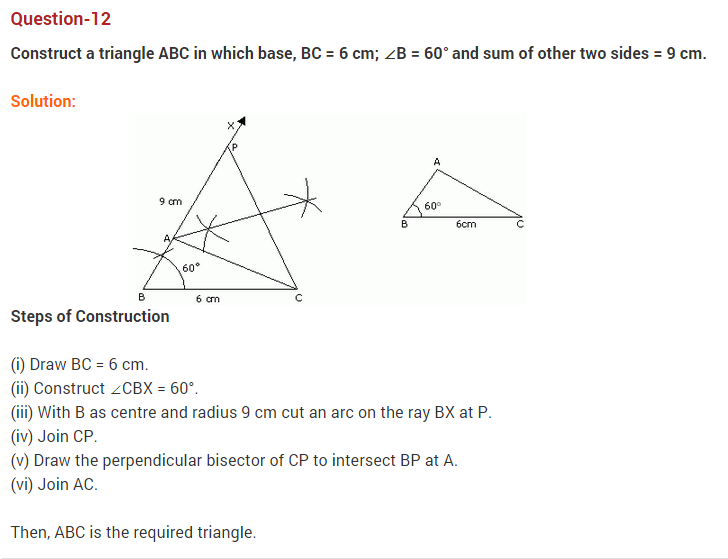

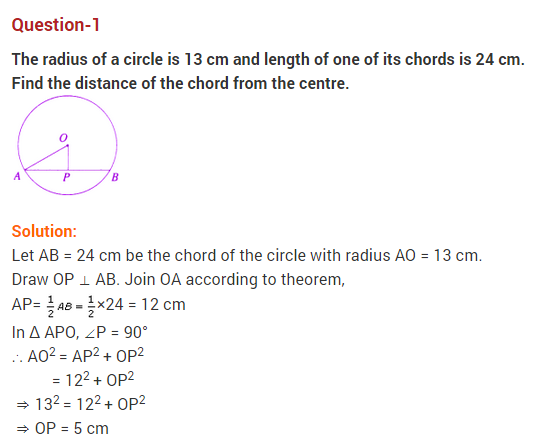
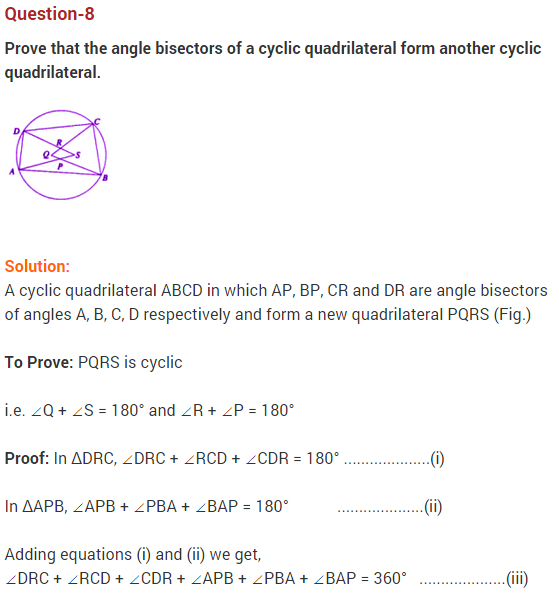
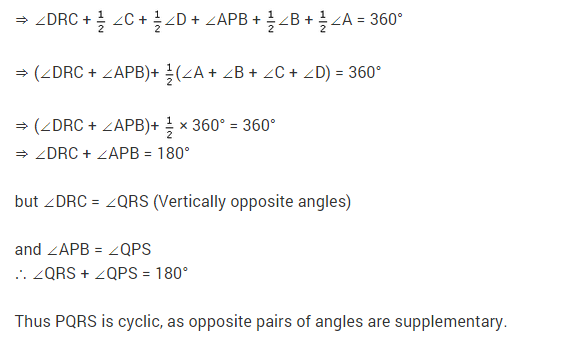
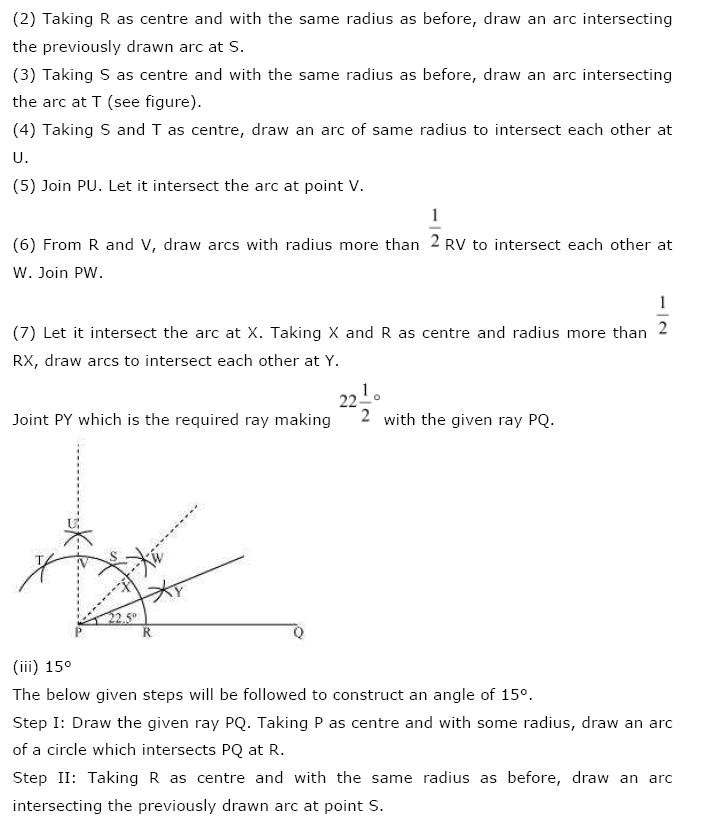
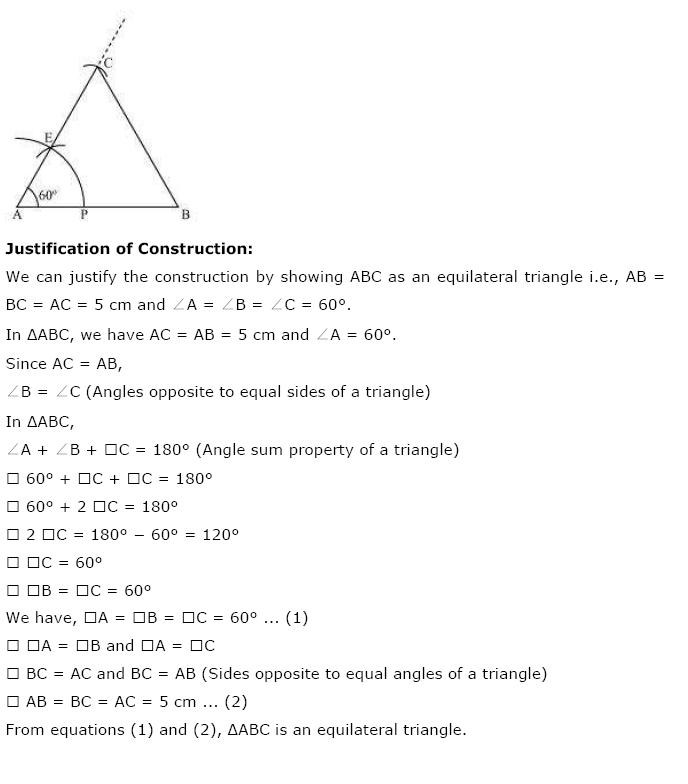
Class 9 Maths Chapter 11 Constructions NCERT Solution is given below.
(Extra Questions for Constructions) (Ask.ImperialStudy.Com For Asking Your Problems)






We provide students with the best science notes for class 11th that helps to repack the long and lengthy course into a short series of easy notes that reduces the burden from the shoulders of students regarding heavy course and hard study and shows them a new and easy way to study. Until class 10th, students were taught in a lengthy, easy and explained method so that their basic knowledge about science gets strong. Class 11th is about expanding that basic knowledge and have got a very lengthy course which is many times more than that of 9th and 10th class. Also, if a student seeks to go into competitions like I.I.T., A.I.E.E.E., A.I.M.M.S. than the load of study he needs to do is much more increased. This load can be decreased if he is presented his vast course in form of short and easy notes which the students can easily understand and learn. That is why we have prepared the whole large and vast course for Class 11th in form of short and easy notes for our students. You can read them and find it out for yourself how easy is to read and learn them. We would appreciate your feedbacks or suggestions in form of comments and if there is something still missing, we will be keeping updating the post for you. You must keep visiting the website to get those updates.
Science for class – XI
Unit -1: Physical world and measurements
Although we have been studying the physics from a long time, still there is not everything we have been able to clear out in our previous classes. We need to revisit the world of physics with a new dimension and explore the basics of physics and physical study again so that nothing remains uncovered and no single basic concept of physics is left. In unit Ist i.e. Physical world and measurements, we look at all the basic knowledge of physics so that armed with this knowledge we can move onto further deep study of physics in further units.
Chapter-1: Physical world
1.1 Introduction
We start this long journey of physics and physical world with a basic definition of physics and discuss about various branches of physics. We would discuss about some of the most inspiring physical discoveries and how they were made, forces operating in nature and some basic physical laws. Please note that the word physical means “related to physics”, so physical laws are laws related to physics, physical theories are theories related to physics and so on.
1.2 What is physics?
Physics- Physics is the study of nature. It is the branch of science dealing with the study of nature and natural phenomena.
Scientific theory- A scientific theory is a set-up that helps to explain a natural phenomenon or the behaviour of a natural system on the basis of the established laws of nature.
For example:- The theory of solar system, where sun occupies the central position is known as Copernican theory of solar system.
1.3 Physical theories and their branches
Today’s physics can be described and understood with the help of the following five theories:-
Note: Earlier, methods of measurements in in physics were of subjective nature i.e. these depended upon human senses of touch, hearing, sight etc.
Why is physics called an ‘exact science’ ?
Because of the precision and accuracy in the measurement of physical quantities, physics is called an ‘exact science’ or the ‘science of measurements’.
1.4 How discoveries in physics are made ?
Physics is all about the nature and its phenomena. People observe nature and guess about how certain natural phenomena may happen. Experiments made by many scientists help to find out the reasons behind many natural phenomena. Scientist often find out big discoveries and new theories are made by them in various field of sciences. Some examples are:
Archimedes’ laws of floatation:- Archimedes was asked by a king to tell the purity of the gold in his crown without melting it. He got a clue to solve this problem while bathing in his tub and came out into the street shouting “Eureka! Eureka!” (“I have found it! I have found it!”). Thus he formulated the laws of floatation.
He found that a small drop of liquid is always spherical in shape. It never assumes cuboidal or any other geometric shape. Due to surface tension, liquids try to possess minimum surface area. It is because, for a given volume, the sphere has minimum surface area.
Electromagnetic induction:- When Faraday moved a magnet near a coil, a galvanometer connected to the coil showed deflection indicating the flow of current through it. This experiment led to Faraday’s theory of Electromagnetic induction.
Its study led to the design of electric generators, motors, etc.
Note:- The cause of forces like gravitational force, magnetic force, etc. is due to the exchange of particles between the two bodies, charges or magnetic poles. So, such forces are termed as Exchange Forces.
Rutherford’s experiment:- Rutherford’s experiment of scattering of α – particles by the gold foil led to the discovery of atomic nucleus. This experiment is also stated in Class 9th Chapter 4.
All the above stated experiments can be explained on the basis of a physical law and had led to important discoveries.
1.5 – Range of length, mass and time intervals in physics
Physical quantities like length, mass and time intervals (or simply time) vary over a wide range. This range can be observed as follows:
We are able to make such wide ranging measurements with a few methods because:
1.6 – Physics in relation to science
1.7 – Forces in nature
There are four kinds of forces operative in nature:
We would first look at each of these forces in detail and then discuss their properties.
F = G M1 M2
/r2
Where G (= 6.67 × 10 -11 N m2 kg-2) and is called Universal constant of gravitation.
2. Weak force – The force working between two leptons, a lepton and a meson or a lepton and a baryon. Leptons are class of elementary particles including electrons, muons, neutrinos and their antiparticles.
ß – decay- The ß – decay is an example of weak force interaction. In this process, a neutron inside a nucleus changes into a proton by emitting an electron and an uncharged particle, called antineutrino.
3. Electromagnetic force – The force of attraction or repulsion working between two electric charges in motion.
Also, if the charges are not moving, then the force is called the electrostatic force. The electrostatic force is the force between two static (non-moving) electric charges.
4. Nuclear force – The forces operating inside a nucleus between protons and neutrons. In general, the forces responsible for interaction between mesons, baryons and between mesons and baryons. Thus, it is due to interaction between nucleons (baryons) and π – mesons.
Properties:-
1.8 – Physical laws of conservation
Finally, in this section, we will study about some conservative laws that are operative in nature. You may already have heard about these in previous classes:-
p1 + p2 = constant
Where p1 and p2 are linear momenta of the two bodies at any instant.
Examples:
Examples:
Examples:
The other conservative laws are law of conservation of charge, spin, lepton number, baryon number, parity etc.
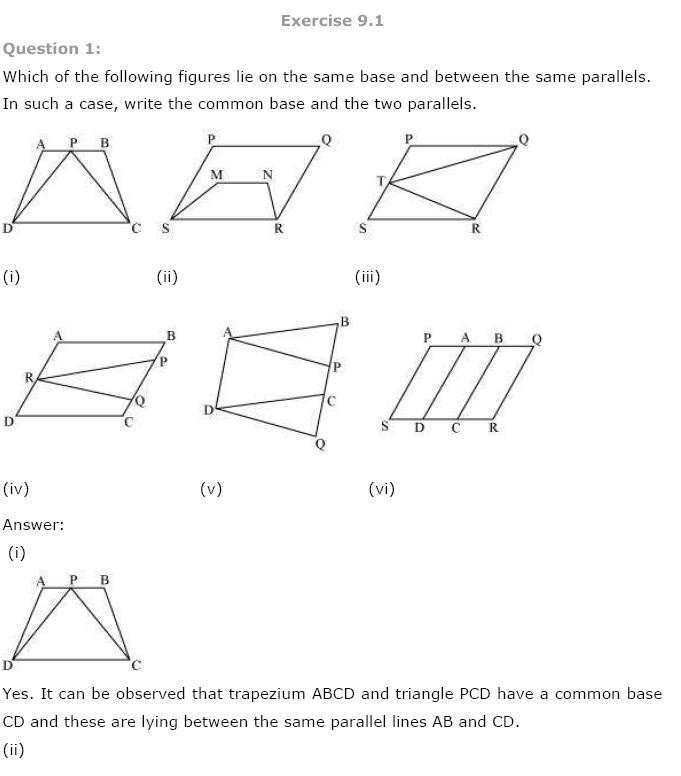
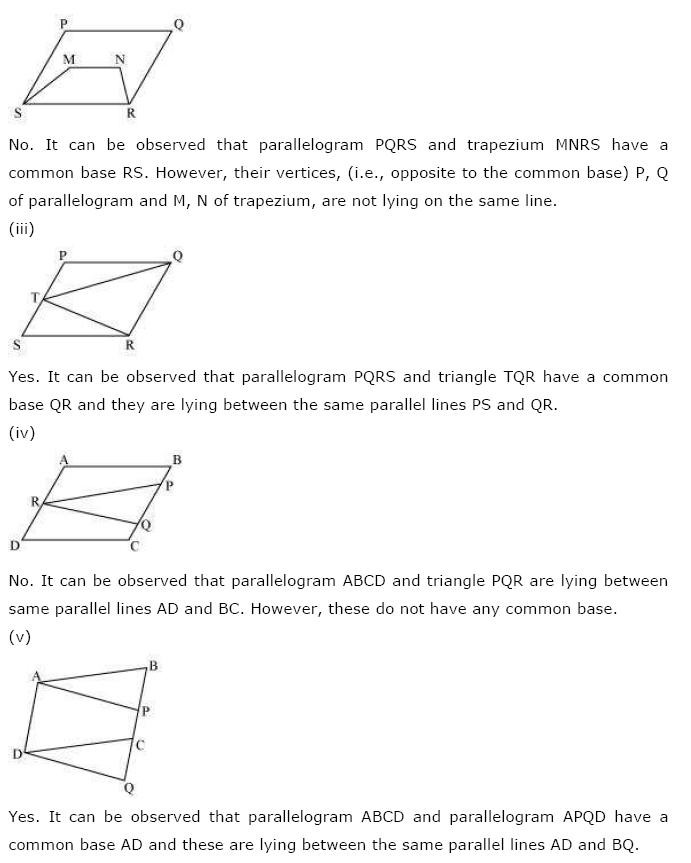
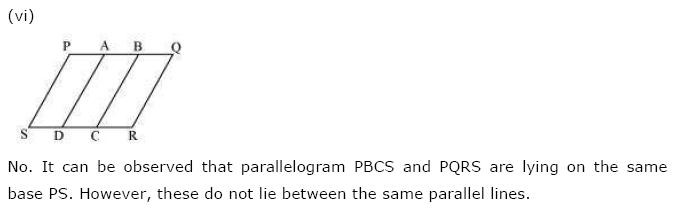
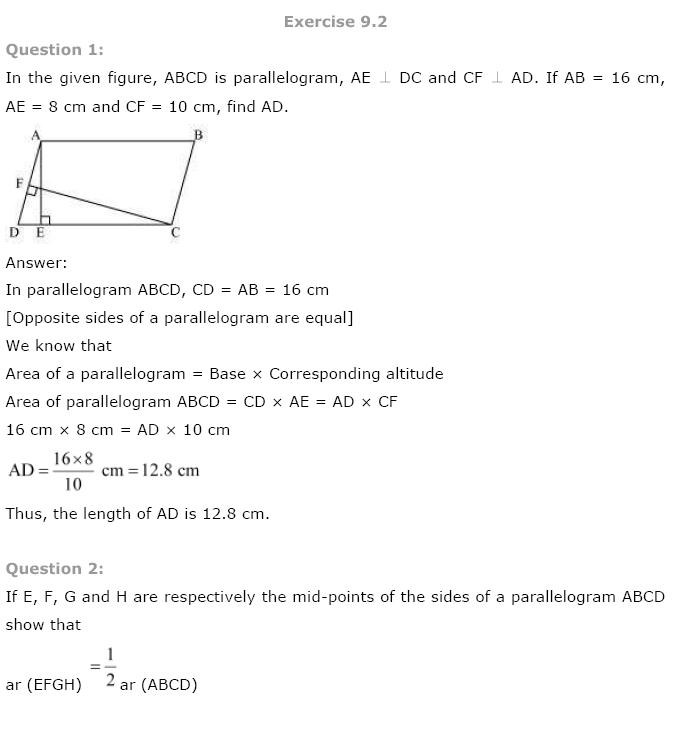
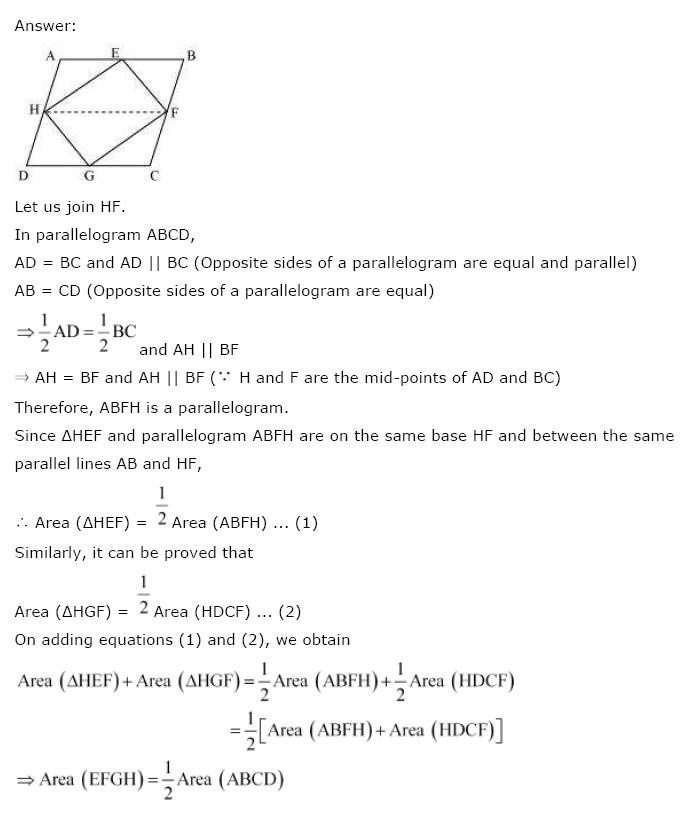
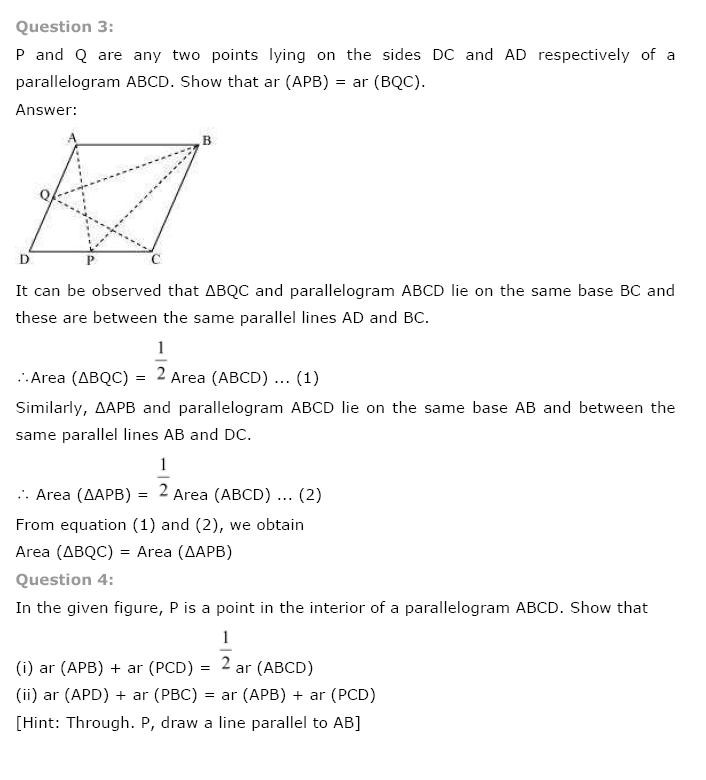
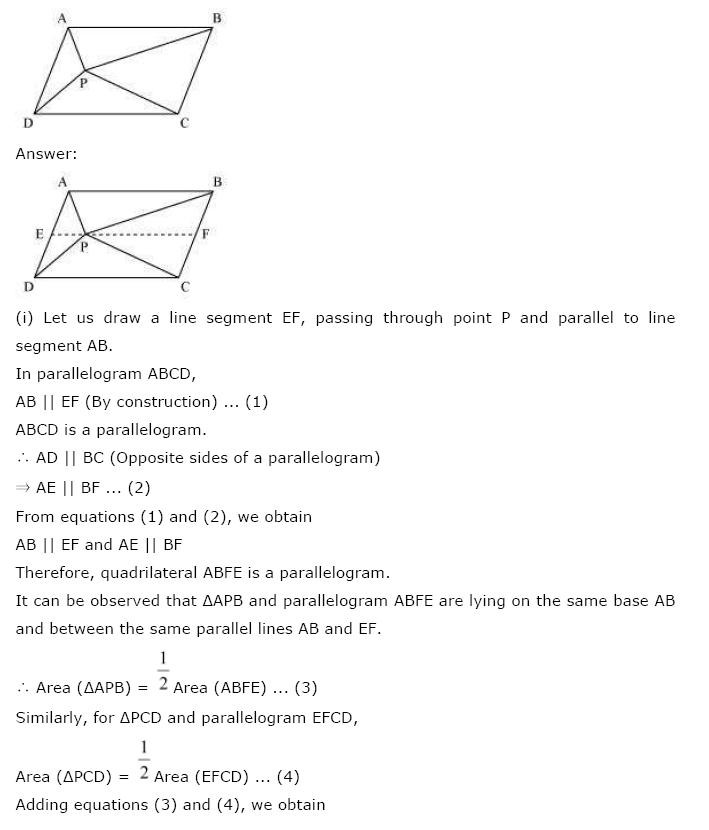
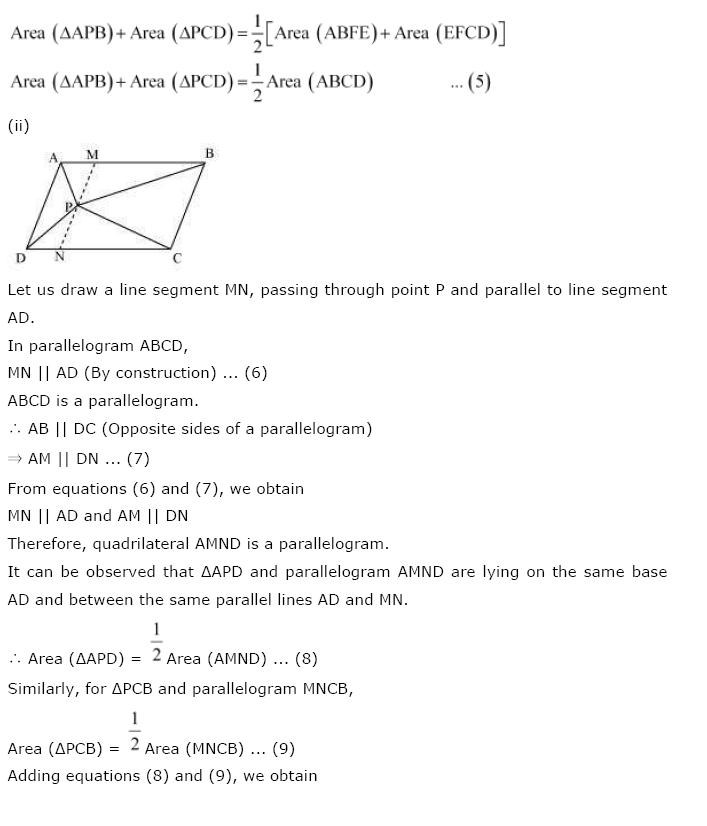
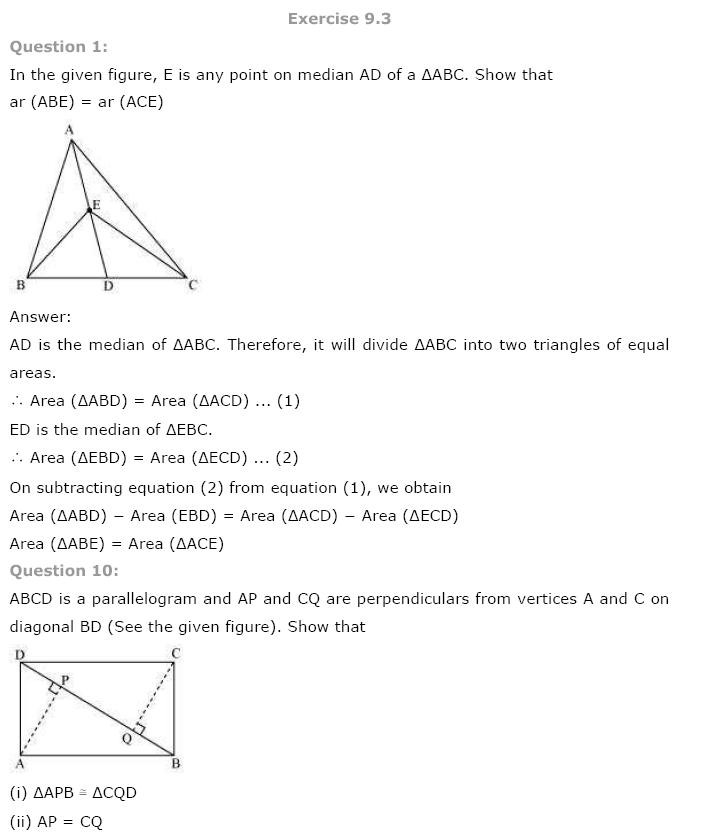
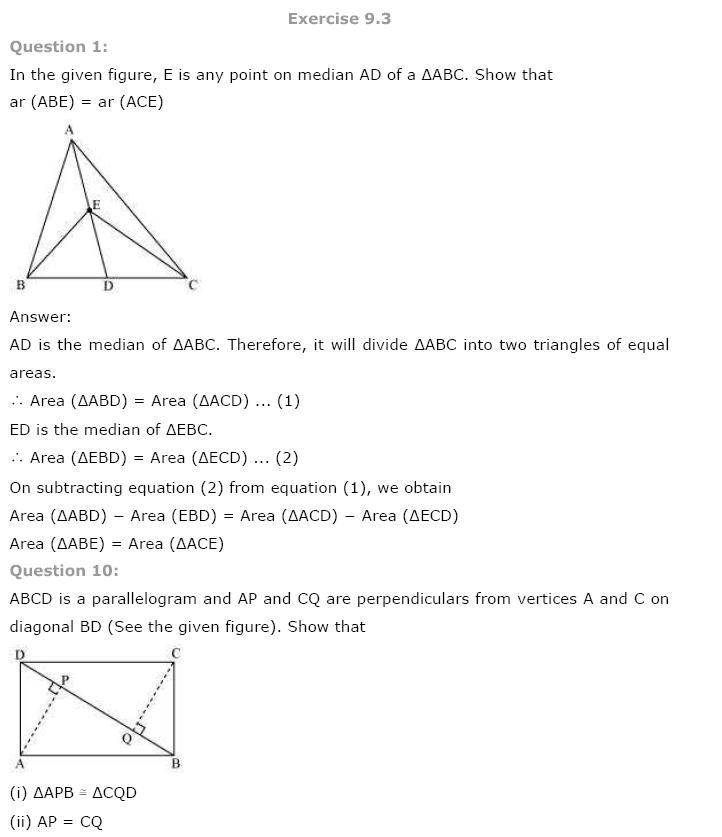
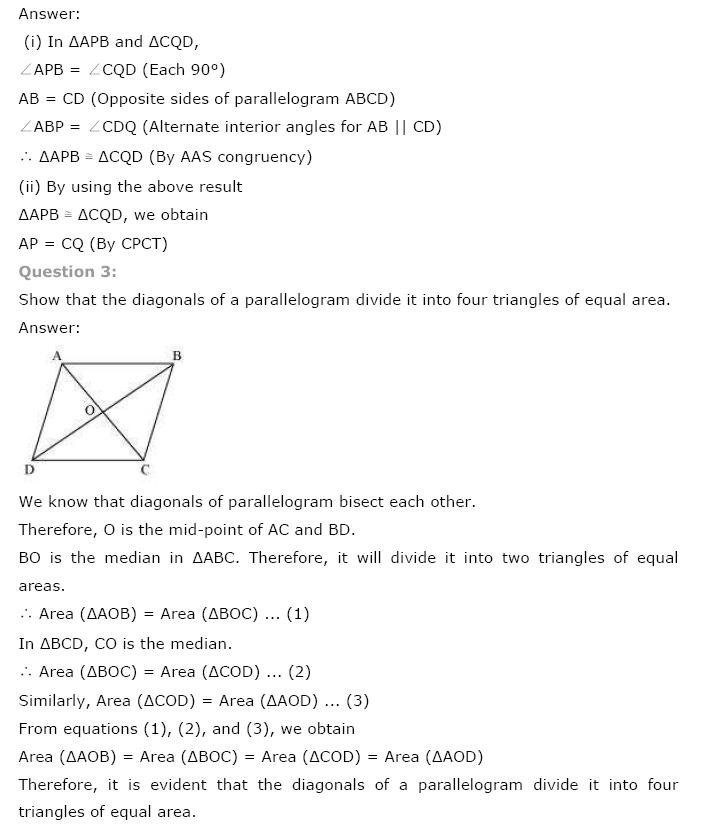
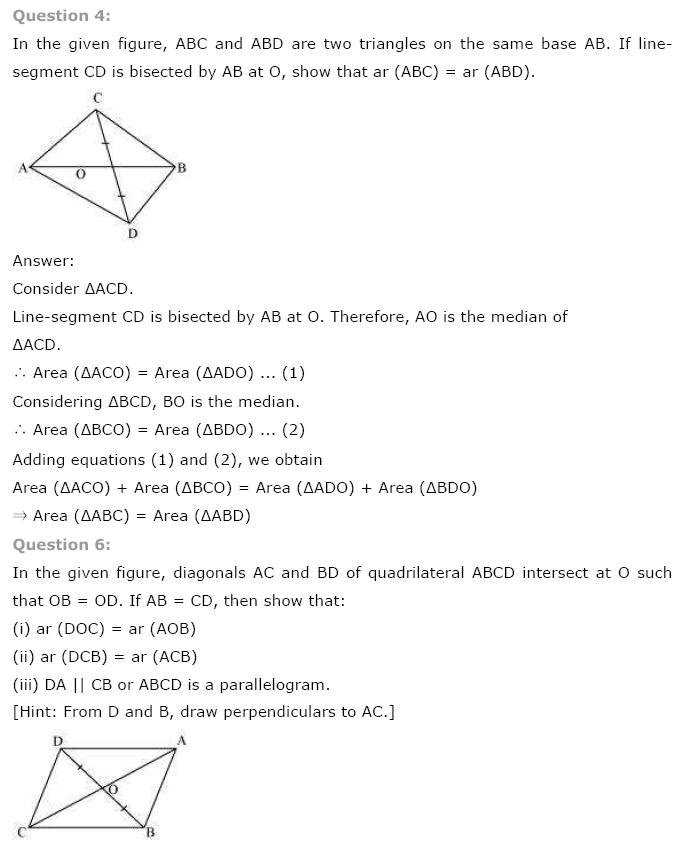
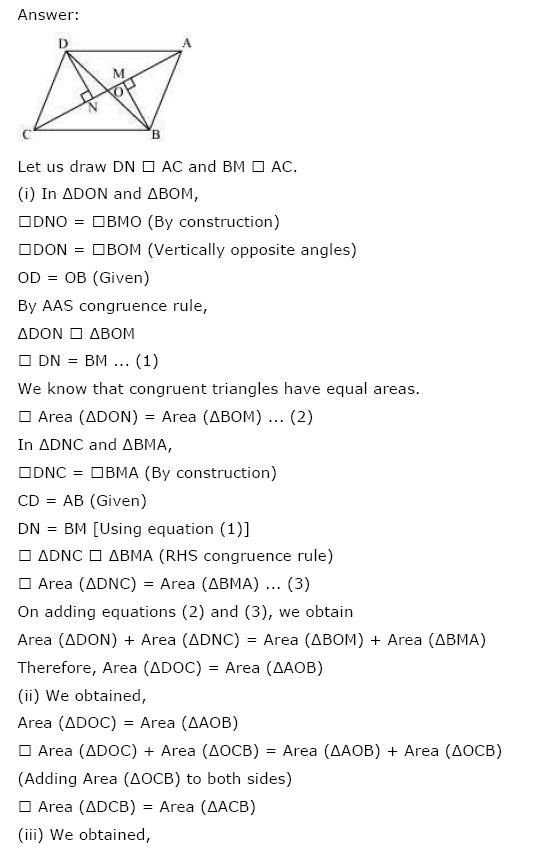
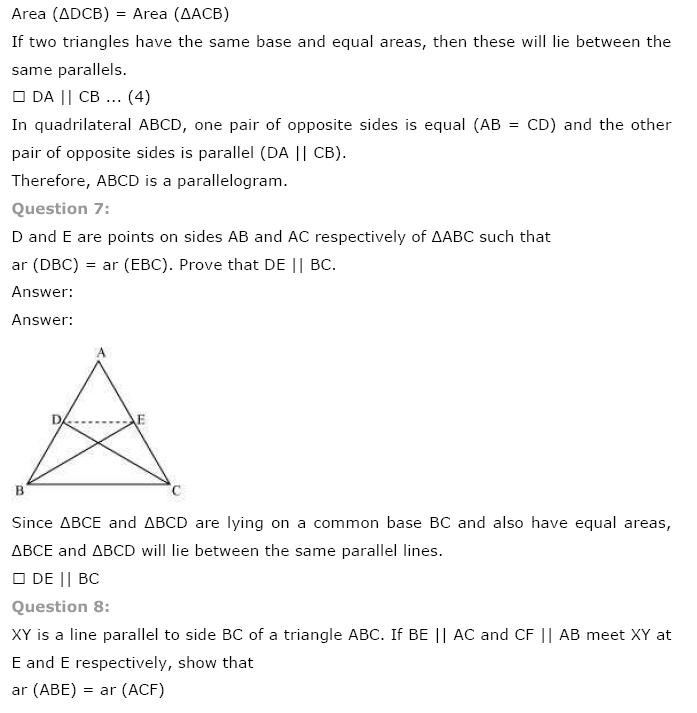
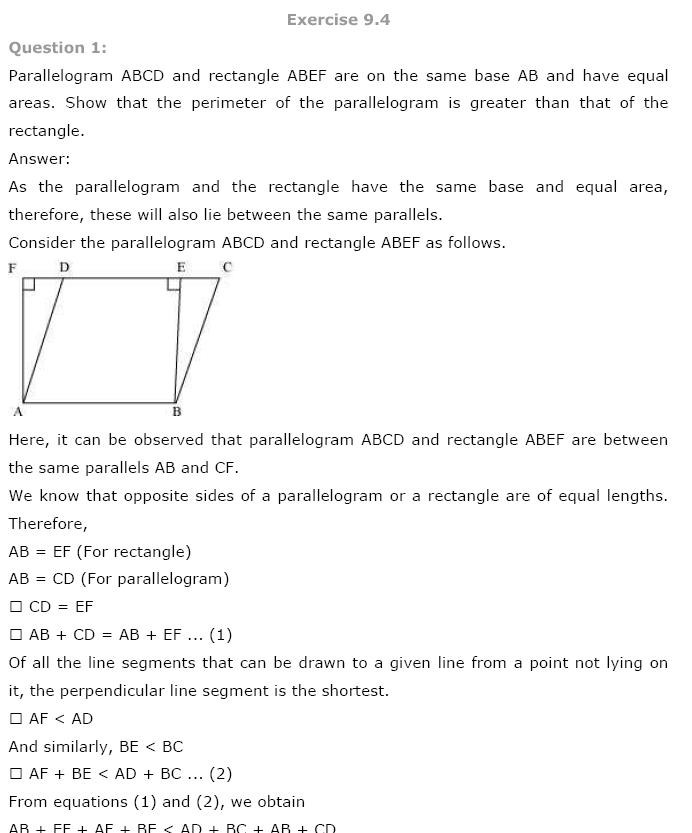
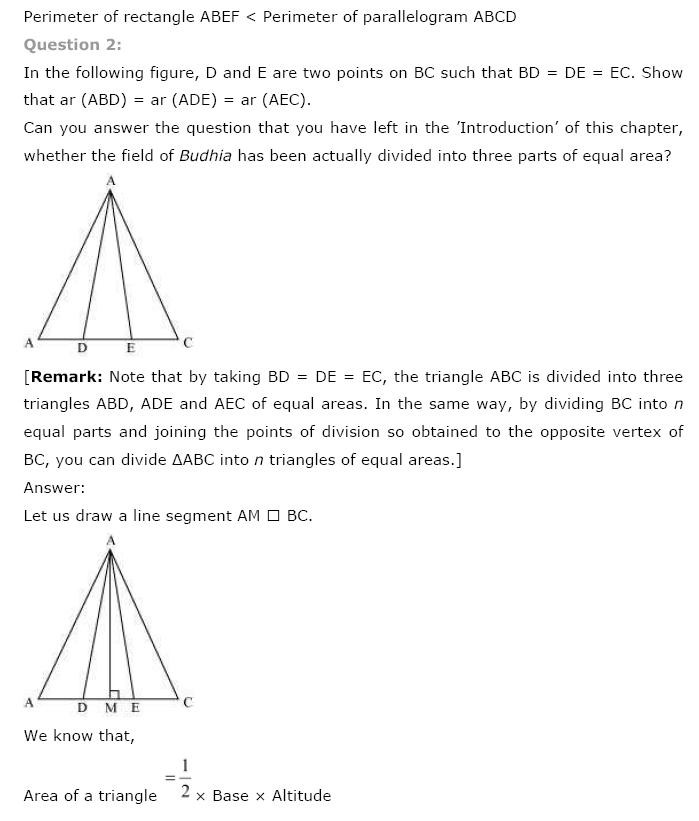
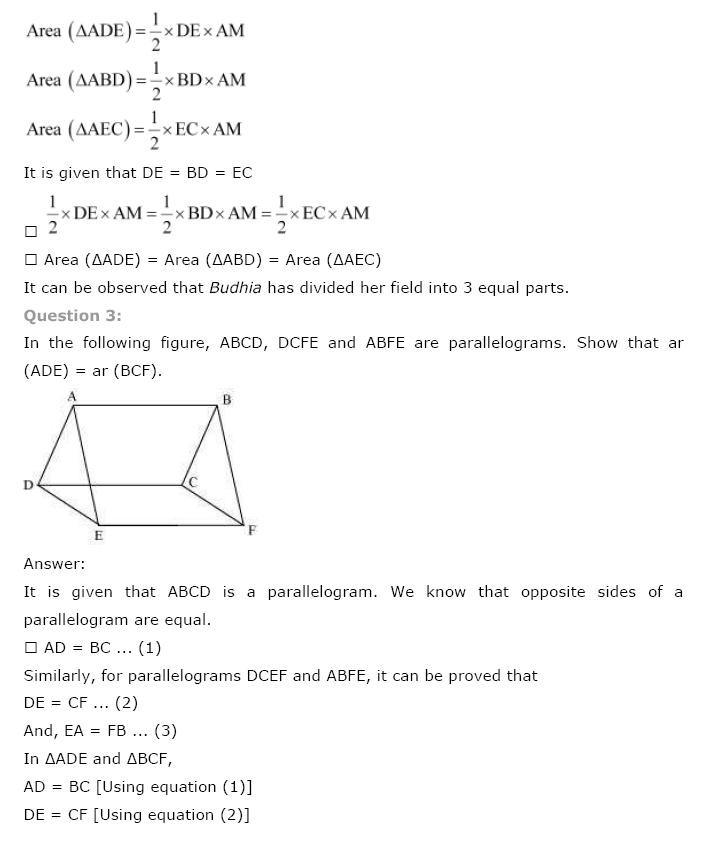
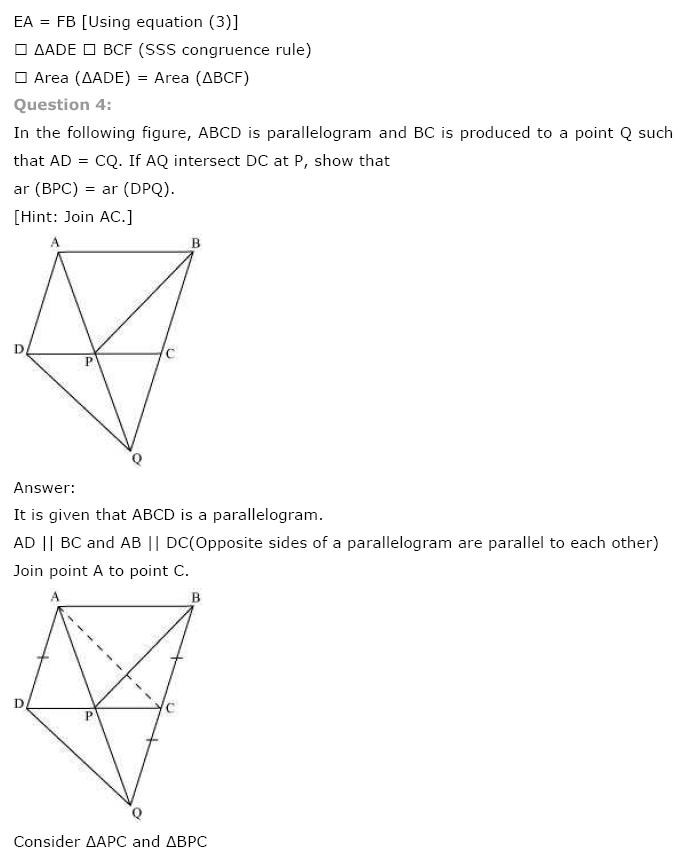
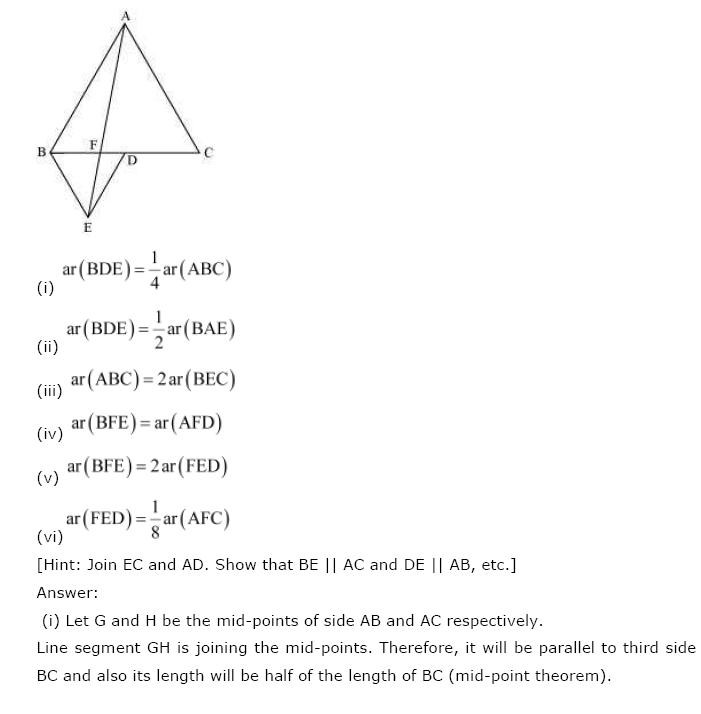
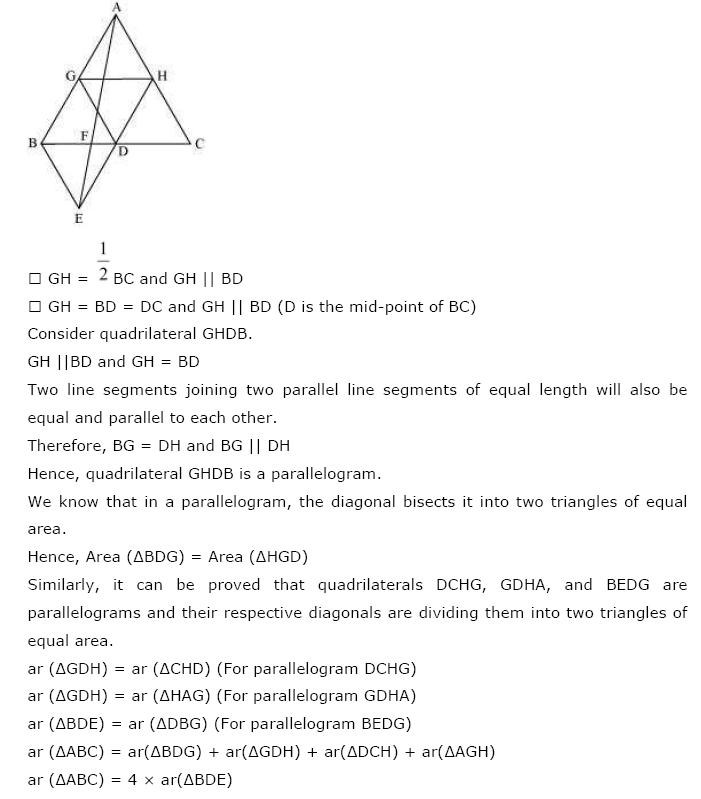
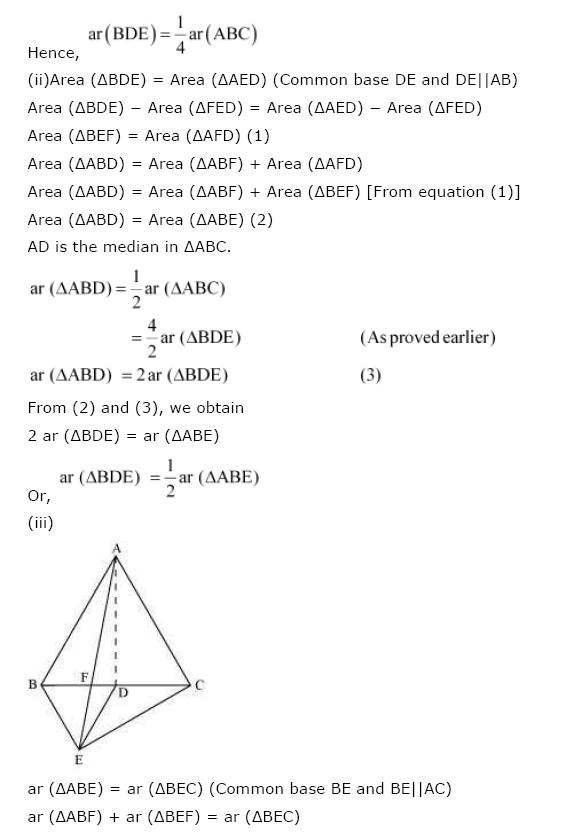
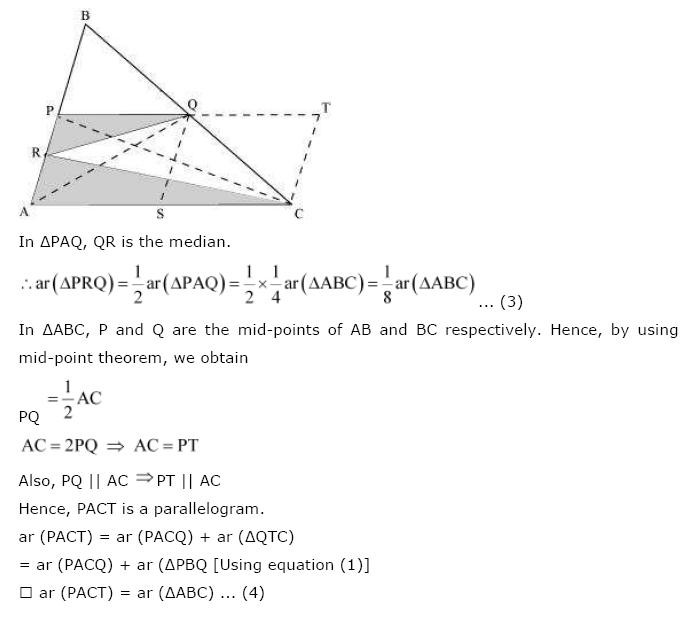
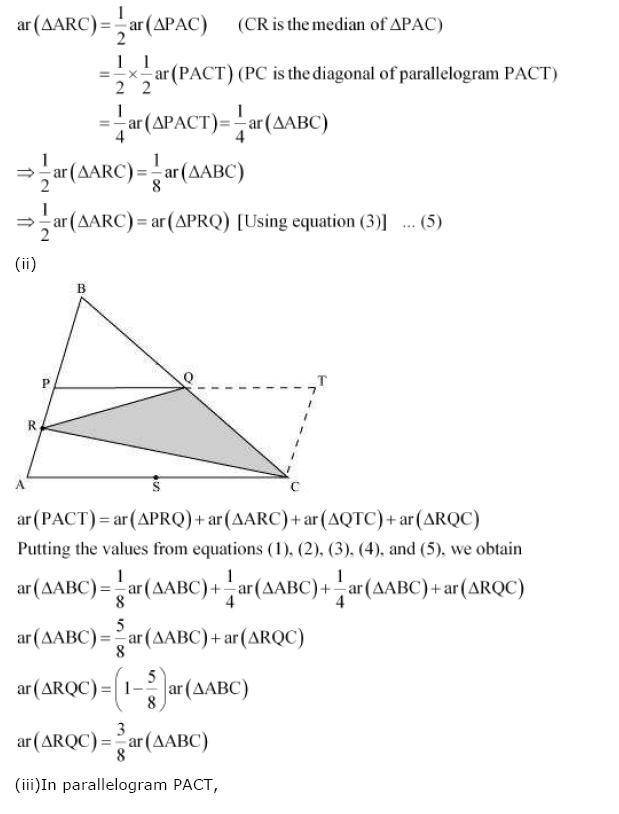
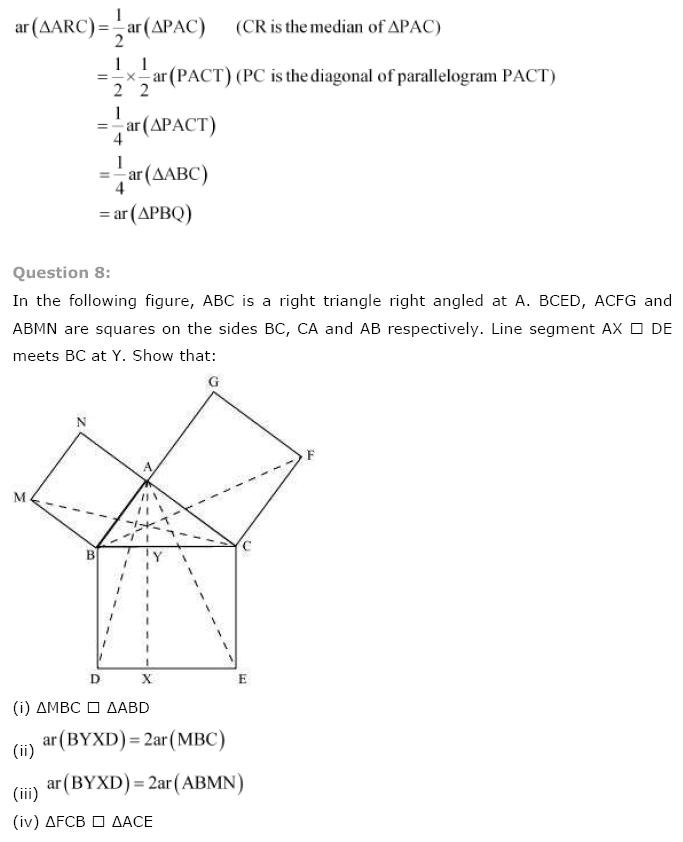
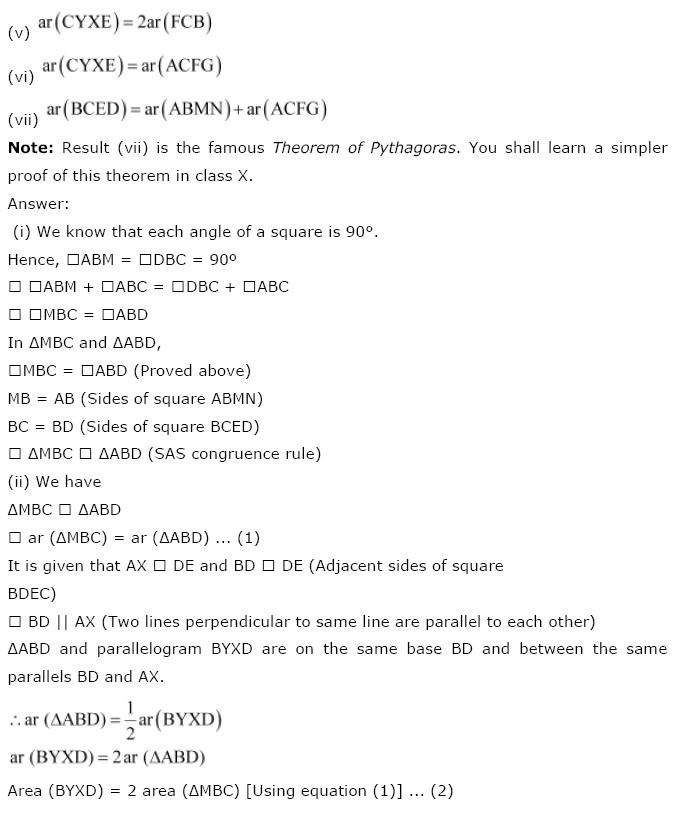
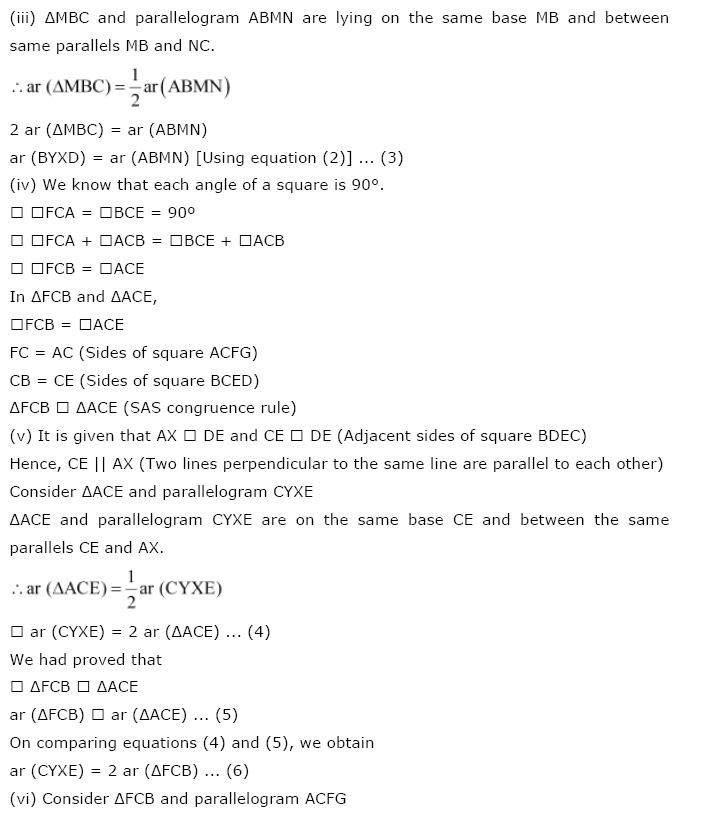
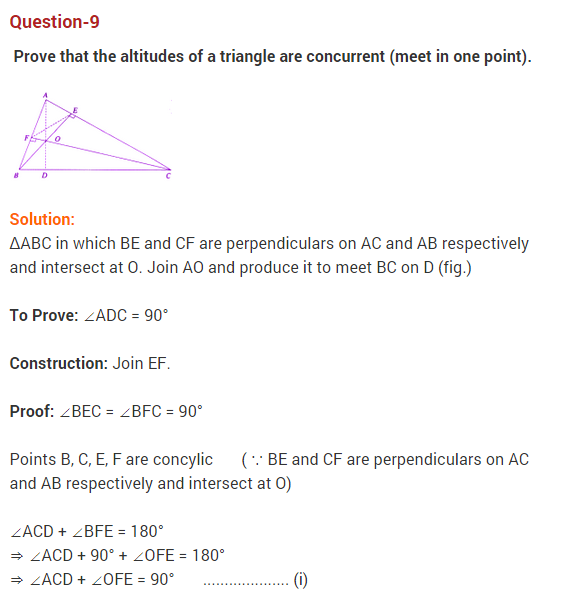
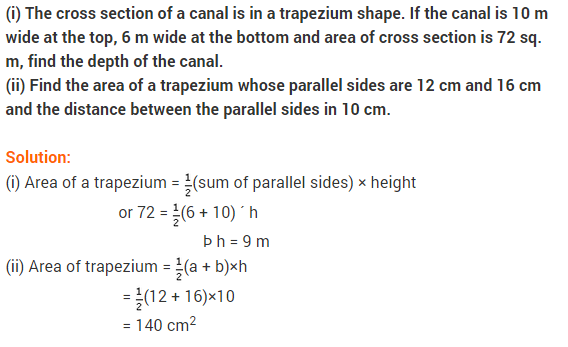
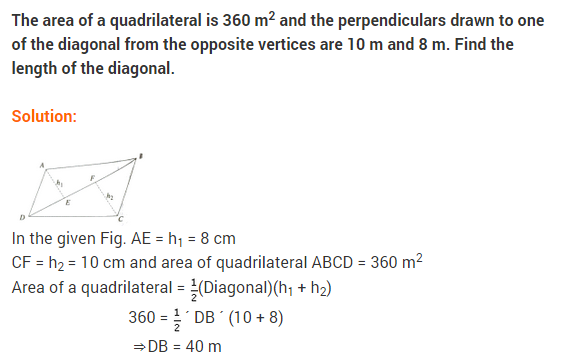
Class 9 Maths Chapter 9 Areas of Parallelograms and Triangles NCERT Solution is given below.